BoredomBusted — Find Your Next Favorite Thing To Do
Discover hobbies, activities, places, and ideas that spark joy. Whether you're looking for something creative, active, social, or relaxing, BoredomBusted helps you find your next favorite thing to do.
Browse our hobby guides, things-to-do collections, and place ideas to never be bored again.
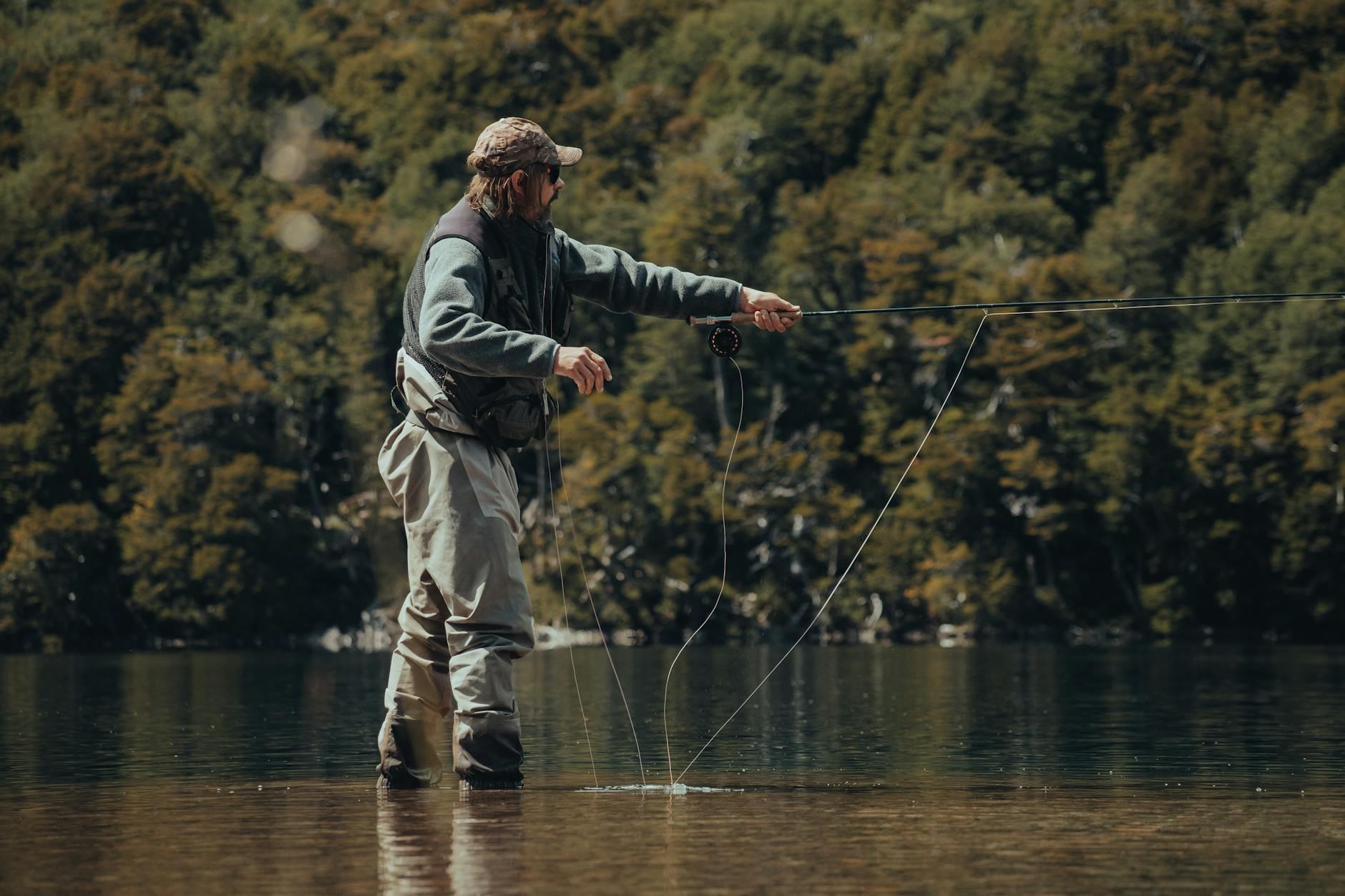
Fly fishing is less about catching fish and more about mastering physics and reading water—real satisfaction comes from executing a perfect cast.
Getting started with fly fishing as a beginner involves understanding the importance of using a weighted line instead of a lure to cast a nearly weightless artificial fly onto the water.
The fly mimics insects or small prey. The cast is what delivers it.
That casting technique sets fly fishing apart from every other form of fishing. Mastering it is more than just a means to an end.
In fly fishing, you cast lightweight artificial flies to mimic insects, read water dynamics, and present the fly to entice fish strikes, which involves assembling gear, tying knots, and executing precise casts while wading through rivers or streams.
Fly fishing induces a flow state through focused casting and adaptive problem-solving, providing immediate feedback from successful presentations and a sense of accomplishment as you navigate the complexities of fish behavior and river conditions.
You picture fly fishing as something retired guys do, standing around in khaki vests.
Maybe you've seen movies like *A River Runs Through It* and think it's peaceful but boring. That belief is keeping you from one of the most technically satisfying hobbies out there.
Fly fishing is really a physics puzzle you solve with your body. The line carries the weight, not the lure, so every fishing instinct needs to be rethought.
A guy named Marcus picked it up at 34 with zero fishing background. Six months in, he found the part that hooked him: not catching fish, but his first perfect line mend. Watching his fly drift exactly as planned was the real win. No fish that day. Didn't matter.
The real challenge and joy come from mastering the environment. Wind, light, and water aren't just scenery – they're active parts of the game.
Learning the mechanics is quick. But what really holds your attention and keeps you coming back takes more time.
Fly fishing looks serene from a distance. A rhythm of smooth casts over a calm river.
Your first time? Less serene. More like battling a misbehaving garden hose.
Landing a cast feels miles away, but beginners get tangled in line almost immediately.
Expect the rod tip to bounce erratically and your cast to land behind rather than ahead. Wind plays its part, ensuring any nearby fish witness your struggles.
But there's hope. Eventually, you'll read the water without overthinking, and the line will unfurl as it should.
In the early sessions, you're overwhelmed. Tangles consume your time. Casting feels less punishing by week two, although misfires still happen.
Week three brings a breakthrough. One perfect cast changes everything, urging you to return.
By week four, it's less about catching fish and more about understanding the water's flow. Humbling? Sure. But quitting often happens right before everything clicks.
Focus on your back cast. Newbies often neglect it. The power of your cast begins here; if this part collapses, so does everything else. Take a moment to observe what's happening behind.
When to start: Early morning
Duration: 1.5 hours
Cost to try: $25
Success criteria: if you finished without catching a fish, do session 2.
Fast-action rods might seem premium, but they demand precise timing. Beginners often struggle with this. Slow or medium-action rods are more forgiving.
Start with a 4–5 weight medium-action rod. This lets you feel the rod load properly before moving to fast-action.
Many instinctively use the wrist as a hinge, making casting harder. This is a common pitfall.
Pin a pen between your rod hand and forearm. This simple trick forces the use of your elbow and retrains your casting faster than open-field practice.
Beginners often cast with urgency, slapping the fly onto the water. This spooks fish.
Stop your forward cast high and let the line gently settle. Your goal is a delicate presentation, not a forceful splash.
Casting towards the middle and waiting, a common pond tactic, doesn't work in rivers. The water's movement demands more thought.
Focus on the seams. These are the edges where fast and slow currents meet, and that's where your fly should land.
Novice anglers often get caught up watching the fly and miss critical adjustments until it's too late.
Mend right after the fly lands. This proactive approach keeps your drift natural and enticing to fish.
Fly fishing thrives near water. Rivers, streams, and spring creeks are prime spots. Lakes and reservoirs also offer excellent opportunities for trout, bass, and pike.
Join a local Trout Unlimited chapter to make connections fast. Over 300 chapters are scattered across the US — find them through their chapter finder at tu.org/chapters.
Smaller, informal groups often meet through Meetup.com by searching "fly fishing club near me." This is particularly useful in urban regions.
Facebook Groups with titles like "[your city/region] fly fishing" tend to be where weekend trips are planned. They offer real-time connection more than official club pages.
Introduce yourself as a beginner when you join. It's the quickest way to get gear advice and maybe a walking buddy to show you the waters.
Wading a river and casting to rising trout is the classic start. Most beginner gear is made for this.
Perfect for newcomers without any prior experience.
Cast from a bank or boat into lakes or ponds, aiming for trout or bass. Expect longer, slower retrieves here.
Ideal for those without river access or who enjoy a slower fishing pace.
Target bonefish, tarpon, or striped bass in coastal flats or open water. Be prepared: the gear is pricier and built to handle tougher conditions.
Great for seasoned freshwater anglers ready for bigger challenges.
Ditch traditional casting. Use a long rod with minimal line to feel every strike directly through the rod tip. This method excels in technical water.
Best for anglers who want to improve quickly by adopting competitive techniques.
Use a floating fly on the surface and watch fish rise to it. It's visually rewarding, but demands precision.
Perfect for those who seek a skill-testing challenge.
Some of the same instincts show up in Surf Fishing — worth a look if this clicked.
Ice Fishing is a sibling pursuit and often surfaces the same kind of curiosity.
Readers who enjoy this often gravitate toward Shore Fishing next.
Many beginners spend time focusing on casting distance. They fail to read the water, casting into empty river.
Reading water is the skill that changes your fishing. You need to spot seams, drop-offs, and current edges where trout hide. Not just any spot – the slow water behind that submerged rock likely holds a fish, facing upstream, waiting for food.
Once you target fish locations, you cast to fish, not empty water. Your technique impacts whether something bites or not.
Without this skill, refined casting just means efficiently reaching barren spots.
Notice what enters, where it slows, where it accelerates – imagine conserving energy, waiting for food.
Give fly fishing four sessions over 30 days. Once a week ensures you're invested enough to start understanding it.
If you're planning your next outing before you've even packed up, that's a strong sign. Get a basic entomology guide and start learning water reading. This is obsession territory.
If you're lukewarm—neither dreading nor dreaming—you might need a change of scenery. Try a different river or bring a seasoned angler along. Give it four more tries with new conditions before deciding it's not for you.
You watched the clock and couldn't wait to leave. That's revealing. Fly fishing requires patience. If it felt more like a sentence than a break, listen to what your gut is telling you.
You're watching casting videos at 11pm, not even trying to learn—just mesmerized. That quiet draw to the aesthetic side is often where the love for fly fishing begins.
Not ready to pick a hobby yet? The boredom busters page has smaller things to try first.
A basic setup costs $150–$300, including a rod, reel, line, and essential flies. As you progress, you may invest more in premium gear, but beginners can learn effectively with budget-friendly equipment. Factor in occasional guided trips ($200–$400/day) if you want professional instruction.
You can learn basic casting in 2–4 hours with proper instruction, but developing practical fishing skills takes 3–6 months of regular practice. True proficiency with different techniques and water conditions comes after a year or more of consistent time on the water.
Mastering the casting technique is the biggest hurdle—it requires timing, rhythm, and muscle memory that feels awkward at first. Many beginners also struggle with reading water conditions and matching flies to what fish are actually eating in that moment.
Yes, fly fishing is year-round in most regions, but timing and target fish vary by season. Spring and fall typically offer the best conditions and most active fish, while summer and winter require more specialized techniques and location choices.
Start on calm, accessible water with lower fishing pressure—smaller streams and ponds are more forgiving than rivers. Wear waders and appropriate gear, bring patience, and consider hiring a guide for your first outing to learn proper technique and local patterns quickly.
Fly fishing uses a weighted line to cast an artificial fly, whereas traditional fishing relies on the rod weight to cast a hook with bait or lure. The technique emphasizes precision casting, reading water, and a deeper connection between angler and environment.