BoredomBusted — Find Your Next Favorite Thing To Do
Discover hobbies, activities, places, and ideas that spark joy. Whether you're looking for something creative, active, social, or relaxing, BoredomBusted helps you find your next favorite thing to do.
Browse our hobby guides, things-to-do collections, and place ideas to never be bored again.
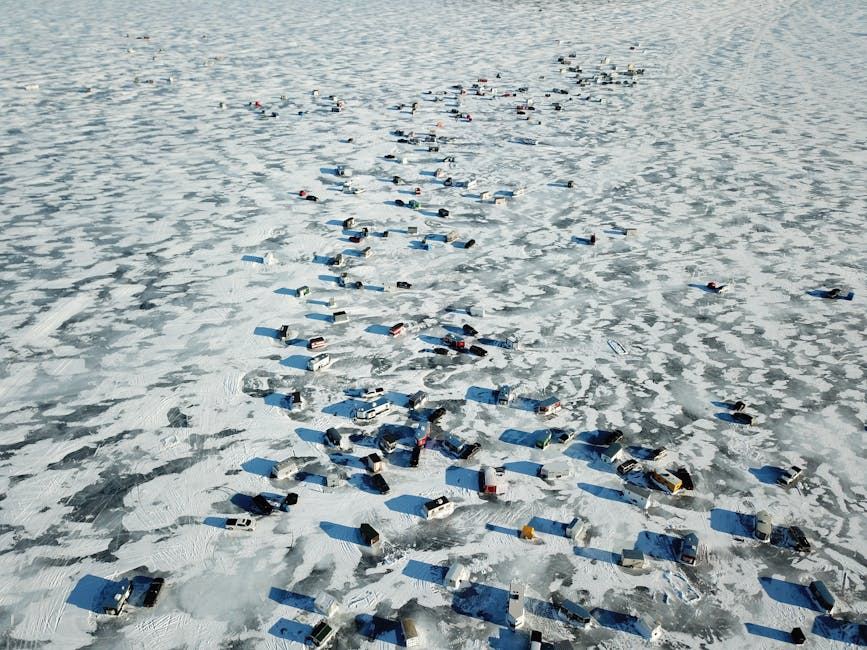
Ice fishing isn't just about waiting — it's an active pursuit where modern electronics let you see and interact with fish in real time.
Getting started with ice fishing as a beginner involves drilling a hole through a frozen lake and dropping a line straight down – that's the whole mechanic.
Unlike open-water fishing, you're stationary, reading a tiny column of water under your feet, often with electronics showing you exactly what's below.
It's less about casting skill and more about location, patience, and knowing how fish behave in winter cold.
In ice fishing, hobbyists drill holes into frozen lakes using augers, lower baited lines or lures through these holes, and actively jig rods or set tip-ups to catch fish, often moving between multiple holes to optimize their chances while managing gear like rods, bait, and a bucket.
Ice fishing alleviates boredom through immediate skill feedback loops from detecting subtle line movements and flag signals, fostering a flow state as practitioners engage in focused, adaptive jigging, while also providing a sense of accomplishment from mastering techniques and sharing experiences in a community setting.
You think ice fishing is sitting on a frozen lake, staring at a hole, waiting for nothing. Picture a guy in a lawn chair with a beer while the line stays motionless for hours.
That's the version people who've never done it imagine—but it's wrong in almost every way.
Ice fishing is about active problem-solving. You're reading the bottom, moving between holes, adjusting to depth, temperature, and time of day.
The gear has genuinely changed. You can now watch a fish approach your bait in real time with tools like flashers and underwater cameras. It's a different game with modern electronics.
Then there's the setting. Early morning on a frozen lake is breathtaking and almost surreal. You're hooked before anything bites.
Marcus got into ice fishing because his neighbor insisted he try it. The first hour was boring until he saw his flasher light up with a walleye rising to his jig.
He moved the bait. The fish followed. He set the hook.
He's been back every January since.
Beginners often overlook the gear and setup. Get this right, or it'll be your last trip—unlike Marcus, who turned a tryout into a yearly ritual.
Ready to catch winter's best-kept secrets? It's time to gear up and get out there.
It starts with a stillness that's hard to describe. Frozen over, no immediate action. Just you and an expanse of white, wondering if you chose the right spot.
Frustration comes early, often in the form of uncooperative gear. Your auger might refuse to bite, or your tip-up might sit there pretending to be set. These moments aren't in the YouTube videos.
The mental load of setup dominates your first outings. Augers, shelters, and rods demand attention. Actual fishing feels secondary at first, like logistics are a separate, competing hobby.
By week three, something shifts. Gear that once seemed like an enemy becomes familiar. With that friction gone, your focus shifts to finding the right depth or deciding on bait cadence.
That breakthrough day comes unexpectedly—a session where everything aligns. Not just about catching fish, but about connections clicking. That's when it starts feeling like a real hobby.
Understanding the rhythm underlies the entire experience. Investing time in learning to alternate between a dead stick and jigging rod often changes the game.
Finding your way through these awkward and fishless moments sets you up for success. Next, we'll dive into the errors that can keep you from getting there.
When to start: Early morning
Duration: 2 hours
Cost to try: $20
Success criteria: if you finished without catching a fish, do session 2.
The ice seems vast and it feels like the fish are hidden. This leads beginners to treat it as a search grid rather than a waiting game. Drill 3–4 holes within a 20-foot spread, drop a flasher or tip-up in each, and wait at least 20 minutes in each spot before writing it off.
Beginners often spool the monofilament included with their rod, usually 8–10 lb test, then wonder why fish aren't biting. Switch to 2–4 lb fluorocarbon for panfish or 6 lb for walleye. Thinner line offers less visibility and a natural drop, transforming your results at depth.
Ripping the rod looks effective on video, but it's meant for specific fish and moods. Match your jig motion to what your flasher tells you. If fish come close but then peel off, slow down to a subtle quiver and hold it.
Beginners often anchor on open flats because the ice looks clean and easy to walk on. Look for areas where hard bottom meets soft bottom, or weeds meet open water. These edges are far more likely to gather fish than any flat area.
Light streaming into an open hole scares fish away in clear, shallow water. Kick snow over the hole edges or use a small foam disc to block the glare between drops.
Ice fishing thrives on frozen lakes, reservoirs, and rivers with solid winter ice.
State parks with winter access are good location-specific starting points.
Join IceShanty.com for state-specific insights. Since the early 2000s, dedicated ice anglers gather there for regional boards organized by state and province.
Explore your state's Fish & Wildlife agency website for fishing clubs or angler groups entries available. Most states list contact info for easy reach.
The American Ice Fishing League (AIFL) connects you to regional clubs, especially useful if you're keen on tournament fishing.
Confess you're a newbie to any group on the ice. Experienced anglers love guiding rookies. You might end up using their tools and sipping their hot chocolate by the day's end.
Instead of holding a rod, you set mechanical traps over multiple holes — a flag pops up when something bites. Cover more water and take a break without missing a fish. Best for beginners who want more action without constant attention.
Tip-ups run $10–$30 each. Most states allow several at once, so check your local limit before buying many.
This is the "active" version — you work a small lure up and down through one hole. You're reading your rod for subtle bites. It requires more patience and technique, but you're in the game the whole time if you love the art of fishing itself.
Organized competitions on frozen lakes involve timed rounds and weigh-ins. The format forces you to drill fast, move often, and read the lake under pressure. Ideal for experienced ice anglers who crave more than solo days and want competition.
Gear costs jump significantly — electronics, power augers, and speed become important.
Fishing from an insulated hut with a propane heater, TV, and a fold-out chair removes the cold-weather misery. Perfect for anyone bringing kids or skeptical partners who might otherwise last only 20 minutes.
Renting a shanty from an outfitter is the cheapest first step.
Cut a large hole, darken the shelter, and wait for fish to pass. Then throw a multi-tined spear. It's legal in select states for species like pike or sucker fish. This is for experienced anglers seeking a unique challenge — not for beginners, and not legal everywhere. Verify local laws before trying.
For something adjacent, see Freshwater Fishing.
If the texture of this appeals to you, Carp Fishing is built on similar bones.
A close neighbor worth considering: Trout Fishing.
A close neighbor worth considering: Trout Fishing.
A close neighbor worth considering: Tent Camping.
Most beginners focus on gear—better augers, fancier tip-ups, warmer boots. The fish don't care if you can't read the bottom. Knowing the lake floor's layout is crucial. Many just drop their line, reel up, and wonder why nothing bites.
Real progress means knowing if you're above a drop, shelf, or weed edge. Adjust in 6-inch increments to find active fish. This awareness turns every drilled hole into a deliberate test, not blind guesswork.
Sit above dead water for hours and you'll blame the cold or your bait. In reality, the fish are just 15 feet away and 3 feet shallower.
Use a lake map from Navionics or a free state site before heading out. Target depth transitions instead of the crowded spots. Drill three holes across a contour change, lower a weighted hook to sense the bottom, and make notes. This builds a mental map as you check your sonar for depth shifts.
Plan for four sessions across a month. That's enough time to experience different conditions—clear skies, cloudy days, maybe a variety of catches.
If you're plotting the next trip before the ice has even melted, it's a sign you're hooked. You're already dreaming of new lakes and gear. Start building a small kit and check out local ice fishing groups. You've discovered a hobby.
Went, found it okay, but you're not eager? This shows the solo or passive side didn't catch you yet. Go again, but with someone passionate about it. That might ignite your interest.
If the boredom persists, consider a hobby with more movement or social aspects. Watching the clock means it's not for you. Embrace that conclusion.
Find yourself glued to ice fishing videos at 2am? The fascination is more about the isolation and ritual than catching anything. Trust that pull.
Catch times vary widely depending on weather, location, and fish species—expect to wait anywhere from 15 minutes to several hours for a bite. Peak activity typically occurs during early morning and late afternoon, so planning your session around these windows increases your odds of success.
Essential gear includes an ice auger (hand-crank or powered drill), ice fishing rod, tackle, a bucket, ice chisel, and proper winter clothing rated for extreme cold. Most beginners can start with basic equipment costing $100–$300; you can upgrade as you develop the skill.
A minimum of 4 inches of clear ice is required for walking safely; 5–7 inches is ideal for most activities, and 8+ inches supports snowmobiles and heavy equipment. Always check local conditions and ice reports before heading out, as thickness varies by location and weather.
Ice fishing has a gentle learning curve—the basic technique of dropping a line and waiting is simple, but success requires patience and understanding fish behavior in cold water. Most beginners catch fish on their first or second outing, though consistency improves with practice and local knowledge.
Fish remain active in extreme cold, but temperatures below –20°F become dangerous for humans without expert preparation and specialized gear. Most recreational ice fishing happens between –10°F and 20°F, where conditions are manageable with proper winter clothing and shelter.
Peak ice fishing occurs from mid-December through February when ice is thickest and most stable, though the season varies by region. Early and late season ice fishing can be productive but carries higher risks—always verify local ice safety conditions before fishing.