BoredomBusted — Find Your Next Favorite Thing To Do
Discover hobbies, activities, places, and ideas that spark joy. Whether you're looking for something creative, active, social, or relaxing, BoredomBusted helps you find your next favorite thing to do.
Browse our hobby guides, things-to-do collections, and place ideas to never be bored again.
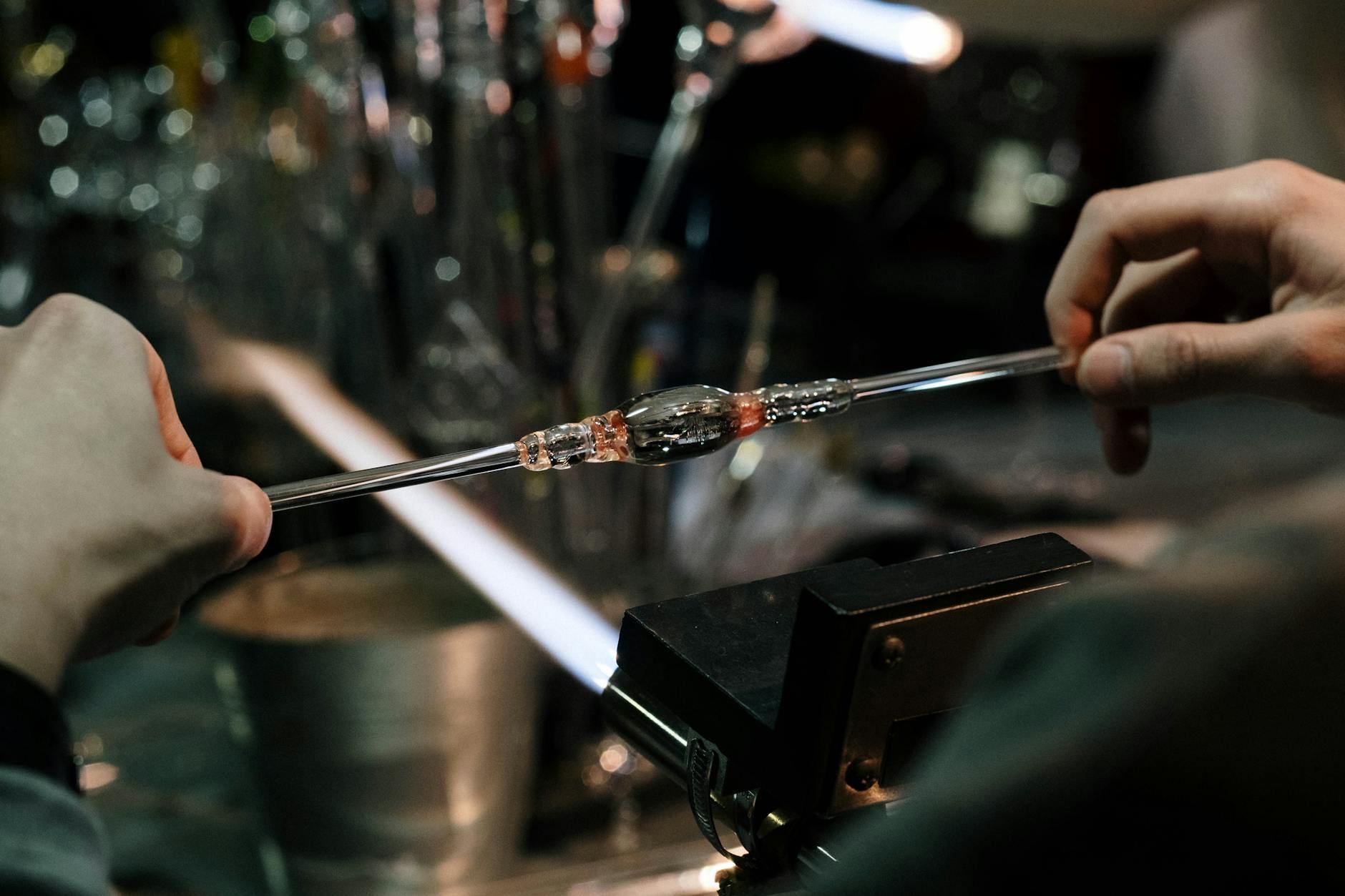
Ceramics and glassblowing workshops offer a hands-on experience in crafting beautiful, functional art pieces. Perfect for anyone interested in creativity and craftsmanship.
Ceramics and glassblowing workshops put you directly in the maker's seat. You're not watching a demonstration — you're at the potter's wheel or holding a blowpipe with molten glass on the end of it.
Skilled artisans guide you through the process from start to finish. Clay work teaches patience — the wheel has its own physics and your first bowl will probably prove it. Glassblowing moves faster, with the heat and the material demanding your full attention every second.
Both crafts have roots that go back thousands of years. What makes a workshop worthwhile is that you leave with something you actually made with your hands — not a kit, not a kit-adjacent experience, but real material shaped by you.
Ceramics and glassblowing sessions move fast and fill up faster. A little prep before you show up makes the difference between fumbling and actually making something.
This workshop has a surprisingly wide pull — here's who tends to get the most out of it.
Watching molten glass take shape under a blowpipe is one thing. Doing it yourself is another. Glassblowing as a regular hobby rewards people who want a physical, full-body creative practice — and a workshop like this is exactly where that obsession tends to start.
Pottery pulls a different crowd — people drawn to slow, tactile work where the clay pushes back. Both hobbies have tight local communities built around shared studio time, and a single session here often points people toward the next class they actually want to take.
You can't zone out when your hands are covered in clay or you're holding a 2,000°F gather of molten glass. The material demands your full attention — which is exactly what makes it work as a boredom fix.
Screens numb you. This does the opposite. You walk in with no particular plan and walk out having made something physical that didn't exist two hours ago. That gap — between nothing and something — is what most boredom cures skip entirely.
The variety helps too. Ceramics and glassblowing aren't the same experience — one is slow and tactile, the other is fast and collaborative. Most workshops let you try both, so there's no pressure to commit to a single thing before you know what you like.
For your first visit to a ceramics and glassblowing workshop, expect to be both an observer and a creator. The session typically begins with a professional showing you the ropes, demonstrating techniques like how to center clay on a pottery wheel or how to safely handle molten glass tubes.
Start by watching closely and taking mental notes of the key actions—these will be crucial when it's your turn to practice. Don’t hesitate to ask questions, as instructors are usually more than happy to elaborate or repeat a step if you didn’t catch it the first time.
When it’s your turn, focus on being patient. Working with clay or glass can be slow-going at first, but the more time you spend, the more intuitive it becomes. Remember that your first piece doesn't have to be perfect; the learning experience itself is valuable.
After the hands-on session, workshops may offer a cooling or firing process where your creations are hardened and finished; sometimes, you’ll need to come back to collect them after a few days. This adds a wonderful anticipation to receiving the final piece of work.
Lastly, explore other creations in the workshop for inspiration and future projects. Seeing what more advanced artists can do might ignite new ideas and guide your journey as a budding artisan.
Best time to visit: Afternoon
Participants often leave feeling creatively fulfilled and eager to return.
Some newcomers find the initial learning curve a bit steep.
Wear comfortable, breathable clothing that you don't mind getting dirty. Closed-toe shoes are also recommended for safety.
Usually, all necessary materials are provided as part of the workshop fee, but it's a good idea to check ahead of time.
Depending on the workshop, there might be a waiting period for pieces that require firing or cooling.
Some workshops may have age restrictions for safety reasons, particularly for glassblowing, so it's best to confirm beforehand.
Yes — a Ceramics & Glassblowing Workshop is one of the best options when boredom strikes. It gets you out of the house, offers plenty to do, and is accessible for most budgets. Whether you're solo, with a partner, or bringing the whole group, there's something to engage with.
When you're bored at a Ceramics & Glassblowing Workshop, the key is to try something you haven't done before. Explore the less-crowded areas, challenge a friend, or use the visit to disconnect from screens and engage with your surroundings. Check the activities section above for specific ideas.