BoredomBusted — Find Your Next Favorite Thing To Do
Discover hobbies, activities, places, and ideas that spark joy. Whether you're looking for something creative, active, social, or relaxing, BoredomBusted helps you find your next favorite thing to do.
Browse our hobby guides, things-to-do collections, and place ideas to never be bored again.
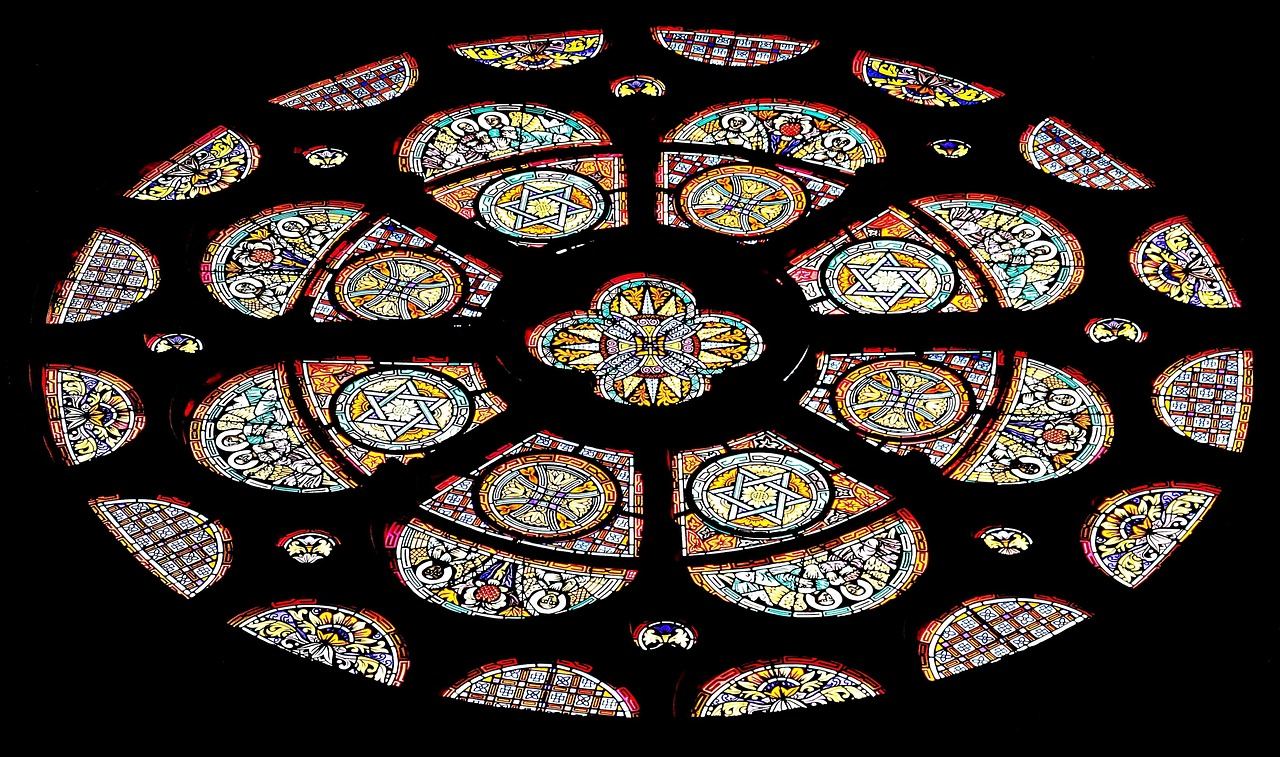
Glass arts isn't a gentle craft; it's a battle with molten material that shatters unexpectedly, making failures the core of your artistry.
Getting started with glass arts as a beginner involves heating glass until it's glowing and soft. Shape it with tools, breath, and gravity—pulling, bending, and fusing it into captivating forms.
Work with molten material over 2000 degrees. Control fire and timing to create permanent vessels, sculptures, and decorative pieces.
Lampworking, blown glass, and fusing are the three paths. Each needs different tools but shares the need for patience as cooling can take days.
In glass arts, hobbyists engage in hands-on creation by cutting, shaping, and assembling glass pieces into art forms such as stained glass panels, fused glass sculptures, or mosaic designs. This involves using specialized tools to score and snap glass sheets, arrange them into intricate patterns on a lightbox, and employ kilns for precise firing, requiring careful monitoring of temperature and ti…
Glass arts induce a flow state through its precise, multi-step processes that demand sustained focus and skill, allowing for deep immersion in the task. The immediate feedback from successful cuts and joins builds confidence and satisfaction, while the creative freedom in material selection fulfills a desire for self-expression. Completing a project leads to a strong sense of accomplishment, rein…
You might think glass arts is a delicate, meditative craft. It's not. It's violent, demanding, and fundamentally uncontrollable.
You're fighting 2000-degree material. It cools and hardens within seconds. Explosive movement and split-second decisions are your only options.
Glass breaks, cracks, and shatters constantly. Failures aren't setbacks—they're the essence of the craft. Every piece is a testament to overcoming chaos and unpredictability.
As you walk into the studio, the heat surprises you. The constant 2000-degree furnace makes you sweat right through your shirt. You take hold of a long metal pipe with a glob of molten glass. It feels heavier and more sluggish than expected, and within minutes, your arms tire from the constant rotation needed.
Your first shape won't cooperate. The glass sticks to itself in odd ways, collapsing into something unrecognizable. Frustration hits as you see the person next to you create something actually round.
But then you plunge your piece into water, hearing that sharp crackling hiss. This moment offers clarity: you've made something that didn't exist before. It's permanent and strange and entirely yours, and that's why people keep coming back.
When to start: Morning
Duration: 1.5 hours
Cost to try: $20
Success criteria: If you finished without cutting yourself, do session 2.
Here are five of the most common beginner mistakes in glass arts, with a one‑sentence fix for each: 1. Choosing the wrong type or thickness of glass Use glass that matches your project's design and technique (e.g., appropriate COE for fusing or suitable thickness for stained‑glass panels). 2. Scoring or cutting glass with inconsistent or incorrect pressure Score with light, even pressure and support the glass fully so breaks follow the line cleanly. 3. Skipping proper cleaning and surface prep before soldering or fusing Always clean glass thoroughly and prep kiln shelves or molds so solder adheres well and glass doesn't stick or crack. 4. Rushing heat‑up or cool‑down cycles in kiln work Follow a slow, tested firing and annealing schedule so glass doesn't crack or bubble from thermal shock. 5. Working on overly complex first projects Start with simple, small designs so you can master cutting, fitting, and finishing before tackling intricate patterns.
Corning 2026 Conference (June 3-6, Corning, NY) is packed with 1,600 glass enthusiasts. It's a sell-out event. Glass Coast Weekend (February 12-15, 2026) offers access to the Glass Art Fair, perfect for collectors. March brings the NM Glass Arts Festival in Albuquerque as part of Artscrawl First Friday. Each event is buzzing with energy and opportunities to network.
Pilchuck Glass School in Washington and Museum of Glass in Tacoma host workshops, residencies, and education programs year-round. These are excellent for hands-on learning.
Foci Minnesota Center for Glass Arts organizes open houses and demonstrations—a perfect entry point for new enthusiasts.
Getting involved is easier when you ask the right questions. Start with something like this:
Look for r/glassblowing on Reddit. This subreddit is where glass artists swap tips and show off work. Discord servers and special forums are worth checking, but you'll need to search these directly.
Molten glass gathered on a blowpipe is inflated into a bubble, then shaped with tools and gravity. This process creates vases, sculptures, and intricate vessels. Expect a challenge — this is Intermediate to Advanced, needing high heat, coordination, and studio space.
Cutting and assembling colored glass pieces into panels. That's stained glass, often for windows and decorative panels. Start small if you're a beginner. More complex designs need precision and patience at a Beginner to Intermediate level.
Layering and heating sheets or fragments of glass in a kiln until they fuse into one. Ideal for plates, wall art, and jewelry. Beginners can try this safely, but understanding kiln operations and controlling temperatures is key at a Beginner to Intermediate level.
Pouring molten glass into molds to cool and solidify forms solid sculptures, bowls, and architectural elements. Often combined with other techniques. Best for experts given the high temperatures and complex mold processes involved at an Advanced level.
Using a torch to heat glass rods or tubes, which you shape by hand or with simple tools. Great for beads, small sculptures, and scientific glassware. Control is everything here, demanding steady hands, eye protection, and precise flame control at an Intermediate level.
If this resonates, Architectural Drawing explores a similar direction.
If you want a related angle, Paper Engineering is the natural next stop.
Flower Pressing is a sibling pursuit and often surfaces the same kind of curiosity.
Master reading glass temperature by its color and behavior, not by instruments.
Recognizing the moment when molten glass shifts from a glowing cherry-red to a honey-like fluidity changes everything. You can adapt instantly, control forms intuitively, and solve problems mid-creation instead of starting over.
Every other technique fails if your glass is the wrong temperature. Instruments might lie, but your eyes never will.
Five sessions over 30 days. Aim for one or two evenings per week so you can reflect and adjust between them.
If each session leaves you eager to push buttons and adjust settings with precision, you're onto something. Start considering dedicated space for more serious equipment and track your progress thoroughly.
If sessions felt fine but didn't pull you back in, this is normal too. Experiment with one different technique—like a new temperature adjustment—to breathe new life into it before stepping away.
If the sessions left you frustrated with equipment demands, this isn't a flaw. Many enjoy the idea but find the reality too particular. That's valid.
The one sign you shouldn't ignore: a sudden urge to research specialized gear at odd hours.
If glass arts doesn't feel like the right fit, our hobbies list has plenty of other directions to try.
For ideas that take five minutes instead of five weeks, see things to do when you're bored.
To begin glass arts, you'll need basic tools like a glass cutter, grinding machine, soldering iron (for stained glass), and safety equipment including gloves and eye protection. For kiln-based work, access to a kiln is essential, though many beginners start at community studios or workshops that provide equipment. Starting supplies typically cost $100–300, depending on your chosen glass art technique.
Basic techniques can be learned in 4–8 weeks with regular practice, but developing intermediate skill usually takes 3–6 months. Mastery of advanced glazing and specialized techniques requires years of consistent practice and experimentation. Most beginners see encouraging results within their first few projects.
The most popular types include stained glass (cutting and soldering colored glass), glass blowing (heating and shaping molten glass), glass fusing (melting glass pieces together in a kiln), and glass painting. Each requires different tools and techniques, so beginners typically choose one to start with and expand from there.
Glass arts involve some hazards like sharp edges, heat, and fumes, but these risks are easily managed with proper safety equipment and technique. Always wear cut-resistant gloves, eye protection, and work in well-ventilated spaces, especially with kilns or torches. Taking a beginner class teaches you safe practices from the start.
Initial setup ranges from $150–500 for basic hand-tools like cutting and grinding equipment, while access to a kiln or studio can cost $20–50 per session. Ongoing material costs (glass sheets, glazes, fuel) typically run $10–30 per project for small pieces. Community workshops often offer affordable access to shared equipment.
Hand-based techniques like stained glass, glass painting, and cold-working require minimal space and can be done at home with basic ventilation. However, glass blowing and kiln firing typically require professional studio access due to space, safety, and electrical requirements. Many hobbyists use both home and community studio setups.