BoredomBusted — Find Your Next Favorite Thing To Do
Discover hobbies, activities, places, and ideas that spark joy. Whether you're looking for something creative, active, social, or relaxing, BoredomBusted helps you find your next favorite thing to do.
Browse our hobby guides, things-to-do collections, and place ideas to never be bored again.
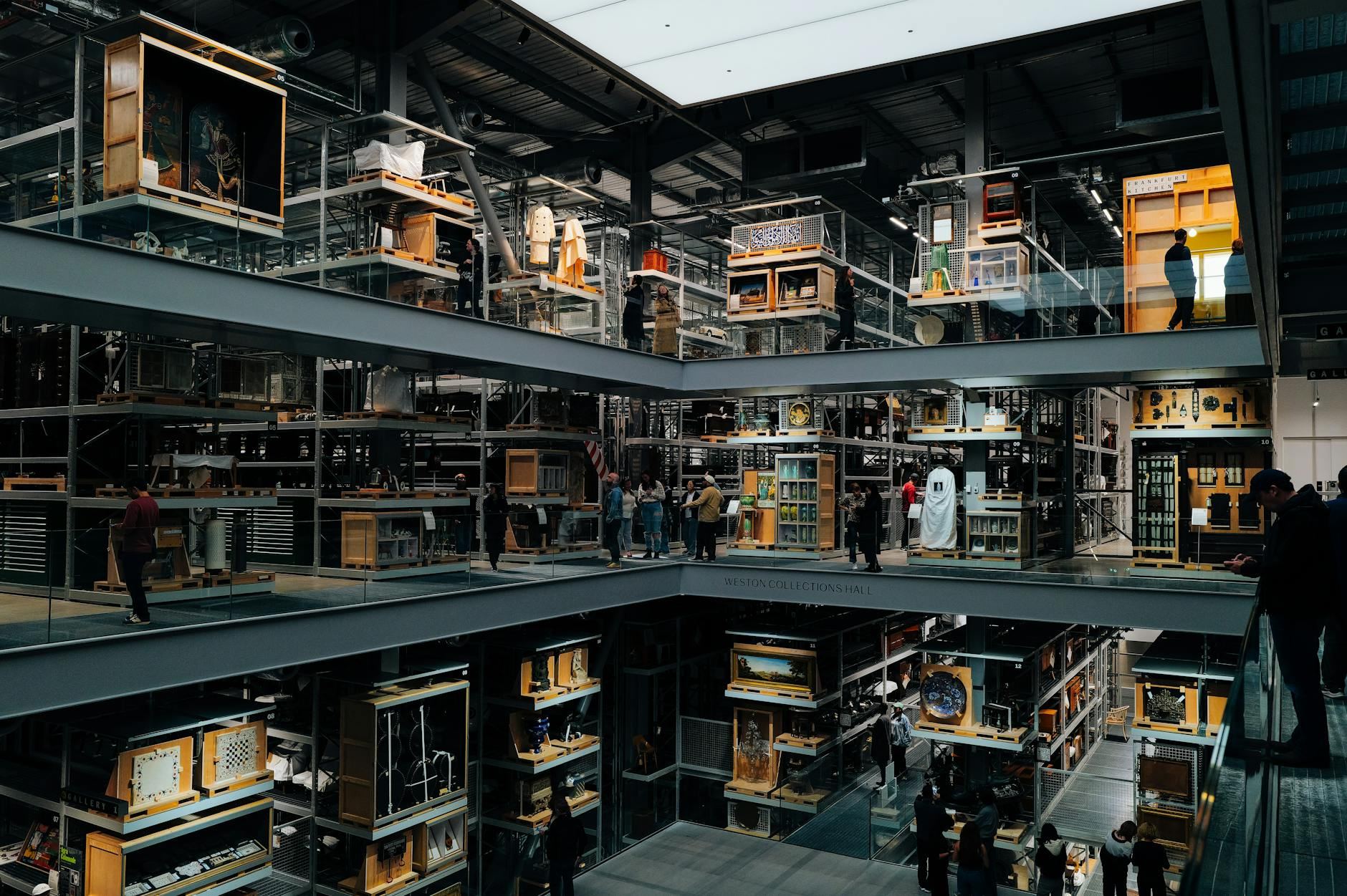
Museums are cultural institutions that offer enriching experiences through exhibitions, art galleries, and interactive displays, catering to all ages and interests.
Museums pack centuries of human history, science, and art into a single afternoon. The best ones don't just display objects — they make you rethink what you thought you already knew.
You'll find everything from ancient artifacts to space exploration hardware to modern painting. Many museums also run interactive exhibits, guided tours, and hands-on workshops. That means there's usually something worth doing beyond just walking past glass cases.
Museums cover history, art, science, technology, and culture — often all under one roof. No matter what you're curious about, there's almost certainly a museum built around it.
Museums reward the prepared visitor. A little planning upfront means more time with the exhibits and less time waiting in lines.
Museums work for a surprisingly wide range of people — here's who gets the most out of them.
A museum visit rarely stays in the museum. Standing in front of an actual artifact or original canvas does something a textbook never can. For people drawn to art collecting, seeing how curators frame and contextualize works gives you a real eye for what makes a piece worth owning.
History and science exhibits hit differently if you already dabble in genealogy or amateur archaeology. The material culture on display — tools, documents, specimens — shows you exactly what you're chasing when you dig into your own research. That's a hard spark to get anywhere else.
Museums work because you don't need a plan. Wander in with zero agenda and something will still catch you. That low-stakes discovery is the thing scrolling promises but never delivers.
The variety is the whole point. One room can shift your mood completely — a different era, a different scale, a different world. You're not just killing time. You leave with something in your head that wasn't there before.
Getting out of your usual environment matters more than people admit. A change of scenery resets your focus in a way a couch never will.
Welcome to your first visit to a museum! You’re stepping into a world filled with history, creativity, and inspiration, and it’s completely normal to feel a mix of excitement and maybe a little anxiety. Don’t worry; we’ve got your back!
First things first: when you arrive, take a deep breath and embrace the experience. Museums often have friendly staff ready to answer any questions you might have. If you’re unsure where to start, head to the information desk—you can grab a map or ask about any special exhibits that might catch your interest.
To ease those first-visit jitters, remember that there’s no pressure to see everything in one go! Pick a few exhibits that spark your curiosity and take your time exploring them. Feel free to wander; many museums are designed to be enjoyed at your own pace.
Don’t forget to check for interactive displays or family-friendly activities if you’re visiting with kids—they often have hands-on sections that make learning fun and engaging for all ages.
As you stroll through the galleries, set expectations for a relaxed experience. Sometimes, you might come across a piece of art or a historical artifact that really resonates with you—spend a moment soaking it all in.
Most importantly, enjoy yourself! Museums are all about discovery and connection, so take your time, explore, and let your curiosity guide you. Have fun and welcome to a world of wonder!
Best time to visit: Weekday mornings
Typical crowd level: moderate
Visitors often leave inspired and enlightened, with a deeper appreciation for culture and knowledge.
Most museum visits last 2–3 hours, though this varies based on the museum's size, your interests, and which exhibits you explore. A smaller specialized museum might take 1–2 hours, while major art museums can easily take 4+ hours if you want a thorough experience.
Admission fees range from free to $25+ per person depending on the institution and location. Many museums offer free or discounted hours on specific days or times, and some larger cities have free museums. Check individual museum websites for current pricing and any discounts for children, students, or seniors.
Expect a self-paced experience where you can view exhibitions at your own speed, with posted information about artifacts or artwork. Most museums provide maps, audio guides, or mobile apps, and many offer guided tours for more in-depth learning about specific collections.
Yes, most museums are family-friendly with exhibits designed for different ages, including interactive displays, hands-on activities, and children's galleries. Some museums offer family programs, workshops, or dedicated kids' areas to keep younger visitors engaged.
It depends on the museum and how busy it is. Popular museums, especially during peak hours or special exhibitions, may require advance booking to manage crowds and ensure entry. Smaller or less-crowded museums typically allow walk-in visits, but checking ahead is always a good idea.
Photography policies vary by museum—some allow personal photography without flash, while others prohibit it entirely or only in certain areas. Always check signage in each gallery or ask staff before photographing, as some exhibits have restrictions to protect the artwork or respect artist rights.
Yes — a Museum is one of the best options when boredom strikes. It gets you out of the house, offers plenty to do, and is moderate in cost. Whether you're solo, with a partner, or bringing the whole group, there's something to engage with.
When you're bored at a Museum, the key is to try something you haven't done before. Explore the less-crowded areas, challenge a friend, or use the visit to disconnect from screens and engage with your surroundings. Check the activities section above for specific ideas.