BoredomBusted — Find Your Next Favorite Thing To Do
Discover hobbies, activities, places, and ideas that spark joy. Whether you're looking for something creative, active, social, or relaxing, BoredomBusted helps you find your next favorite thing to do.
Browse our hobby guides, things-to-do collections, and place ideas to never be bored again.
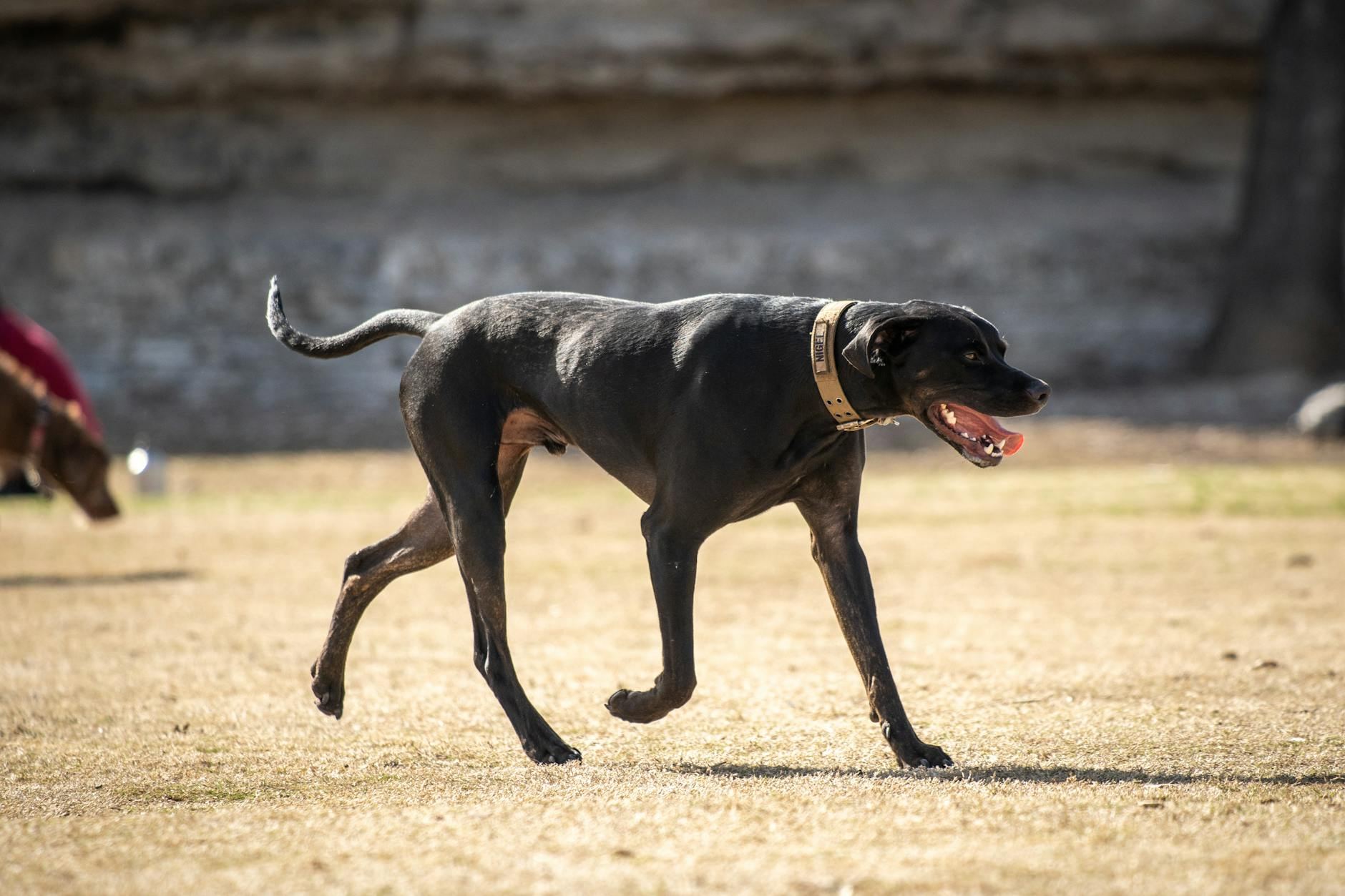
Discovering a local dog park is a treat for both you and your furry friend. These off-leash areas offer a fantastic space for dogs to run and socialize safely.
A dog park is a fenced outdoor space where dogs run off-leash, play, and socialize. No leash means no limits — your dog gets to actually be a dog for an hour instead of heel-walking past squirrels.
Most parks include benches, walking paths, water stations, and agility equipment. Many split into separate zones for large and small breeds. That size separation matters — a 90-pound Lab plays very differently than a Chihuahua.
It's not just the dogs who benefit. Regulars talk, trade tips, and genuinely look out for each other's pets. Dog parks have a way of becoming a weekly habit you didn't plan on — for you as much as your dog.
Dog parks are only as good as the visit you plan. A few small habits make the difference between a smooth outing and a stressful one.
A dog park works differently depending on what you and your dog actually need.
Dog parks are where a lot of people quietly catch the training bug. Watching a dog nail a recall or work through a heel pattern makes you want to try it yourself. Dog training and agility work hit differently when you've seen what's possible up close — your own dog included.
For photographers, a dog park is basically a free studio with unpredictable subjects and perfect chaos. Fast movement, genuine emotion, zero posing. Shooting dogs mid-play is one of the best ways to build skills in burst mode, tracking focus, and reading a scene before it happens.
For Your Dog
For You
Optional Add-Ons
No reservation. No ticket. No plan. A dog park is one of the few places you can walk in on a whim and leave genuinely entertained.
The draw isn't just the dogs — it's the chaos, the comedy, and the unpredictability. Every visit plays out differently depending on who shows up.
It costs nothing and demands nothing from you. That zero-barrier entry is exactly what makes it such a reliable fix when you need out of the house fast.
Welcome to your local dog park! We’re so glad you’re here to explore this wonderful space designed for pups and their humans. If it’s your first visit, you might be feeling a mix of excitement and a hint of anxiety—totally normal! Let’s walk through what to expect and how to make the most of your experience.
First things first, take a deep breath. Dog parks can be bustling with energy, but they’re also filled with friendly faces, both furry and human. Before you enter, let your dog take a sniff around the perimeter. This will help them feel more comfortable. If your pup is a bit shy, that’s okay! You can ease them in by finding a quieter time to visit, like early morning or late afternoon.
Once inside, keep your dog on a leash until you’re sure they’re ready to mingle. Most parks have separate areas for small and large dogs, so you can choose the right space for your furry friend. Don’t be afraid to ask other dog owners for tips or to chat—everyone’s here for the same reason: to enjoy time with their pups!
Expect your dog to run, play, and maybe even get a little muddy! Bring some water for hydration and a few toys if your dog likes to play fetch. And remember, it’s perfectly fine to step back and observe how your dog interacts with others.
Above all, have fun! The dog park is all about making new friends and creating joyful moments. Enjoy watching your pup explore!
Best time to visit: Weekday mornings
Typical crowd level: varies
Visitors love the vibrant social environment these parks offer for both dogs and owners.
Bring plenty of fresh water, waste bags for cleanup, and any toys your dog enjoys. It's also smart to have treats on hand for positive reinforcement and to recall your dog if needed. Sunscreen and a hat for yourself are helpful on sunny days.
Yes, dog parks are specifically designed for off-leash play in a controlled, enclosed environment. However, safety depends on proper supervision, ensuring your dog is socialized, and following the park's rules. Always watch your dog and be prepared to intervene if play becomes too rough.
Most dog parks require dogs to be at least 4 months old and fully vaccinated. Many parks also have separate areas for small dogs and puppies, which can be safer for younger or smaller pups still developing their social skills.
Your dog should be up-to-date on rabies and DHPP (distemper, hepatitis, parvovirus, and parainfluenza) vaccines before visiting. Many parks require proof of vaccination, so check with your local park beforehand and keep records handy.
Most dogs get a good workout and socialization in 30–60 minutes, though this varies by age and energy level. Puppies and senior dogs may tire faster, while high-energy breeds might want longer play sessions. Watch your dog for signs of exhaustion or overstimulation.
Common rules include keeping dogs current on vaccinations, removing waste immediately, no aggressive dogs, and supervising your dog at all times. Some parks prohibit certain toys or treats, and many have restricted hours for small dog areas. Always check the specific rules posted at your local park.
Yes — a Dog Park is one of the best options when boredom strikes. It gets you out of the house, offers plenty to do, and is budget-friendly (typically under $50). Whether you're solo, with a partner, or bringing the whole group, there's something to engage with.
When you're bored at a Dog Park, the key is to try something you haven't done before. Explore the less-crowded areas, challenge a friend, or use the visit to disconnect from screens and engage with your surroundings. Check the activities section above for specific ideas.