BoredomBusted — Find Your Next Favorite Thing To Do
Discover hobbies, activities, places, and ideas that spark joy. Whether you're looking for something creative, active, social, or relaxing, BoredomBusted helps you find your next favorite thing to do.
Browse our hobby guides, things-to-do collections, and place ideas to never be bored again.
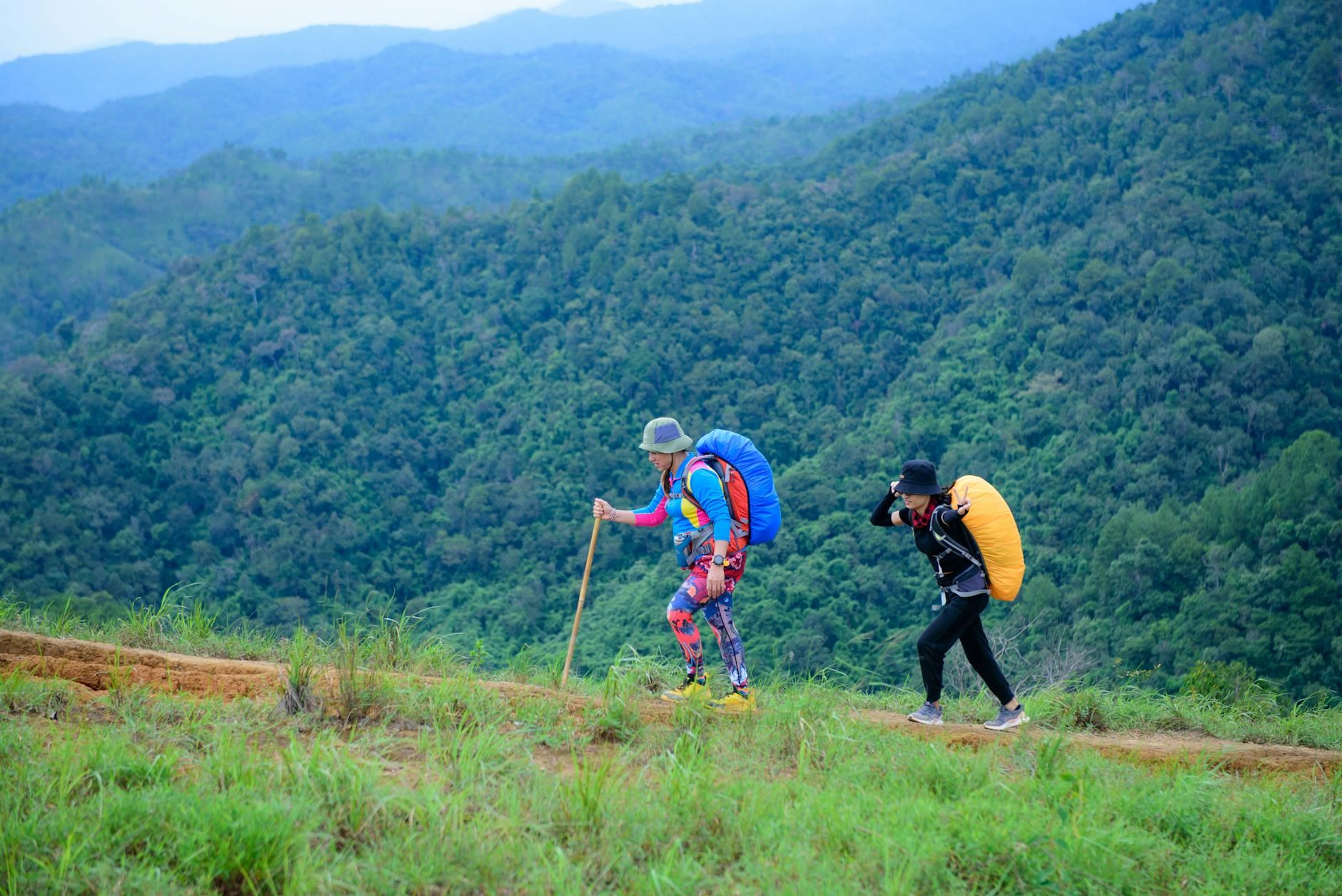
Hiking is often thought of as an extreme sport, but there's a trail for all fitness levels — and it's just as much about connection as scenery.
Learning hiking as a beginner is a fantastic way to connect with nature while enjoying physical activity.
Explore trails and paths, finding hidden beauty in every corner.
Conquer varying terrains, and reach awe-inspiring viewpoints.
Hiking involves walking long distances on planned trails through various natural terrains, such as mountains and forests, often navigating obstacles like rocks and elevation changes while carrying a backpack. This activity engages leg and core muscles through repeated stepping and balancing, requiring hikers to monitor their pace and surroundings over half or full-day excursions.
Hiking counters boredom through novelty, as each trail presents unique challenges that require adaptation, preventing monotony. It fosters a flow state by providing immediate feedback on movement and balance, pairing skill with environmental challenges, while offering a sense of accomplishment from physical achievements like summiting a peak and enhancing social belonging through shared experienc…
You might believe that hiking is only for the extremely fit or adventurous.
Hiking welcomes everyone with trails that cater to all fitness levels.
From gentle nature walks to challenging mountain climbs,there's a trail for you, no matter your ability.
Hiking offers flexibility in experience — it can be social or solitary, depending on your preference.
Your first hike feels deceptively simple at the start. The trail is flat, the air is cool, and you're moving at a comfortable pace. Then the elevation kicks in. Your calves start to burn, your breathing gets louder, and what looked like a gentle incline on the map feels completely different under your feet. The ground shifts — roots, loose gravel, uneven rock — and suddenly you're using muscles you didn't plan on using.
The part most beginners don't see coming is the mental load. You're constantly scanning — where to place your foot, how far to the next marker, whether your water will last. Hiking demands more focus than a treadmill ever will, and that's actually what makes it absorbing. But in the first couple of sessions, that cognitive demand can feel exhausting before your body even gets tired.
Expect the first few trips to feel slightly miscalibrated. You'll bring too much water or not enough. You'll pick a trail that's longer than your legs are ready for. **That friction is normal — it's not a sign you chose the wrong hobby.** Most people underestimate pace and overestimate fitness on day one, and they come back anyway because the payoff at the top is real.
The soreness after your first hike hits differently than gym soreness — it's in your hips, the arches of your feet, sometimes your shoulders from the pack. Give it two or three outings before you judge how you feel out there. The gear, the pacing, the planning — there are a few easy mistakes that trip up almost every new hiker, and knowing them ahead of time makes a real difference.
When to start: Early morning
Duration: 1.5 hours
Cost to try: $0
Success criteria: If you hiked the full 1.5-hour trail, returned to the trailhead, and still had enough breath to talk in full sentences, do session 2.
It's tempting to aim for a dramatic summit on your first hike. You've seen the photos, and a gentle forest loop feels underwhelming by comparison. But starting too hard means you spend the last mile in pain — and you associate hiking with suffering instead of satisfaction.
Start with trails under 5 miles and under 500 feet of elevation gain. Build your baseline before you chase the dramatic stuff. The dramatic stuff will still be there.
Regular trainers feel fine on pavement. On uneven trail surfaces — loose rock, wet roots, packed dirt — they become a liability. You lose grip, your ankles roll, and your feet ache halfway through.
A basic pair of trail runners or low-cut hiking boots changes everything. You don't need expensive gear. You just need shoes built for uneven ground. Check the outsole — if it has deep lugs, you're good.
Most beginners carry one small bottle and run dry by the halfway point. Hiking burns more energy than it looks, and your thirst kicks in later than your body actually needs it. Dehydration turns a good hike into a miserable slog fast.
The standard rule is half a liter of water per hour of hiking. For a three-hour trail, that's 1.5 liters minimum. Pack more on hot days or exposed terrain. A hydration bladder makes this painless.
A trail that looks great in photos can be a muddy, flooded mess after a week of rain. Some are seasonally closed. Others have active hazards — downed trees, icy patches, washed-out sections. Showing up unprepared wastes the trip and can be genuinely dangerous.
Check AllTrails reviews from the past two weeks before any hike. Recent user reports tell you what the trail actually looks like right now — not what it looked like when the photos were taken.
New hikers often feel like turning back is failure. So they push on with a hot spot on their heel or aching knees, hoping it resolves itself. It almost never does. What starts as minor discomfort becomes a blister the size of a coin or a knee that ruins the next week.
Turn back at the first sign of a hot spot — before it becomes a blister. A shorter hike you finish comfortably beats a longer one you limp through. The trail isn't going anywhere.
Start on Reddit. r/hiking and r/trailrunning are the fastest ways to get trail recommendations and meet people in your region. Post your location and experience level — you'll get specific suggestions within hours.
Meetup.com has active hiking groups in most metro areas. Search "hiking" plus your city and you'll find organized group hikes sorted by difficulty. The AllTrails app also has a social layer — reviews and trip reports from local hikers who walked the exact trail last weekend.
Local REI stores run free and low-cost group hikes through their REI Experiences program. Sierra Club chapters organize regular outings at the regional level — search the Sierra Club website for your nearest chapter. Both are beginner-friendly and show up consistently, not just once.
Trailheads on weekend mornings are also genuinely social spots. Show up at a popular trailhead on a Saturday and you'll run into regulars who hike the same route every week. It's a low-pressure way to find a hiking buddy without joining anything.
Day hiking is the most accessible version of the hobby. You pick a trail, walk it, and come home. No overnight gear, no technical skills required.
This is the entry point most people start with — and many never need to go further. It's perfect if you want fresh air and a real workout without committing to anything complicated.
Peak bagging and summit hikes push you harder. The goal is elevation — reaching a specific high point, often with significant climb involved.
The payoff is a clear, concrete achievement you can point to. You summited something. That feeling of standing at the top is genuinely hard to replicate elsewhere.
Nature walking and trail rambling are lower-intensity versions focused more on observation than exertion. Think flat forest paths, coastal routes, or riverside trails.
This version attracts people who want mental reset more than physical output. It pairs well with birdwatching, photography, or simply thinking clearly for a few hours.
Backpacking adds camping to the equation. You carry everything you need, sleep on the trail, and cover ground over multiple days.
The planning involved is part of the appeal for many people. It suits those who want full immersion — not just a taste of nature, but a complete break from everyday life.
Group hiking through clubs or organized events reframes the trail as a shared experience. The pace tends to be steadier, and conversation fills the gaps.
This works especially well if solo exercise feels isolating or hard to stay motivated on. Hiking groups exist in most cities, and many welcome complete beginners.
A close neighbor worth considering: Spearfishing.
If this resonates, Trekking explores a similar direction.
The skill that separates hikers who keep improving from those who stall is learning to read your pace before your body forces you to stop.
Most beginners treat hiking like walking — just keep moving until you're tired. But trails punish that approach. Elevation, uneven ground, and heat compound fast. By the time you feel exhausted, you've already overdrawn the account.
The shift happens when you stop reacting to fatigue and start managing effort. You should be able to hold a full conversation on any uphill stretch — if you can't, you're moving too fast for the terrain. That one check overrides every other tip about footwear, nutrition, or gear.
Once that instinct clicks, longer and harder trails open up naturally. The next section covers how to pick the right trail to practice it on.
Do four hikes over the next 30 days — roughly once a week, mixing one easy trail with one that takes real effort to finish.
You finished a trail and immediately started thinking about where to go next. That mental itch is the signal — start researching longer, more technical routes in your area. Look into day hikes that involve real elevation gain or unfamiliar terrain.
You completed the hikes without dread, but the excitement never really showed up. Try changing the variable before you walk away — go with a group, pick a trail with a dramatic endpoint, or hike at sunrise. Sometimes the terrain or the timing matters more than the activity itself.
Every uphill felt like a punishment and the payoff at the top didn't land. That's useful information — outdoor fitness that centers on movement over destination, like cycling or trail running, may suit you better. Not every nature hobby asks you to slow down and walk.
If you're checking trail conditions or elevation maps the night before a hike, that's not preparation — that's obsession starting. Follow it.
When you don't want to commit, things to do when bored is a better starting point.
You'll need comfortable hiking boots or sturdy shoes, a backpack (20–30L for day hikes), plenty of water, and weather-appropriate clothing in layers. A map or GPS app, sun protection, and a basic first-aid kit are also essential safety items to carry.
Hiking is budget-friendly—you can start with gear you already own and gradually invest in proper boots ($80–150) and a backpack ($50–100). Entry-level hiking requires minimal upfront cost, and many trails are free or charge minimal parking fees.
Most beginner-friendly hikes are 2–4 miles and take 1–2 hours at a comfortable pace. As you build fitness and experience, you can progress to longer 5–8 mile hikes that take 3–4 hours.
Yes, hiking is highly adaptable—trails range from flat, easy walks to steep, challenging routes. Beginners should start with low-elevation, well-marked trails and gradually increase difficulty as their fitness improves.
Expect a mix of physical exertion, fresh air, and natural scenery that varies by trail difficulty. You'll likely feel some muscle fatigue, especially in your legs, but also a rewarding sense of accomplishment and connection to nature.
Both solo and group hiking are rewarding—solo hikes offer peace and self-reflection, while group hikes provide social connection and safety. Beginners often benefit from hiking with experienced friends first, then building confidence for solo adventures.