BoredomBusted — Find Your Next Favorite Thing To Do
Discover hobbies, activities, places, and ideas that spark joy. Whether you're looking for something creative, active, social, or relaxing, BoredomBusted helps you find your next favorite thing to do.
Browse our hobby guides, things-to-do collections, and place ideas to never be bored again.
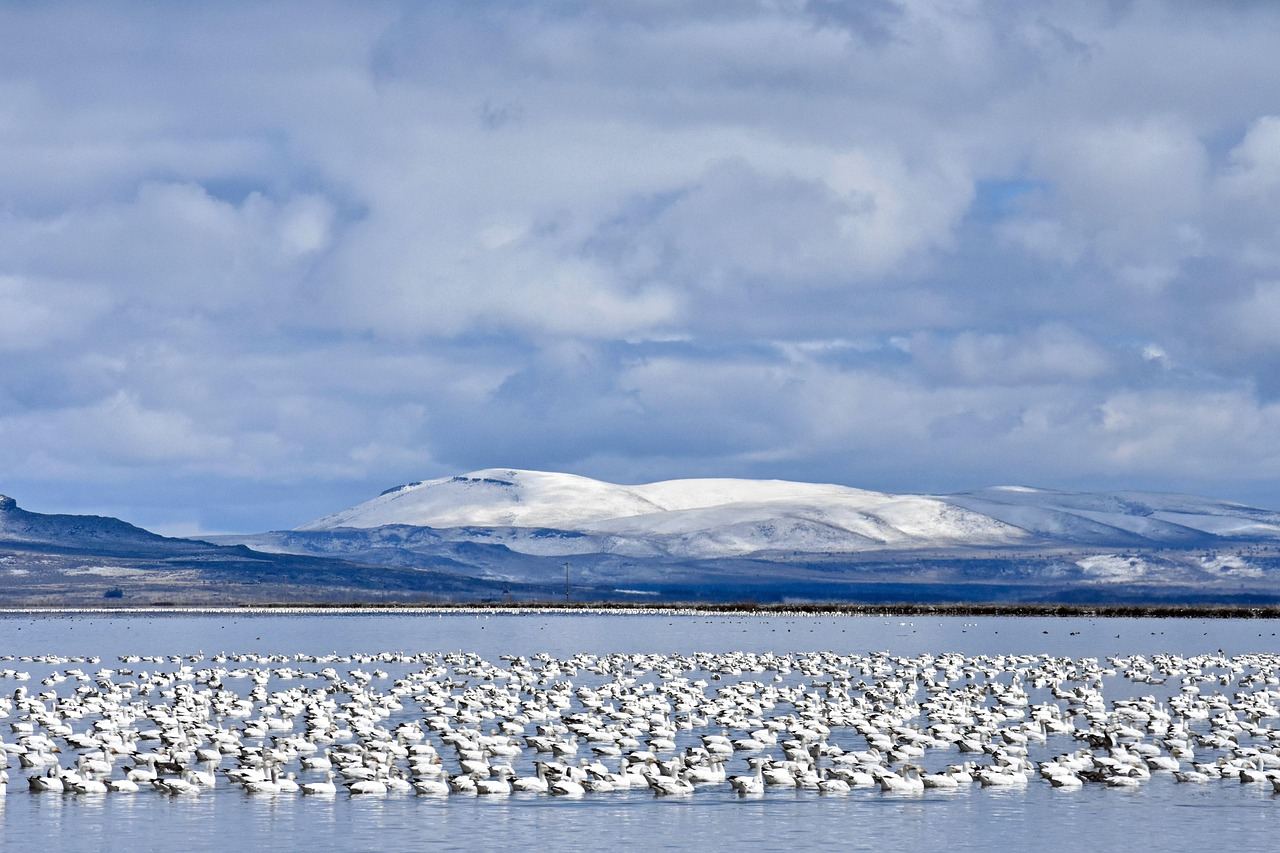
Wildlife refuges are protected areas for conserving natural habitats and observing local wildlife. Ideal for birdwatchers and nature enthusiasts seeking peace and biodiversity.
Wildlife refuges are protected lands where animals run the show. You're not visiting a zoo — you're stepping into a functioning ecosystem where rare species actually live.
The diversity here is the real draw. Migratory birds, elusive mammals, reptiles you'd never spot in a park — refuges protect the kind of biodiversity that disappears everywhere else.
You also get to see conservation in action. Most refuges offer trails, observation platforms, or guided programs that put you close to wildlife without disturbing it.
Wildlife refuges reward the prepared visitor. A few small decisions before you leave home will determine what you actually see out there.
A wildlife refuge rewards the people who show up with a purpose.
Wildlife refuges have a way of turning casual visitors into obsessives. Bird watching hooks people here because the refuge concentrates species you'd never spot in a city park — and a single morning with a field guide can reframe how you see every green space after.
The other pairing that earns its place here is wildlife photography — specifically because refuges force you to shoot in unpredictable light with subjects that won't cooperate. That pressure builds real technical skill fast. It also tends to slide into a genuine interest in conservation, once you've spent enough time watching what you're trying to protect.
A wildlife refuge doesn't require a plan. That's the whole point. You can show up with zero agenda and still leave having seen something you weren't expecting.
The variety is real — trails, water, open sky, animals moving on their own schedule. That unpredictability is what separates a refuge from a park with a loop trail. Something is always happening if you slow down enough to notice it.
Stepping into a completely different environment does something a screen change never does. It actually resets your head. A couple of hours here tends to fix the kind of restless, low-grade boredom that builds up when you've been inside too long.
Embarking on your first wildlife refuge adventure can be an exciting and fulfilling experience. Begin by researching the refuge you plan to visit. Many wildlife refuges have online resources or visitor centers where you can gather maps and learn about the specific habitats and species found in the area.
Make a list of the items you need to bring, keeping in mind the length of your visit and the refuge's amenities. Common essentials include binoculars for birdwatching, a field guide to learn about local wildlife, and plenty of hydration and snacks.
Upon arrival, take a moment to read any informational signage or engage with a ranger if available, to understand the rules and focus points of your visit. Start your journey on marked trails and be respectful of the environment by keeping on pathways and properly disposing of waste.
As you explore, keep a journal or take photos to document your sightings. Many refuges host diverse wildlife, such as deer, otters, and a variety of birds, so you could find surprises around every corner.
Remember, the goal is to connect with and appreciate nature, so take your time, stay quiet, and let the surroundings lead your adventure.
Best time to visit: Early morning or late afternoon
High appreciation for the peaceful, natural environment
Limited parking and can be buggy during warmer months
Many refuges allow pets in designated areas, often requiring them to be leashed at all times. It's important to verify specific rules for each refuge.
Consider packing binoculars, a camera, water, snacks, weather-appropriate clothing, and a field guide to enhance your visit.
Some larger refuges offer guided tours by park rangers or volunteers. Check the refuge's official website or visitor center for more information.
Most refuges do not require permits for general entry, but check ahead as some activities, like camping or fishing, may require one.
Yes — a Wildlife Refuge is one of the best options when boredom strikes. It gets you out of the house, offers plenty to do, and is accessible for most budgets. Whether you're solo, with a partner, or bringing the whole group, there's something to engage with.
When you're bored at a Wildlife Refuge, the key is to try something you haven't done before. Explore the less-crowded areas, challenge a friend, or use the visit to disconnect from screens and engage with your surroundings. Check the activities section above for specific ideas.