BoredomBusted — Find Your Next Favorite Thing To Do
Discover hobbies, activities, places, and ideas that spark joy. Whether you're looking for something creative, active, social, or relaxing, BoredomBusted helps you find your next favorite thing to do.
Browse our hobby guides, things-to-do collections, and place ideas to never be bored again.
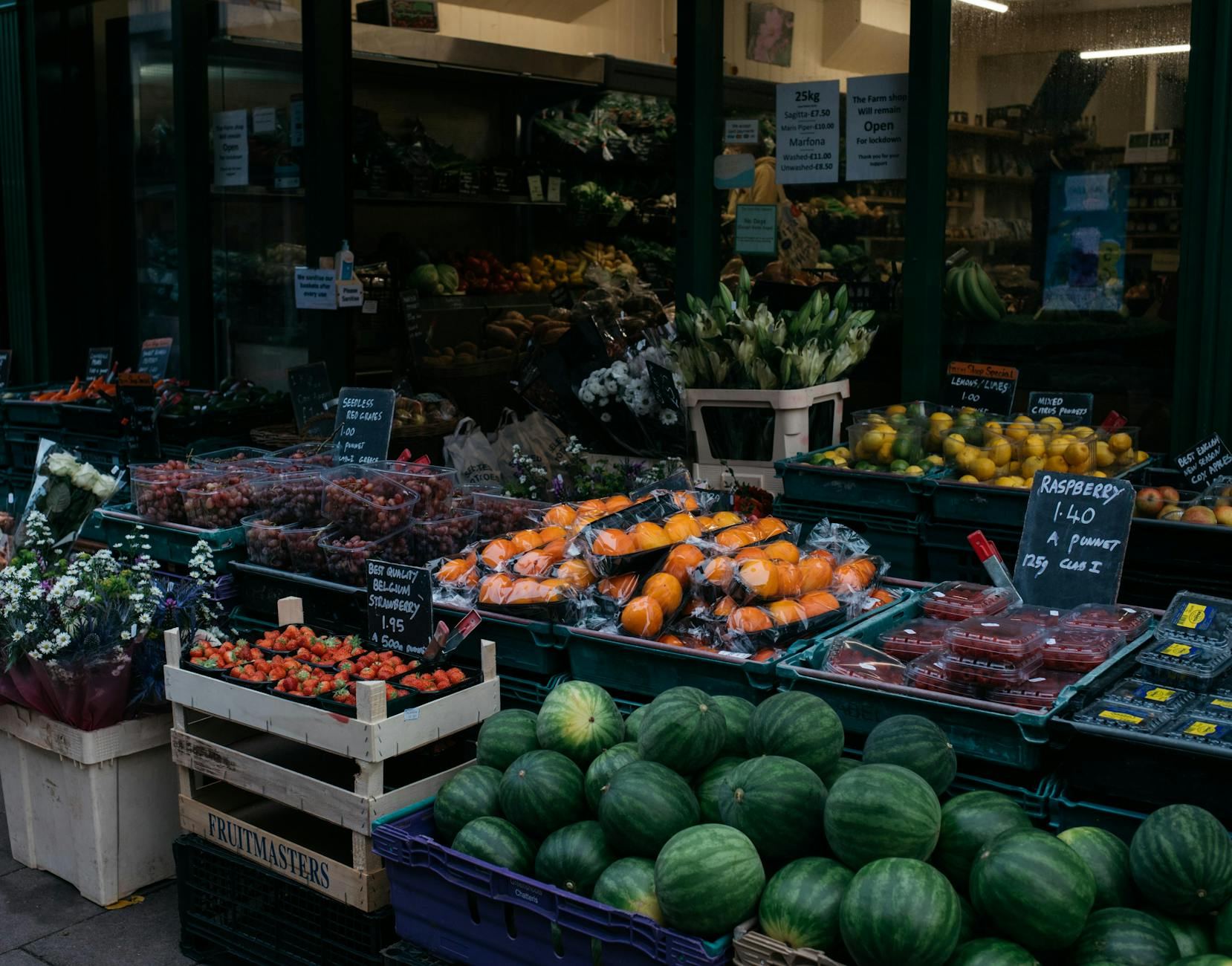
Discover a treasure trove of fresh, local produce and artisanal goods at your nearby farmers market, where every visit feels like a celebration of community and sustainability.
A farmers market puts you face-to-face with the people who actually grew your food. You can ask the farmer directly how something was grown — and get a real answer, not a label.
Most markets mix fresh produce with baked goods, handmade crafts, and prepared foods. The range is wider than most people expect — it's rarely just vegetables. Live music and street vendors often show up too, so the atmosphere has an energy grocery stores simply don't.
Your money goes straight to local producers, not a supply chain. That direct relationship often means better quality and prices that actually reflect the work behind the product.
Farmers markets reward the prepared visitor. A few small habits make the difference between a great haul and picking through leftovers.
A farmers market works for a surprisingly wide range of people — here's who gets the most out of it.
The stalls here do something a recipe book can't. Home cooks who shop farmers markets consistently experiment more — because an unusual variety of squash or a heritage-breed egg forces creativity in a way a supermarket shelf never does.
Gardeners get something extra here too. Vendors often carry heirloom seeds and rare seedlings you won't find at a garden center — and the farmers growing them are usually happy to tell you exactly how they did it.
No booking. No entry fee. No plan required. A farmers market is one of the few places you can show up with zero preparation and still fill two hours easily.
The variety is the point. Produce, food stalls, handmade goods, random conversations — it shifts every few steps. That constant low-level novelty is exactly what a restless afternoon needs.
It's also genuinely budget-friendly — you can browse the whole thing for free and only spend money if something catches your eye. Unlike most outings, there's no pressure to commit before you arrive.
Welcome to your local farmers market! If you’re stepping in for the first time, get ready for an experience that’s all about community, fresh produce, and delightful artisanal goods. It’s perfectly normal to feel a bit overwhelmed—after all, there’s a lot to see and smell! But don’t worry; you’re in for a treat.
First things first, dress comfortably. You’ll likely be walking around for a while, so wear your favorite shoes and perhaps bring a reusable tote bag for all your goodies. You might also want to come with a small amount of cash, as not every vendor accepts card payments.
As you arrive, take a deep breath and soak in the lively atmosphere. You’ll hear laughter, see families enjoying the day, and smell delightful aromas wafting from food stalls. A good first step is simply to stroll around and get your bearings. Check out the stalls that catch your eye, and don’t hesitate to ask farmers or vendors questions about their products—they love to share their knowledge!
Expect to find a rainbow of fresh fruits and vegetables, homemade jams, artisan bread, and maybe even some unique crafts. Sampling is often encouraged, so feel free to taste before you buy!
Remember, this is a relaxed environment, so take your time. Whether you’re looking for dinner ingredients or just a fun outing, there’s something for everyone. Enjoy the vibrant community spirit and have fun discovering all the treasures your farmers market has to offer!
Best time to visit: Early morning
Typical crowd level: varies
Visitors often praise the freshness of produce and the friendly atmosphere.
Most farmers markets operate on a weekly schedule, typically opening early in the morning (7–9 AM) and staying open for 2–4 hours. Hours vary by location and season, so it's best to check your specific market's schedule online or call ahead before your first visit.
Prices vary depending on the season, location, and vendors, but you can typically find quality produce at competitive prices—often similar to or cheaper than grocery stores. It's wise to bring cash or check if vendors accept cards, and start with a budget for staple items like vegetables and fruits.
Bring reusable bags or containers to carry your purchases, cash (though many vendors now take cards), and a comfortable pair of walking shoes. Arriving early gives you the best selection, so plan for 30 minutes to an hour to browse and shop.
Yes, many farmers market vendors offer samples of their products, especially for items like honey, jams, or prepared foods—it's a great way to discover new favorites. Don't hesitate to ask vendors questions about their products, growing practices, or how to prepare items you're unfamiliar with.
Search online for "farmers market near me" or check websites like USDA FarmersMarketDirectory.org or your local city/county agriculture department. Many regions also have seasonal markets, so confirm days and times before planning your visit.
Absolutely—farmers markets are very family-friendly and offer a great educational experience for kids to learn where food comes from. Many markets feature live music, cooking demonstrations, or activities for children, making it an engaging outing for the whole family.
Yes — a Farmers Market is one of the best options when boredom strikes. It gets you out of the house, offers plenty to do, and is budget-friendly (typically under $50). Whether you're solo, with a partner, or bringing the whole group, there's something to engage with.
When you're bored at a Farmers Market, the key is to try something you haven't done before. Explore the less-crowded areas, challenge a friend, or use the visit to disconnect from screens and engage with your surroundings. Check the activities section above for specific ideas.