BoredomBusted — Find Your Next Favorite Thing To Do
Discover hobbies, activities, places, and ideas that spark joy. Whether you're looking for something creative, active, social, or relaxing, BoredomBusted helps you find your next favorite thing to do.
Browse our hobby guides, things-to-do collections, and place ideas to never be bored again.
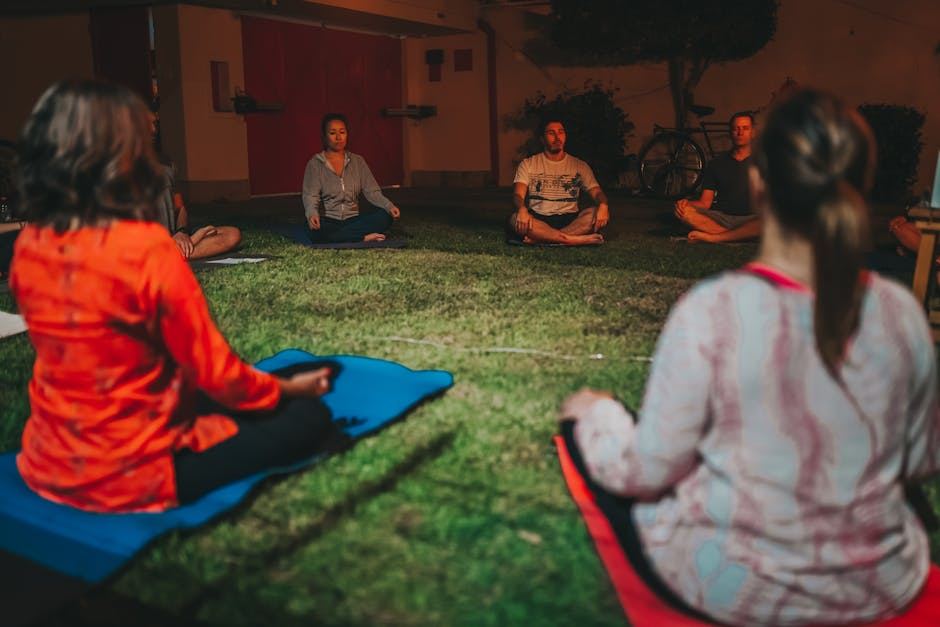
Most quit guided meditation too soon, missing its real benefit: training focus and attention control, not just relaxation on a beach.
Learning guided meditation as a beginner involves following a narrator's voice — live or recorded — to help direct your attention, breath, and mental imagery toward a specific state like calm, focus, or sleep.
Unlike silent meditation, someone else structures the session for you.
That one difference removes the biggest barrier most beginners never get past.
In guided meditation, you sit or lie comfortably, close your eyes, and follow audio instructions that lead you through breathing exercises and body scans, focusing your attention on sensations and relaxing areas of tension for 5-15 minutes.
Guided meditation creates a flow state through structured audio prompts that offer immediate feedback on your focus and relaxation, fostering a sense of accomplishment as you track your progress and explore different types of sessions.
Guided meditation isn't someone telling you to breathe and imagine a beach.
Maybe you tried it, got bored in four minutes, and decided it wasn't for you.
That assumption is costing you access to one of the most practically useful mental skills.
It's not passive listening. It's repetition training for where your attention goes. This mechanism exists behind every high-performance skill, from surgery to free throws.
The guide isn't the point. The guide is a scaffold. You're building the skill to notice and redirect your mental drift. This ability enhances focus, decision-making, and emotional regulation.
Many people quit right as it starts working. The distraction at minute three? That's not failure. That's where the exercise truly begins.
A surgeon who used guided meditation before twelve-hour procedures said she wasn't trying to relax.
She was training to notice focus slips before her hands slipped. The beach was irrelevant. It was all about noticing.
What really matters is feeling the tangible difference when you first try it. Next, let's see how this plays out in your day-to-day life.
Trying to meditate is unexpectedly noisy. You imagine calm stillness, but there's an uproar in your head. Distractions fight for attention because you've suddenly stopped covering them up.
The scene you picture isn't reality. Calm people, soft music, and effortless stillness? Sure, it seems straightforward. But what you get is an itchy nose, an intrusive grocery list, or a leg that falls asleep. You start doubting yourself, but pushing through that doubt is where things start to happen.
Meditation is about embracing the chaos, not silencing it. In the first days, you'll finish unsure if anything has changed, and that's entirely normal. As weeks pass, you'll catch your wandering mind, a moment that isn't failure but the point of training. Then a session feels different—quieter—but don't expect to replicate it immediately.
Choosing a consistent guide is key. Make sure their voice is pleasant because switching disrupts the rhythm. When you stick with one guide, you ease into familiarity instead of adjusting to something new each time.
Next, let's tackle common mistakes that lengthen this adjustment period.
When to start: Early morning
Duration: 30 minutes
Cost to try: $0
Success criteria: If you complete a 10-15 minute guided session and write 3 specific notes about breath, body, and thoughts afterward, do session 2.
Meditation isn\t about stopping thoughts. But beginners often quit when thoughts persist.Allow thoughts to pass like cars. Notice them without judgment and return to your focus point.
Starting with a 30-minute session feels committed. But it\s tough without tolerance for stillness.Begin with 5–7 minute sessions. Build up your patience slowly.
The wrong guide doesn\t suit your current state.
Choose sessions that fit your context to get the most out of your practice.
Lying down feels relaxing but often leads to napping. Sit upright with back support to stay conscious during the session.
Beginners skip between styles seeking what "clicks." But brains need consistency.Stick with one guide and session for two weeks. Only then decide if it's the right fit.
Guided meditation can take place anywhere that's quiet. Bedrooms, meditation or yoga studios, library wellness rooms, or community centers with mindfulness programs all work.
Some people even choose to practice from their couch.
Introduce yourself as new when you join a session. This usually earns you guidance near the teacher and tips for your first experience.
A guide walks you through your body, from head to toe, searching for tension but requiring no visuals or special breathing. Perfect for beginners struggling with abstract mindfulness concepts.
Focus on your breath, and expect your mind to wander. The guide redirects your attention to the breath each time. Ideal for those planning to meditate unguided in the future.
Transition into sleep gently with this practice. The guide uses a slow script for a hypnagogic state, ideal at night. Perfect for those whose minds won't shut off at 11pm.
Imagine a scene—a forest, a beach, or a room—guided by a script. Skip it if you have aphantasia or a restless mind.
Send warm thoughts to yourself, then others, including those you dislike. Great for overcoming resentment, loneliness, or emotional flatness.
If this resonates, Loving-Kindness Meditation explores a similar direction.
Readers who enjoy this often gravitate toward Transcendental Meditation next.
Readers who enjoy this often gravitate toward Body Scan Meditation next.
Most beginners focus on achieving complete stillness – no thoughts, no drifting, just quiet. But
the goal is noticing when your mind wanders, not preventing it.
The key insight is recognizing the moment you realize you've drifted away. This awareness, session after session, is the true training ground for meditation.
Catching your mind's wanderings quickly turns the guide's voice into an anchor. It's not a failure test but a point of return. Without this skill, every distraction feels like starting from scratch. Meditation feels exhausting instead of refreshing.
The wander-and-return cycle isn't the problem itself. It's your training rep.
Next, dive into how these techniques reshape your meditation experiences and their impact on daily life.
Dedicate 15 sessions over 30 days, aiming for every other day. The key is repetition, as benefits come from consistent practice, not isolated incidents.
If you're sneaking in sessions or feeling off when you skip, your body's telling you something. This suggests the practice is beneficial. Switch to a consistent daily schedule and explore new styles beyond your starter app.
Done all 15 but feel neutral? This often signals a mismatch in method, not the practice itself. Experiment with a different guide, style, or technique—like a body scan instead of breath focus. Give it two more weeks with just this change.
If you spent each session watching the timer in frustration, that's significant. Some brains simply ramp up when asked to sit still. Accept this as valuable feedback, not personal failing.
Articles about stillness and changing relationships with thoughts keep catching your eye. This quiet curiosity deserves a solid test run.
Curious what else is out there? Skim our list of hobbies for ideas that go in a different direction.
Guided meditation sessions usually range from 5 to 45 minutes, depending on the app, instructor, or practice level. Beginners often start with shorter sessions (5–15 minutes) to build focus, while experienced practitioners may prefer longer sessions (30+ minutes) for deeper relaxation.
No special equipment is required—just a quiet space where you won't be interrupted and a device to play audio (phone, computer, or speaker). A comfortable cushion or chair helps, but you can meditate anywhere with minimal distractions.
No—guided meditation is specifically designed for beginners and those with racing thoughts. The instructor's voice acts as an anchor, gently redirecting your attention whenever your mind wanders, which is a completely normal part of the practice.
Guided meditation uses an instructor's voice to lead you through breathing, visualization, or body awareness, while other types like silent meditation or mantra meditation rely on self-direction. Guided meditation is more accessible for beginners because it provides structure and reduces uncertainty.
Options range from free (YouTube, Insight Timer basic version) to premium subscriptions ($10–15/month for apps like Calm or Headspace). Many apps offer free trials so you can explore before committing to a paid plan.
Most people notice calming effects after just one session, though regular practice yields deeper benefits like reduced anxiety and improved focus within 2–4 weeks. Consistency matters more than duration—daily 10-minute sessions outperform occasional longer sessions.