BoredomBusted — Find Your Next Favorite Thing To Do
Discover hobbies, activities, places, and ideas that spark joy. Whether you're looking for something creative, active, social, or relaxing, BoredomBusted helps you find your next favorite thing to do.
Browse our hobby guides, things-to-do collections, and place ideas to never be bored again.
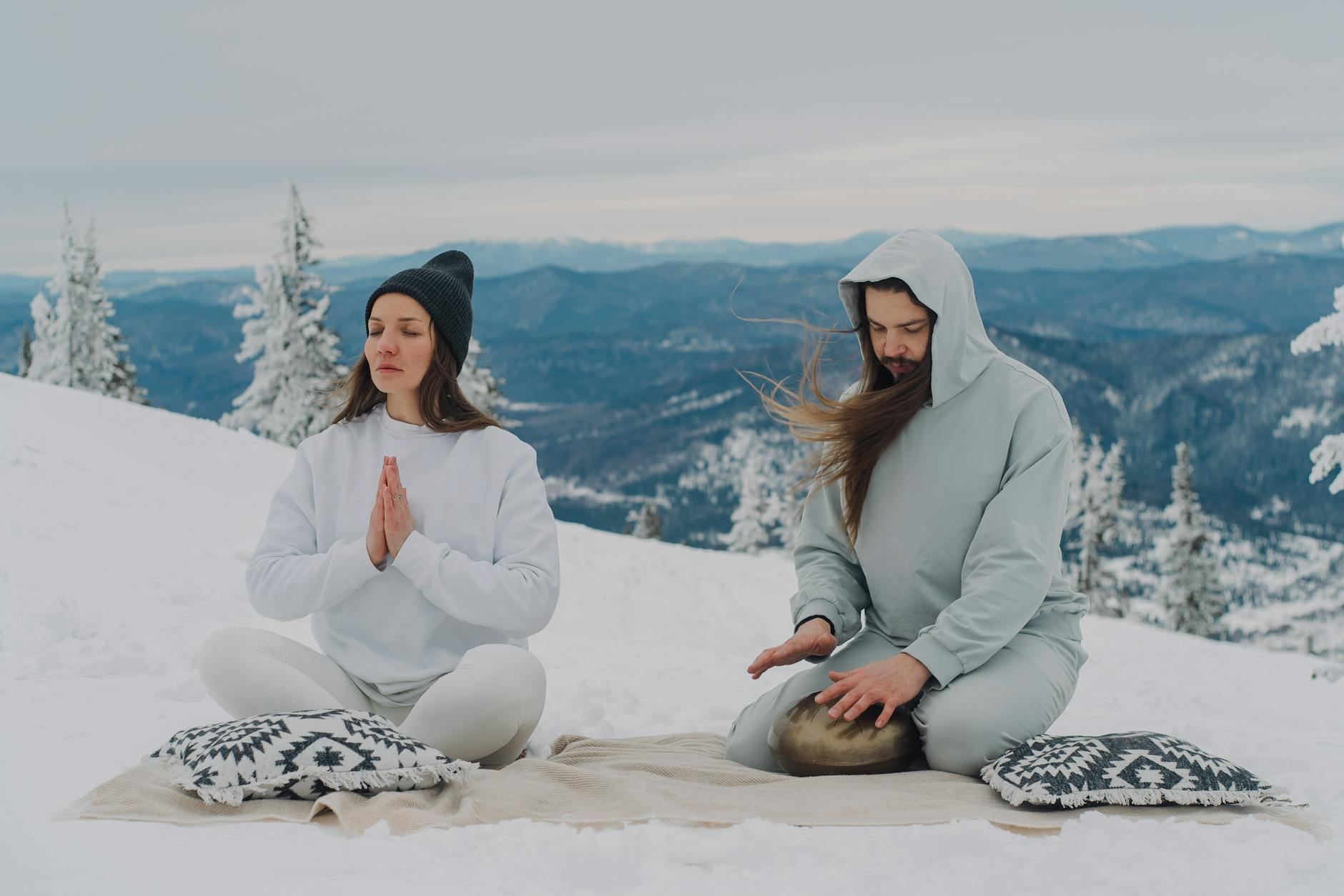
Breathwork isn't just deep breathing — it's a structured practice that can unlock emotional release and sharpen your focus through specific techniques.
Learning breathwork as a beginner can transform your understanding of breathing, turning it into a powerful tool for enhancing your well-being.
By focusing on intentional breathing techniques, you can reduce stress and find better mental clarity.
Controlled breathing exercises promote relaxation and help improve your concentration.
In breathwork, practitioners engage in solo sessions of controlled breathing, manipulating inhalation, exhalation, and breath holds using specific patterns like box breathing or diaphragmatic breathing, typically lasting 5-20 minutes while seated or lying comfortably at home.
Breathwork induces a flow state by requiring precise mental counting and physical focus, which absorbs attention and silences mental chatter, while providing incremental skill feedback as practitioners track improvements in breath hold duration and diaphragmatic control.
You think breathwork is just about taking deep breaths and nothing else.
The reality is quite different. Breathwork involves specific techniques that guide your breathing patterns for mental and physical benefits. It's not just about air in and out; it's about how you can transform your state using breath. These techniques can even be used as meditation or therapy methods.
Picture a runner catching their second wind. They don't just breathe to survive; they breathe to thrive. Breathwork guides you to achieve that's
Ready for a breathing technique that could change your day? That part's up next.
The first thing you'll notice is how strange breathing feels when you focus on it. Your rhythm may become jumbled, and your chest might tighten, feeling as if something is off.
The instructor will guide you through techniques like extended exhales or rapid nostril breathing. You might experience lightheadedness or tingling in your fingers, which can be startling but is apparently normal.
You'll realize how shallow your regular breathing is, which can feel a bit disheartening.
Around the 10-minute mark, something shifts to a strange calm. Your mind stops its constant narration, and in those few breaths, you get why people return to this practice.
When to start: Early morning
Duration: 30 minutes
Cost to try: $0
Success criteria: if you completed the breathing exercises without distraction, do session 2.
Beginners often push hard — faster inhales, bigger breaths, maximum effort. It feels productive. It isn't. Hyperventilating through a session drops your CO2 too fast, which causes the dizziness and tingling that makes people quit.
The fix is counterintuitive: slow everything down until the breath feels almost too easy. A 4-second inhale and 6-second exhale is more than enough for your first few weeks. Calm, controlled, and slightly boring is exactly where you want to be.
Most beginners obsess over filling their lungs. They take a deep inhale, then let the exhale just... fall out. That passive release is where most of the benefit gets left on the table.
The extended, controlled exhale is what activates your parasympathetic nervous system — the stress off-switch. Make the exhale deliberate. Slow it down. Let it run at least two counts longer than your inhale. That's where the shift actually happens.
Breathwork needs your attention. The mental counting, the body feedback, the rhythm — all of it competes with background noise, screens, and interruptions. A five-minute session with constant distractions doesn't build the same neural pattern as five focused minutes alone.
Treat the first ten sessions like something that deserves a closed door and a quiet room. Once the pattern is automatic, you can practice anywhere. Before that, the environment does half the work for you.
Box breathing, diaphragmatic breathing, extended exhale, nostril breathing — there's no shortage of techniques to try. So beginners hop between them, chasing the one that "clicks." The result is that nothing sticks.
Pick one technique and repeat it for at least three or four sessions before judging it. The calm you're looking for is partly a learned response. Your nervous system needs repetition to recognize the pattern and respond to it. Variety is for later.
Mild lightheadedness, tingling fingers, a slightly strange sense of detachment — these are normal responses to altered breathing patterns. But most beginners interpret them as warning signs and stop immediately.
The shift most people are chasing often starts right at the edge of that discomfort. Slow down if you need to, but stay with it. Around the 10-minute mark is when the nervous system settles and the mental quiet begins. Leaving before that means leaving before the payoff.
Start with r/breathwork on Reddit — it's one of the most active text-based communities for practitioners at every level. People post session logs, technique questions, and personal results there daily. The Wim Hof Method subreddit, r/wimhof, skews toward cold exposure but has a serious breathwork thread running through it.
For in-person connection, search for breathwork circles or pranayama classes at local yoga studios. These are usually drop-in format and run 60–90 minutes with a facilitator. Holotropic Breathwork sessions — offered through certified Grof Transpersonal Training practitioners — happen in cities worldwide and draw people who take the practice seriously.
The Othership app combines guided breathwork sessions with a social layer — you can see how many people completed the same session and read their reflections. Insight Timer has a large breathwork category and hosts live group sessions you can join in real time. Joining a scheduled live session on Insight Timer is the fastest way to feel like part of a practice community without leaving home.
Box breathing is the entry point most people find first. Four counts in, four counts hold, four counts out, four counts hold. One cycle takes about 16 seconds.
It fits between meetings, before a difficult conversation, or after a stressful commute. This is the version for people who want a practical tool, not a practice.
Diaphragmatic breathing focuses on belly-led breaths rather than chest breathing. Sessions run 10 to 20 minutes, usually seated or lying down at home. It's slower and more deliberate than other styles.
People who prefer routine over novelty tend to stay with this one the longest. The progress is quiet but measurable — you'll notice how much your resting breath changes over weeks.
Alternate nostril breathing cycles air through one nostril at a time. It sounds odd, but the bilateral rhythm requires just enough concentration to clear mental clutter. A five-minute session before a test, presentation, or creative block is its sweet spot.
This suits people who want something that feels active, not passive. You're doing something specific, not just breathing.
Wim Hof-style breathing uses cycles of 30 rapid, deep breaths followed by a breath hold at empty lungs. The physiological effects — tingling, warmth, a brief head rush — are hard to miss. Sessions take about 15 minutes.
This one attracts people who find subtler techniques underwhelming. If you need tangible feedback to stay motivated, this makes the results obvious. Note: it's not recommended for anyone with heart conditions or during pregnancy.
Pranayama is the breathwork tradition inside yoga. It includes techniques like kapalabhati (short sharp exhales) and ujjayi (a soft throat constriction during breath). The library of techniques is wide, and they layer with seated meditation naturally.
This version fits people already drawn to mindfulness who want breathing to deepen that work, not replace it.
A close neighbor worth considering: Ashtanga Yoga.
Another variant that pulls from the same roots is Coloring.
Mindfulness Meditation is a sibling pursuit and often surfaces the same kind of curiosity.
Focus on extending your exhale longer than your inhale. This simple adjustment activates your parasympathetic nervous system, the body's stress off-switch. It amplifies the effectiveness of every other breathwork technique.
Beginners often fixate on how to inhale. But the extended exhale is what truly rewires your nervous system. It's what lets you feel the benefits, not just go through the motions.
Practice your choice three times in a month. Space each session about ten days apart.
If you anticipate each session as a chance to reset physically, that craving for release signals a fit. Dive deeper with tracking how you feel right after each session and as days pass.
If the sessions feel dull and aren't improving your focus, it's a sign this might not be right for you. Before making a final decision, try a different technique with more structured breathing patterns.
If each session feels like forced effort and raises frustration, consider other mindfulness approaches. This likely means the mechanical aspect isn't your style.
The one sign you shouldn't ignore is checking your physical state immediately after each session to notice subtle changes. That impulse means it's working.
If breathwork doesn't feel like the right fit, our hobbies list has plenty of other directions to try.
For ideas that take five minutes instead of five weeks, see things to do when you're bored.
Breathwork is a practice of consciously controlling your breathing patterns to influence your mental and physical state. By engaging specific breathing techniques, you activate your nervous system to reduce stress, improve focus, and promote emotional clarity. The practice works by oxygenating your blood and signaling to your body that it's safe to relax.
Many people experience immediate effects like reduced anxiety or improved mental clarity within a single session, though results vary. Consistent practice over 2–4 weeks typically leads to noticeable improvements in stress management and emotional resilience. Long-term benefits like sustained emotional well-being develop with regular practice over months.
Box breathing, belly breathing, and the 4-7-8 technique are excellent starting points for beginners—they're simple, safe, and deliver quick results. Start with 5–10 minutes of practice and focus on breathing slowly and deliberately from your diaphragm. As you progress, you can explore more advanced techniques like alternate nostril breathing or wim hof breathing.
Breathwork requires zero equipment and minimal cost—you only need a quiet space and a few minutes of your time. You can practice anywhere: at home, outdoors, or in a guided class. Optional investments like online courses, apps, or in-person coaching exist, but are not necessary to get started.
Breathwork is generally safe and accessible for most people of all ages and fitness levels. Beginners should start with gentle techniques and avoid intense practices if they have respiratory conditions or anxiety disorders. If you have medical concerns, consult a healthcare provider before beginning, especially if pregnant or managing a chronic condition.
Breathwork works perfectly as a solo practice—many people establish a daily personal routine in just 5–10 minutes. Group classes and guided sessions add community and accountability, but aren't required to benefit from the practice. Choose what suits your preferences: solo practice offers flexibility while groups provide motivation and expert guidance.