BoredomBusted — Find Your Next Favorite Thing To Do
Discover hobbies, activities, places, and ideas that spark joy. Whether you're looking for something creative, active, social, or relaxing, BoredomBusted helps you find your next favorite thing to do.
Browse our hobby guides, things-to-do collections, and place ideas to never be bored again.
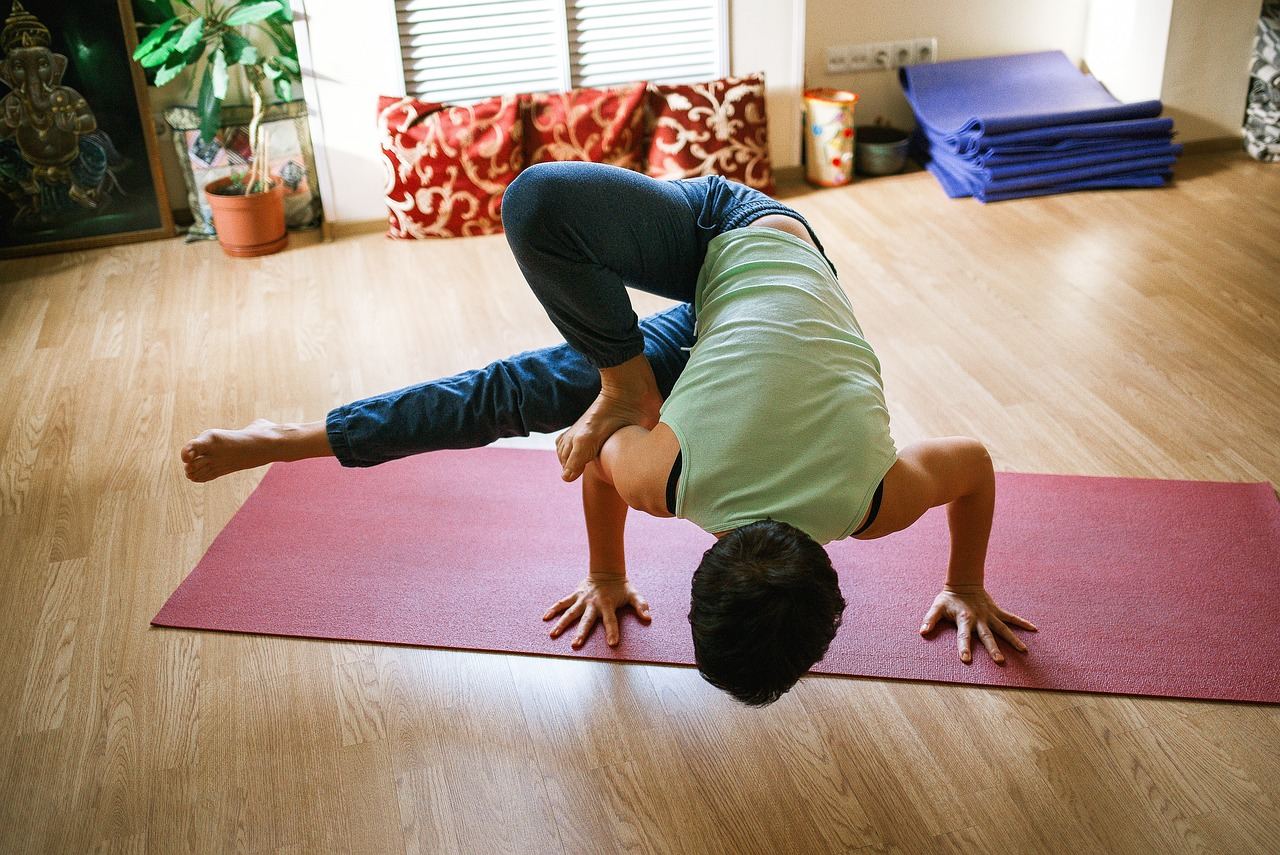
Labeling Hatha Yoga as beginner's work is misleading; it's a foundational practice that strengthens stabilizer muscles and improves breath control, crucial for all advanced styles.
Getting started with Hatha yoga as a beginner focuses on mastering the foundational poses and breathing techniques that enhance both physical and mental well-being. controlling your breath (*pranayama*), and developing body awareness over time.
Unlike a yoga flow class, nothing moves fast – each pose is held long enough to actually feel it.
That's the whole point.
In Hatha Yoga, practitioners engage in a structured sequence of physical postures (asanas) held for extended periods, combined with deliberate breath control (pranayama), focusing on body awareness and mental clarity through static holds and transitions.
This practice fosters a flow state by encouraging deep concentration on bodily sensations and breath, allowing for a quieting of the mind and a break from daily distractions, thus enhancing emotional well-being and reducing feelings of restlessness.
You assume Hatha is just for beginners. The slow, easy class for those not ready for "real" yoga yet.
That mindset leads most to quit after two sessions — they come in without really knowing what they're dismissing.
Take the case of a competitive swimmer in her mid-thirties. Initially, she thought Hatha would be recovery work between training blocks.
She discovered, six weeks in, that Hatha's emphasis on hip stability corrected a stroke asymmetry her coach had flagged for years.
That's not about flexibility. It's about control.
Hatha builds something foundational, affecting how you engage with the practice. It's about setting a base for deeper skills.
Understanding Hatha's true benefits helps open up discussions about equipment and fitness space. Next, we'll explore how that foundation supports more advanced yoga experiences.
Holding Warrior II for forty-five seconds isn\u2019t what you expect. Your front thigh will start screaming by the thirty-second mark. Watching someone move through a Hatha sequence looks like slow, controlled peace, but reality hits differently.
Your body is suddenly engaged in ways you're not prepared for. It\u2019s not a question of fitness level; it\u2019s the stillness mixed with strength that surprises you.
Week one reveals how tight your hamstrings really are, making half the poses feel impossible. By week two, you recognize the flow and chaos diminishes. Just when it feels like giving up is the only option, one pose will suddenly make sense in week three.
This click is subtle but significant. By week four, you\u2019ll find yourself breathing through the discomfort, shifting the whole point of the practice into focus.
You might think about bailing around week two. That's perfectly normal. This is when adaptation sneaks in, underneath the surface where you can\u2019t see it. Hatha classes hold poses longer. That\u2019s where the real work is, even if your nervous system freaks out at first.
When to start: Early morning
Duration: 1 hour
Cost to try: $0
Success criteria: if you finished without any serious discomfort, do session 2.
Beginners often aim for the demo version of a pose, skipping crucial steps. They want to nail the final shape immediately—ignoring foundational variations.
Use supports to help your body adjust without strain. A block can stabilize your hand in Triangle. A folded blanket can ease tension in Seated Forward Fold.
Most people hold their breath when challenged by a difficult pose. This is counterproductive, as the nervous system actually needs relaxation signals then.
Sync your movement with a deliberate exhale during hard transitions. Don't worry if it sounds awkward; that breath is essential.
At the end of a session, skipping Savasana is tempting. Rolling up the mat feels like it saves time, but you miss out on crucial recovery.
Commit to five solid minutes of Savasana every time. Set a timer and lie still until it goes off.
Jumping cold into a hip opener like Pigeon Pose can feel punishing. It looks simple, but performs poorly without proper preparation.
Warm up for at least three minutes first. Poses like low lunge and supine figure-four help ease into it.
Hatha yoga's slower pace can feel like dead time to beginners. Most rush instead of savoring the transitions, which are integral to the practice.
Pause for a full breath in each pose before moving. Make each transition a deliberate exhale, not just a reset.
Hatha yoga can be practiced almost anywhere. Think yoga studios, community centers, gyms, or even your living room floor.
Start at a yoga studio if possible — instructors catch mistakes early.
Tell the instructor you're new. This gets you modifications, a front spot, and permission to rest without worry.
Yoga isn't one-size-fits-all. What you choose affects what your body and mind get out of it.
Yin Yoga slows things down with poses held for 3–5 minutes, targeting connective tissue. It's a mental challenge due to its quiet, meditative nature. Great for anyone who carries tension in their hips and back, or needs to slow their nervous system.
Restorative Yoga uses props like strengthens, blankets, and blocks to support your body. It's more about relaxation and letting go than a workout. Perfect for recovery, stress relief, or post-injury care. Plan on $30–60 for a basic prop set if the studio doesn't provide.
In Vinyasa, poses flow frictionlessly, linked by breath. It's more dynamic and physically demanding.Ideal for anyone who finds slower classes mentally tough to engage with.
Iyengar Yoga focuses on precision, alignment, and the use of props for correct poses. Best for detail-oriented folk, older adults, and those needing careful modifications.
Kundalini Yoga mixes breathwork, chanting, and movement sequences with poses.It's for those already comfortable with Hatha, seeking a deeper meditative experience.
If you want a related angle, Vinyasa Yoga is the natural next stop.
Most beginners spend months chasing deeper stretches and harder poses. But the breakthrough isn't in flexibility or strength. It comes from breathing deliberately enough to let either develop.
It's about breath-led movement. Every transition and deepening of a pose should start with an exhale, not effort. In *Hatha*, your nervous system releases muscular bracing on the exhale. That's the moment when your body truly opens.
When you learn to move on the exhale instead of forcing through tension, poses become fluid and intuitive. Without this practice,your muscles guard against every stretch as a threat. You plateau quickly and accumulate low-grade strain, leading to burnout after just six weeks.
Try twelve Hatha yoga sessions over 30 days. That's three times a week, with rest in between for proper recovery. By session seven or eight, you'll know if it's for you.
If you find yourself eager to unroll your mat before a session begins, you're on the right track. This anticipation suggests a positive connection. Don't hesitate now – sign up for a structured beginner series and see where it leads.
Feeling neutral after each session signals you're unsure. Often, the setup doesn't match your needs. A different instructor, a slower pace, or two sessions a week instead of three might transform your experience. Give it another month before deciding.
Watching the clock every session means this just isn't your style. Some people get restless with stillness – if that's you, explore a more dynamic activity that aligns with your energy level.
Suddenly attentive to your own and others' posture in mundane settings? That subtle awareness is the unmistakable sign of Hatha taking root.
Plenty of people land on hatha yoga after browsing the full hobbies list — that's a fine place to start, too.
Looking for something lighter? Our boredom-busters guide is built for exactly that.
Hatha Yoga focuses on holding physical postures (asanas) longer and synchronizing movement with breath, making it slower-paced and more meditative than faster styles like Vinyasa or Power Yoga. It's ideal for beginners because it emphasizes proper alignment and gives you time to understand each pose before moving to the next.
No—flexibility develops through consistent practice, not before it. Hatha Yoga meets you where you are and gradually increases your range of motion over weeks and months. Props like blocks and straps help you modify poses safely until you build flexibility.
Most classes run 60–90 minutes, though some studios offer shorter 45-minute sessions for beginners. A typical session includes warm-up poses, standing and seated postures, breathing exercises (pranayama), and a relaxation period at the end.
You'll need a yoga mat, comfortable clothing, and ideally a block or strap—most studios provide these or can rent them for a small fee. Beyond that, just bring water and an open mind; no previous experience or special equipment is required.
Single drop-in classes range from $10–20, while monthly memberships at studios usually cost $60–150 depending on location and class frequency. Many studios offer introductory packages or free first classes, and free videos are available online if you prefer practicing at home.
Most people feel increased relaxation and better posture within 2–4 weeks of regular practice. Strength and flexibility improvements typically become noticeable after 6–8 weeks of consistent sessions, usually 2–3 times per week.