BoredomBusted — Find Your Next Favorite Thing To Do
Discover hobbies, activities, places, and ideas that spark joy. Whether you're looking for something creative, active, social, or relaxing, BoredomBusted helps you find your next favorite thing to do.
Browse our hobby guides, things-to-do collections, and place ideas to never be bored again.
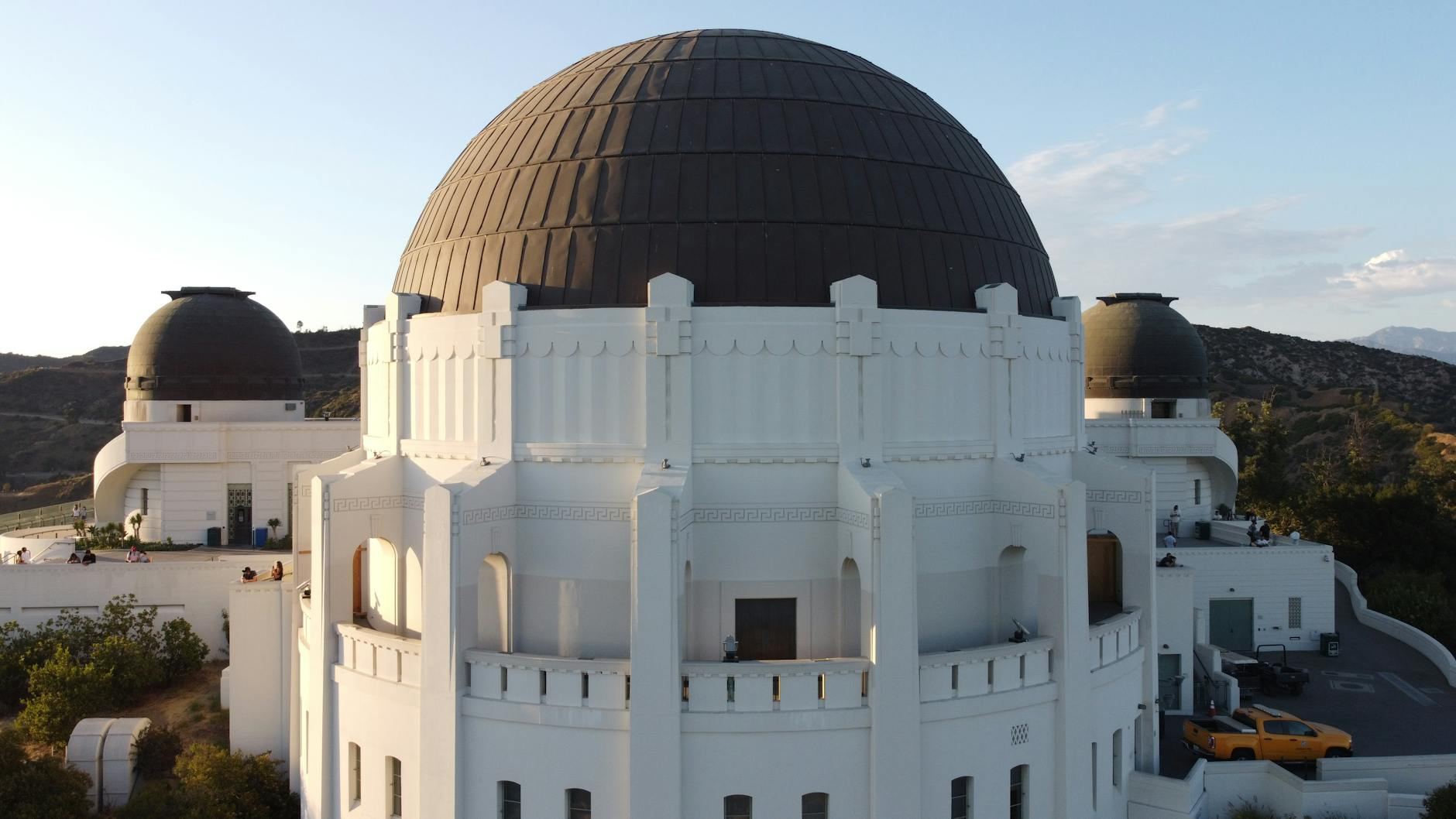
Discover the wonders of the universe at an observatory, where telescopes reveal the beauty of stars and planets. Perfect for astronomy enthusiasts and curious minds.
An observatory hands you a telescope and points it at Saturn. You can actually see the rings — not a photo, not a simulation, the real thing. Most are staffed by people who genuinely want to explain what you're looking at.
These facilities are built far from city lights on purpose. Light pollution is the enemy of stargazing, so observatories are often in genuinely dark, scenic locations. That alone makes the trip feel different from anything you'd do in town.
Beyond the telescopes, most observatories run guided tours and talks. You're not just peering into an eyepiece and guessing. The educational layer is what separates a visit here from simply going outside and looking up.
Observatory visits reward the prepared visitor. A few small adjustments make the difference between a frustrating night and a genuinely memorable one.
This place hits differently depending on what you're looking for — here's who gets the most out of it.
A night at an observatory has a way of making the backyard feel different afterward. Amateur astronomy is the natural next step — and most observatories are directly tied to local clubs that lend gear and run stargazing nights.
For photographers, this place opens a specific door. Astrophotography rewards the patience you'll already be practicing here — and seeing a galaxy through an eyepiece first makes capturing one on camera feel far more deliberate than just pointing a lens at the sky.
Most boredom fixes ask something of you — a booking, a budget, a plan. An observatory lets you show up with nothing and still leave with something to think about for days.
No prep. No kit. No agenda. You just turn up and suddenly you're looking at a planet that takes 12 years to orbit the sun — through a telescope that's been pointed at it all evening.
That's what separates this from a walk in the park. The variety on offer — live sky viewing, exhibits, talks — means an afternoon here rarely runs dry, even if you arrive knowing nothing about astronomy.
Welcome to your first visit to the observatory! Get ready to embark on an exciting journey through the cosmos, where you'll uncover the beauty of stars, planets, and galaxies. It’s perfectly normal to feel a bit anxious about what to expect, but don’t worry—we're here to guide you every step of the way!
First things first: dress for the weather! Depending on the time of year, it might get a bit chilly at night, so layers are your best friend. If you have binoculars or a camera, feel free to bring them along, but don’t stress if you don’t—most observatories provide telescopes and knowledgeable staff to help you explore the night sky.
As you arrive, take a moment to soak in the exterior of the observatory. It’s often designed to blend with the landscape, giving you a sense of wonder before you even step inside. Once you’re in, check out the schedule for guided tours or special viewing events. These are perfect for newcomers and will help you feel more at ease as you learn about the universe.
Expect to see breathtaking celestial sights through powerful telescopes, and don’t hesitate to ask questions! The staff and fellow visitors are usually very friendly and eager to share their knowledge and passion for astronomy. Remember, everyone was a beginner at some point, so you’re in great company.
Most importantly, have fun! Allow yourself to be amazed by the beauty above you. Take your time, enjoy the experience, and let your curiosity lead the way. Welcome to a world of wonder—you’re going to love it!
Best time to visit: Evenings
Typical crowd level: moderate
Visitors are generally delighted by the educational and awe-inspiring experience.
Through an observatory telescope, you can observe the Moon's craters and surface features, planets like Jupiter and Saturn with their rings and moons, star clusters, nebulae, and deep-space objects depending on the telescope's power and weather conditions. Most observatories offer views of different celestial objects based on the season and time of night.
No experience is necessary — observatories welcome beginners and casual visitors. Most facilities have trained staff or guides who explain what you're seeing and answer questions, making it an accessible experience for anyone curious about space.
A typical visit lasts 1–2 hours, though this varies by facility. Some observatories offer short evening viewing sessions, while others provide longer programs with presentations, guided tours, and extended telescope viewing.
Clear, dark nights offer the best viewing, typically during fall and winter when skies are clearest and nights are longer. Most observatories operate after sunset, with peak viewing hours between 9 PM and midnight, though schedules vary by location.
Admission costs typically range from $10–$25 per person, though many public observatories and planetariums offer free or low-cost viewing nights. Some facilities charge extra for special programs or private telescope sessions.
Dress warmly in layers since you'll be outdoors at night, and bring a jacket even in summer. Many observatories recommend avoiding bright flashlights or phone lights to protect night vision, and consider bringing a blanket or reclining chair if outdoor viewing is involved.
Yes — a Observatory is one of the best options when boredom strikes. It gets you out of the house, offers plenty to do, and is budget-friendly (typically under $50). Whether you're solo, with a partner, or bringing the whole group, there's something to engage with.
When you're bored at a Observatory, the key is to try something you haven't done before. Explore the less-crowded areas, challenge a friend, or use the visit to disconnect from screens and engage with your surroundings. Check the activities section above for specific ideas.