BoredomBusted — Find Your Next Favorite Thing To Do
Discover hobbies, activities, places, and ideas that spark joy. Whether you're looking for something creative, active, social, or relaxing, BoredomBusted helps you find your next favorite thing to do.
Browse our hobby guides, things-to-do collections, and place ideas to never be bored again.
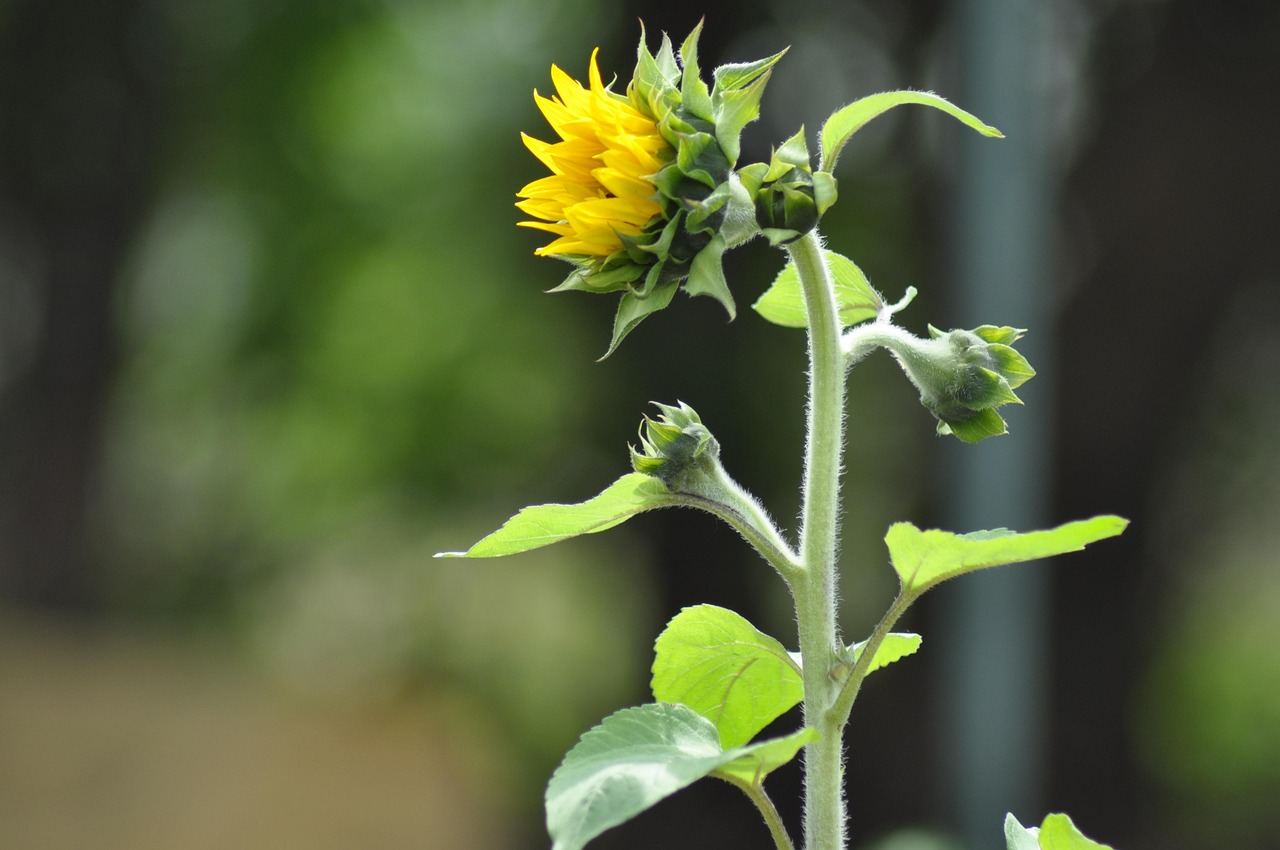
Community gardens are shared spaces where people can cultivate plants and foster community ties. Ideal for nature lovers, they offer a serene retreat and opportunities to learn about gardening.
Community gardens are shared outdoor spaces divided into plots tended by locals. What you're actually walking into is a working neighborhood — people growing real food, together, on a schedule.
Plots are typically assigned to individuals or families, so every patch looks different. You can watch someone's tomatoes go from seedling to harvest across a single season — and that kind of slow, visible progress is oddly satisfying to witness.
It's not a park. It's not a farm. Community gardens are one of the few places in an urban neighborhood where you can genuinely see sustainability happening at ground level — and usually talk to the person who made it happen.
Community gardens are low-key by nature, but a little prep goes a long way. Most visitors underestimate how much time they'll spend outside in the sun.
This place draws a pretty specific crowd — and most of them leave wanting to come back.
Community gardens are where urban farming stops being abstract. Growing food in a shared plot teaches soil, seasonality, and crop rotation faster than any book — because failure is immediate and the feedback is real. If you've ever wanted to try organic growing but lacked the space, a shared bed here removes that barrier entirely.
The visual variety also makes community gardens a surprisingly strong fit for macro and botanical photography — the density of textures, pollinators, and color shifts through the seasons gives you fresh material on every visit. And spending time here often pulls people toward ecological volunteering — something about tending a shared space makes the broader environmental stakes feel personal.
A scroll does nothing. A community garden does something. You show up with no real plan and still leave having actually done something with your hands.
The variety is the point. Community gardens give you a genuinely different environment to move through — one where something is always changing, growing, or needing attention. That unpredictability is what keeps a visit from feeling routine.
It's not just "getting outside." The shift in environment resets your focus in a way that a walk around the block rarely does. There's enough going on here to pull your attention somewhere useful.
Embarking on your first visit to a community garden can be an enriching experience. Begin by doing a little research on local community gardens in your area to find one open to public visitors. Many gardens are accessible during daylight hours, but it’s always a good idea to check before heading out.
Dress comfortably and bring along any personal essentials like water and a snack. Upon arrival, take a moment to observe the layout of the garden. You'll notice how different plant species are organized, often with educational signs providing plant information.
Engage with anyone tending the plots if they’re open to conversation. Gardeners typically enjoy sharing stories or tips about their plots, and it's a great way to learn something new. Make sure to follow any rules posted, leaving the garden as beautiful as you found it for others to enjoy.
If the community garden has a volunteer program, consider participating. Not only does it deepen your understanding of gardening, but it also strengthens the community bonds that make these gardens such special places.
Best time to visit: Mid-morning when the light is optimal and gardeners are active.
Visitors love the tranquility and learning opportunities.
Paths can sometimes be muddy after rain.
Most community gardens welcome visitors, but membership may be required for those wishing to have a plot or participate in certain activities.
Many community gardens are dog-friendly, but always check specific garden rules as it can vary.
Contact the garden's managing organization or committee to inquire about volunteer opportunities or plot availability.
Yes, while active gardening might be seasonal, most gardens remain accessible year-round.
Yes — a Community Garden is one of the best options when boredom strikes. It gets you out of the house, offers plenty to do, and is accessible for most budgets. Whether you're solo, with a partner, or bringing the whole group, there's something to engage with.
When you're bored at a Community Garden, the key is to try something you haven't done before. Explore the less-crowded areas, challenge a friend, or use the visit to disconnect from screens and engage with your surroundings. Check the activities section above for specific ideas.