BoredomBusted — Find Your Next Favorite Thing To Do
Discover hobbies, activities, places, and ideas that spark joy. Whether you're looking for something creative, active, social, or relaxing, BoredomBusted helps you find your next favorite thing to do.
Browse our hobby guides, things-to-do collections, and place ideas to never be bored again.
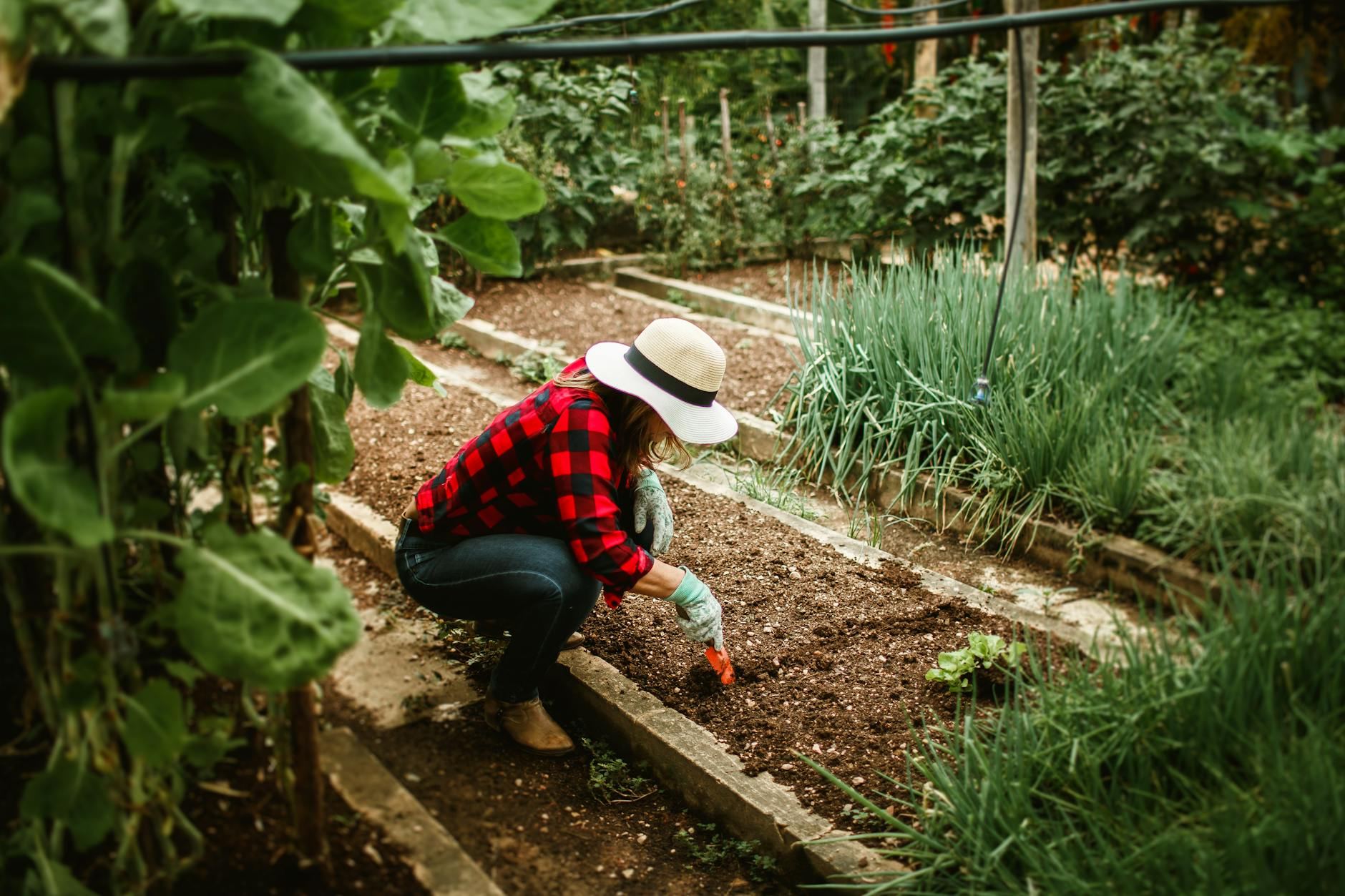
Permaculture transcends gardening — it's about redesigning how energy flows, turning problems into solutions that seamlessly integrate your entire life.
Learning permaculture as a beginner involves understanding how to design self-sustaining landscapes that harmonize food forests, water systems, and soil ecosystems that work together without constant intervention.
Unlike gardening, you're not fighting nature to grow things.
You're designing with natural patterns so the system does most of the work for you.
In permaculture, you engage in hands-on tasks like observing garden patterns, harvesting fruits, preparing soil beds, and building small structures from scavenged materials, all while adapting to seasonal changes and site feedback.
Permaculture fosters a sense of accomplishment through immediate results from tasks like harvesting yields, creating skill feedback loops that provide incremental progress and prevent monotony, while also enhancing social belonging through community involvement.
You think permaculture is gardening with a philosophy degree stapled to it. Raised beds, composting, maybe some chickens — just organic farming with extra steps and a reading list.
That assumption is costing you the actual idea.
Permaculture isn't just a menu of techniques. It's about mastering a decision-making system. You learn to understand how energy, water, and time move through a space.
Most view their yard, balcony, or kitchen as isolated issues.
A garden is just a starting point. People adopt this framework for finances, schedules, even neighborhoods — anywhere outcomes matter more than constant effort.
Picture a permaculture designer called to fix a property with drainage issues. They don't install pumps or drains. Instead, they change paths and use plant guilds to slow, spread, and soak water. The problem itself becomes part of the irrigation system.
The fix is invisible because the design absorbed it.
You're not here to become a farmer. Next up – what starting actually looks like, and why most people get this wrong in the first hour.
Watching permaculture videos feels like everything clicks. You see zones, guilds, and water strategies neatly organized on a screen. All of it makes perfect sense—online. Then you step into your yard, and the clarity dissolves.
Week one surprises everyone. You read more than you dig. You watch more than you plant. This isn't procrastination; it's how the observation phase works. By week two, your first site map tells you just how little you know. North is a mystery, and you're back to square one.
Planting anything feels huge in week three. You pick a nitrogen fixer or herb, but second-guess your placement immediately. Week four feels like nothing has changed at all. Yet, you notice details in your land you didn't see before. You're reading your environment.
Slow and uncertain is normal. At this stage, you have nothing impressive to show. This is when most quit, just before observation matures into intuition. That shift is what lets permaculture truly work.
Rather than designing immediately, focus on observing your land through a whole season. Skipping this step leads to designs suited for someone else's space, not yours. Next, we'll tackle the common mistakes to avoid during this phase.
When to start: Early morning
Duration: 1.5 hours
Cost to try: $10
Success criteria: If you mapped one 10×10 ft area with sun, shade, north, dimensions, and photos, do session 2.
Design is exciting, so many go straight to drawing guild plans and food forests before they understand their land's behavior.
Observe for at least one full growing season to map sun, wind, water flow, and frost pockets.
Permaculture promotes visions of stacked canopies and self-regulating systems, but neglect crushes these dreams quickly.
Focus on one guild of three plants and perfect it before expanding.
Beginners map zones like a grid. Zone 1 by the house, Zone 5 far off, but there's no leeway for real movement patterns.
Design zones around daily habits, not the ideal diagram.
Sheet mulching works but isn't magic. Cardboard and wood chips won't self-correct. Careful oversight is essential.
Check moisture monthly and inoculate with compost to boost soil biology.
That guild from an Oregon blog will struggle on your clay-heavy plot in the English Midlands. Plants don't know they're in a different climate.
Identify what your own soil and climate need before adopting outside ideas.
Permaculture can thrive anywhere there's land and purpose. This includes backyard gardens, community spaces, rural homesteads, and even urban rooftops.
Start small with a single raised bed or dream big with a 40-acre food forest. You don't need property to get going.
Local guilds often offer more hands-on experiences than any big organization. Introduce yourself simply: "I'm brand new – I don't have land yet, just curious."
That approach shows you're ready to learn, not debate. You'll likely be invited to a work party, seed swap, or someone's backyard for direct involvement.
Urban permaculture thrives in compact areas like balconies, rooftops, and community plots. Ideal for apartment residents without a yard. No specialized gear is necessary, as container costs replace traditional land expenses.
Forest gardening fully embraces permaculture's layered approach. You're essentially creating a self-sustaining edible woodland. Perfect for those with large plots aiming for a multi-year commitment. Initial costs are higher due to fruit and nut trees, which take time to yield results.
Biodynamic permaculture combines traditional design with biodynamic practices. This includes lunar phases and specific soil preparations. Great for those already versed in basic permaculture, looking to deepen their engagement with soil health philosophies.
Aquaponics-integrated permaculture merges fish tanks with grow beds, creating a closed-loop system. Ideal for those who enjoy system tinkering and don't shy from a steep learning curve. Equipment is extensive, with an initial investment of a few hundred dollars.
Regenerative agriculture isn't suited for small backyard sets out. It's a philosophy for managing large farms, integrating permaculture with commercial-scale land use. Ideal for those inheriting or managing rural properties, aiming to reduce reliance on conventional agricultural inputs.
For beginners, urban or small-scale permaculture is a sensible starting point. Master the principles before scaling up; avoid unnecessary overwhelm.
Readers who enjoy this often gravitate toward Birding next.
Some of the same instincts show up in Bass Fishing — worth a look if this clicked.
If the texture of this appeals to you, Astronomy is built on similar bones.
Most beginners spend their first year focused on choosing plants. They research species, switch varieties, and try to optimize for yield.
The plants aren't the problem. The relationships between them are.
Reading stacked functions is the key skill you need. This means looking at any system element and immediately asking: what else is this doing, and what is it failing to do?
A fruit tree isn't just for fruit. It's shade and wind protection. It provides leaf litter, water pathways, and a trellis for climbers. Or none of these, depending on its surroundings.
When you see functions instead of just plants, you design interactions rather than simply adding elements. This approach reduces your work and increases your system's efficiency.
Without this skill, you'll keep planting productive individual elements that somehow never add up to a productive system.
Permaculture demands commitment, not dabbling. You'll need 8 sessions over 30 days. Twice a week: once to observe, once to dig in.
If you're sketching water flow diagrams on napkins or spotting surprise plants, you're hooked. This shows an urge for systems thinking. Start a design journal and consider a PDC course next.
Feeling indifferent? It's likely due to heavy observation sessions with little visible outcome, which is normal. Give it 30 more days but focus on hands-on work like building a bed or installing a swale.
If you couldn't wait to leave, listen to that. If the slow pace or ecological chatter annoys you, this might not be your fit. You might enjoy market gardening or landscape design where the pace matches your style.
If you find yourself studying how water flows in your yard or pondering the role of neglected spaces, you're primed for permaculture. This unconscious analysis is key to mastering the craft.
No significant land access blocks your growth in permaculture. Container gardening can teach some lessons but won't replace designing full land systems.
If you're stuck in short, defined time blocks, permaculture will frustrate you. It asks for patience over years, not quick fixes.
Severe seasonal challenges like prolonged frost or droughts can overshadow learning. You might find engaging with your climate more taxing than rewarding.
Permaculture is one path among many — browse the full hobbies list to weigh it against the rest.
Permaculture is a deeper commitment than most boredom cures — for lighter options, check things to do when bored.
Setting up a basic permaculture garden typically takes 3–6 months of planning and initial design, with physical setup taking 2–4 weeks depending on garden size. Full ecosystem maturity and productivity usually develops over 2–3 years as plants establish and natural cycles develop. Starting small with a raised bed or section of your yard helps you learn principles without overwhelming commitment.
Permaculture designs entire ecosystems to be self-sustaining by mimicking nature—using perennial plants, composting, water management, and integrated animals—while traditional gardening focuses on growing individual plants with external inputs like fertilizers and pesticides. Permaculture requires more upfront planning but significantly reduces ongoing maintenance and inputs over time. It's a long-term design philosophy rather than a year-to-year gardening practice.
No—permaculture principles work at any scale, from small urban balconies and container gardens to large rural properties. Even apartment dwellers can apply core concepts like composting, water conservation, and vertical growing. Start with whatever space you have and expand gradually as you gain experience and confidence.
Initial costs range from minimal (under $100 for small container systems) to several hundred dollars for a larger backyard setup, depending on soil amendments, plants, and infrastructure like mulch or irrigation. Many permaculture beginners start cheap by using free materials (wood, leaves, kitchen scraps) and gradually invest in key elements like perennial plants and composting systems. The investment pays off through reduced grocery and gardening supply costs within 2–3 years.
The core principles are intuitive and can be learned by anyone willing to observe nature and plan ahead—no special certifications or expertise required to start. However, designing an effective system takes practice and patience as you learn your local climate, soil, and ecological conditions. Many beginners find community resources, workshops, and books invaluable for accelerating the learning curve.
Yes—integrating animals is a key permaculture principle, as they provide pest control, fertilizer, eggs, and honey while fitting naturally into the ecosystem. Chickens, bees, and goats are popular choices for smaller spaces, but check local zoning laws first, as some areas restrict livestock or require permits. Adding animals increases responsibility but deepens the self-sufficiency and productivity of your system.