BoredomBusted — Find Your Next Favorite Thing To Do
Discover hobbies, activities, places, and ideas that spark joy. Whether you're looking for something creative, active, social, or relaxing, BoredomBusted helps you find your next favorite thing to do.
Browse our hobby guides, things-to-do collections, and place ideas to never be bored again.
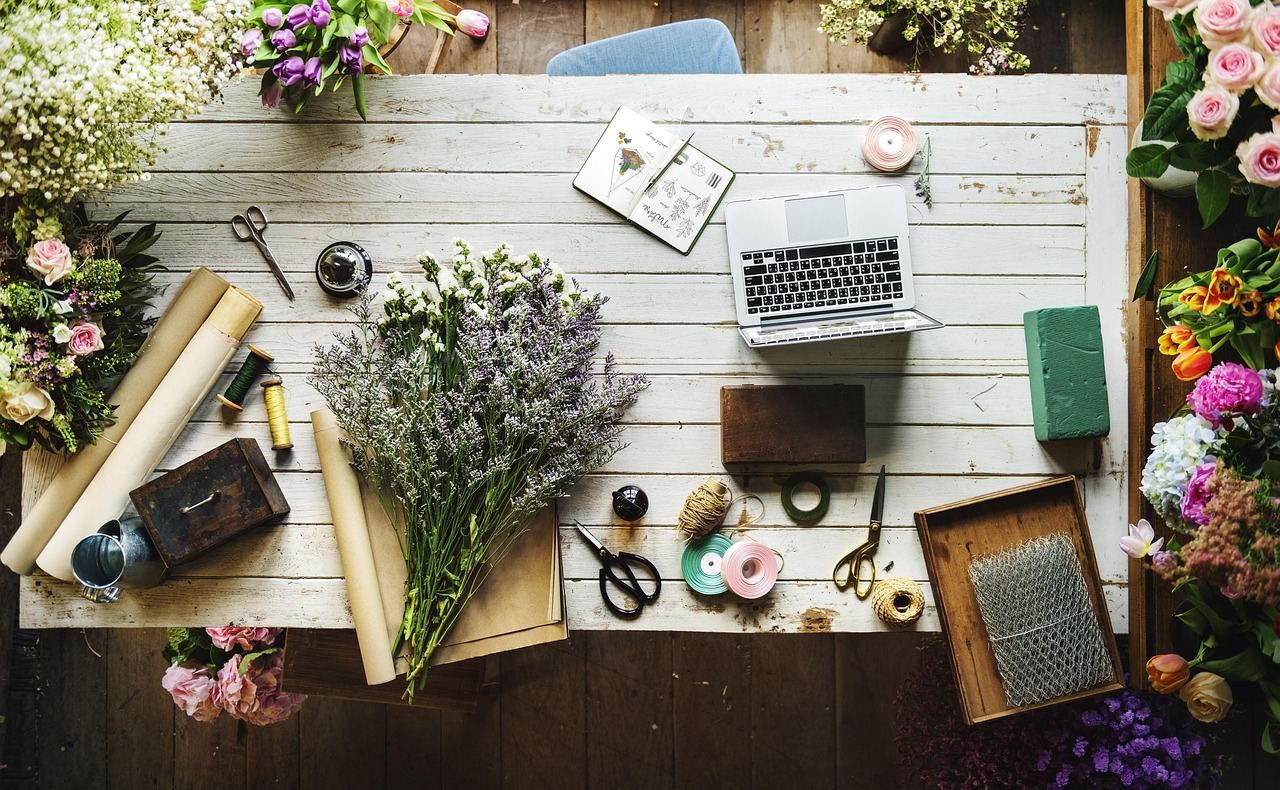
Flower arranging isn't just a peaceful pastime — it's a rigorous mental workout involving spatial reasoning and a unique grammar all its own.
Learning flower arranging as a beginner is a delightful way to explore your creativity while mastering the art of combining colors and textures – balancing color, texture, height, and negative space.
You work with living material that has maybe five days before it's compost, which forces fast decisions.
Unlike gardening, you're not growing anything – you're editing what's already there.
In flower arranging, hobbyists manipulate fresh or dried plant materials into decorative compositions, involving actions like cutting stems, layering flowers, and securing arrangements with wire and foam. They select blooms and greenery, trim and prepare them, and experiment with placements to create visually appealing displays, often using vases and other containers for their designs.
Flower arranging fosters a flow state through hands-on creativity and iterative adjustments, allowing hobbyists to engage deeply with their materials while receiving immediate visual feedback. This process builds skills over time and provides a sense of accomplishment from transforming raw elements into lasting, beautiful decor, while also incorporating seasonal variety to keep the experience fre…
You think flower arranging is something your aunt does. A nice, quiet hobby for people who like pretty things and have nothing urgent going on.
Most people never try it and miss out on one of the more mentally demanding creative skills you can pick up at home.
A florist in Edinburgh once described her first real arrangement as the moment she understood why architects obsess over proportion. She'd been buying flowers for years.
Placing them intentionally for the first time felt completely different — less decoration, more problem-solving.
So what's really needed to start? It's less than you think, and one of the items on the list isn't flowers.
Flower arranging looks beautiful in videos. Calm hands, smooth actions, everything fitting perfectly. But your first attempt? More like a fistful of wild weeds.
Picture stems of all the wrong lengths, a rose facing the wrong way, and second-guessing if you have any talent for it. It's awkward, messy, and nothing looks right.
Most mistakes are permanent, not fixable with a simple snip. You cut stems too short trying to fix the chaos but end up making new problems.
Then something shifts. Week two brings you closer to understanding. You learn to arrange from the outside in. Not the other way around.
Physics, not talent, steals your time. Flowers won't stay put until you switch techniques. A flower frog—a simple pin holder—can turn chaos into control.
You're not alone in feeling frustrated in the beginning. Let's move into the most common mistakes and how to dodge them.
When to start: Morning
Duration: 1-1.5 hours
Cost to try: $15
Success criteria: If you create a balanced bouquet with one focal bloom and at least 3 filler stems that stands upright in a vase, do session 2.
Grocery store flowers often look perfect because they're fully bloomed. They seem ready to use, but fade quickly at home.
Pick stems that are still closed or just opening. This way, you extend their lifespan and enjoy them longer.
Often, people cut flower stems once and think that's enough. But without regular fresh cuts, stems struggle to take in water.
Trim at a 45-degree angle under running water each time you change the vase water.
Many force stems straight because it looks tidy. This results in a stiff, unnatural arrangement.
Embrace the curve, rotating the stem until it naturally pulls outward. The depth it adds can't be imitated.
A flat arrangement looks balanced, but also like it came from a grocery store, despite quality flowers.
Use the rule of odds. Arrange stems at three different heights, placing your focal flower about two-thirds of the way up.
People often overlook greenery, treating it as optional. Yet, without it, your arrangement lacks structural integrity.
Use foliage as your framework. Add it first, so it supports your flowers and keeps them in place.
Most flower arranging happens at home. A kitchen table is all you need. For early guidance, though, look to your local community centers and floral design studios. They often offer hands-on classes.
When you attend, say: I'm a complete beginner. This gets you steered toward the right skill tier and often paired with a patient mentor.
Ikebana focuses on negative space and balance. Three stems can speak volumes. You're working with line and meaning, not volume and color.
Ideal for those who feel traditional bouquets have too much going on, or who enjoy a meditative practice.
Plan for specialized tools like kenzan and shallow dishes, costing around $20–40.
Western/European floral design is what you typically imagine: full, layered arrangements. Tutorials, classes, and commercial feedback are the most accessible in this style.
Great for beginners who appreciate structured guidance and want quick results.
Dried and preserved florals mean no water or decay issues. These last for months or years. Texture and muted tones guide your design, not fresh color.
Best suited for those seeking a slow-paced practice or travelers who can't maintain fresh flowers.
Wildflower and foraged arranging use finds from your garden, a field, or farmers market. The natural constraint is intentional.
Perfect for those who enjoy being outdoors, with minimal cost as an added benefit.
Wearable florals like corsages and crowns are small-scale and precise. Small errors can ruin the arrangement, so patience is key.
Ideal for arrangers with basic skills who are looking for a specific challenge.
A close neighbor worth considering: Painting.
If you want a related angle, Wheel Throwing is the natural next stop.
Readers who enjoy this often gravitate toward Monotype Printing next.
Understanding stem lines transforms your flower arranging skills.
Most beginners obsess over flower selection. They chase the prettiest blooms at the market.
The real work is structural, not decorative.
Learn to read stem lines—understanding the curve, weight, and direction of each stem before placing it. Each stem comes with its own intention. Your job is to embrace that geometry.
When you recognize the line a stem naturally follows, arrangements stop feeling forced. Every piece falls into place, creating a look of intention and ease.
Without this skill, you're just decorating randomly, hoping for coherence.
Arrangements that ignore stem structure appear stiff. The flowers aren't wrong; it's the structure that's off.
Commit to 6 sessions over 30 days. That's about one and a half sessions per week, giving you a real feel for the hobby without overwhelming your schedule or budget.
You're already planning the next arrangement before the current one is even done. That's passion. Dive deeper by exploring styles like ikebana or the Dutch Golden Age. Consider a local class for real-time feedback on your techniques.
You complete each session but don't think about it between them. That's ambivalence. Try an additional 4 sessions if you're not sure. But if it feels more like a task than a challenge, flower arranging might not be your hobby.
You find yourself clock-watching. That's clear feedback. Not every creative try suits everyone, and if crafting decorative pieces feels stagnant, it's valuable to know that now.
You find yourself noticing flower arrangements in public spaces and mentally tweaking them. This heightened awareness is what flower arranging sharpens. If it's happening instinctively, you're in the right place.
Fresh flowers wilt, and a regular buying habit runs you $20–$50 weekly. If your budget is too tight, the cost will cut the hobby short before any lack of skill does.
Allergies to pollen or strong scents aren't trivial obstacles. If sessions are physically uncomfortable, you're looking at a structural issue rather than a minor challenge. Opt for dried or artificial flowers, which shift the craft entirely.
If your schedule is erratic with long shifts or frequent travel, fresh flowers can't accommodate unpredictability. These blooms come with a natural expiration date, and constant tempo changes quickly become exhausting.
Sometimes you just need something for the next ten minutes — that's what things to do when bored is for.
You can begin with basic supplies for $30–$50: a few floral scissors, a vase, and some greenery from your garden or local market. As you progress, you might invest in specialty vases, foam, floral tape, and fresh flowers, but starting simple is entirely valid and produces beautiful results.
No experience required—flower arranging is accessible to anyone. You'll learn fundamental principles like color theory, balance, and proportion through practice and observation rather than formal training. Most people pick up core techniques within a few arranging sessions.
A basic arrangement typically takes 15–30 minutes once you have your flowers and supplies ready. More complex designs or competition-level pieces may take 1–2 hours, but beginners shouldn't feel pressured to rush—the process itself is the rewarding part.
Most fresh flower arrangements last 5–10 days with proper care, including regular water changes and stem trimming. Some hardy flowers like chrysanthemums may last up to two weeks, while delicate blooms like peonies may fade within 3–5 days.
Start with sturdy, forgiving flowers like roses, carnations, sunflowers, and chrysanthemums—they're durable, widely available, and hold their shape well. Greenery like eucalyptus and fern also provides structure and texture while being very beginner-friendly.
Yes, many practitioners find flower arranging deeply meditative—focusing on color, texture, and form naturally quiets the mind and reduces stress. The repetitive, hands-on nature of the work, combined with the beauty of your creation, creates a calming, present-moment experience.