BoredomBusted — Find Your Next Favorite Thing To Do
Discover hobbies, activities, places, and ideas that spark joy. Whether you're looking for something creative, active, social, or relaxing, BoredomBusted helps you find your next favorite thing to do.
Browse our hobby guides, things-to-do collections, and place ideas to never be bored again.
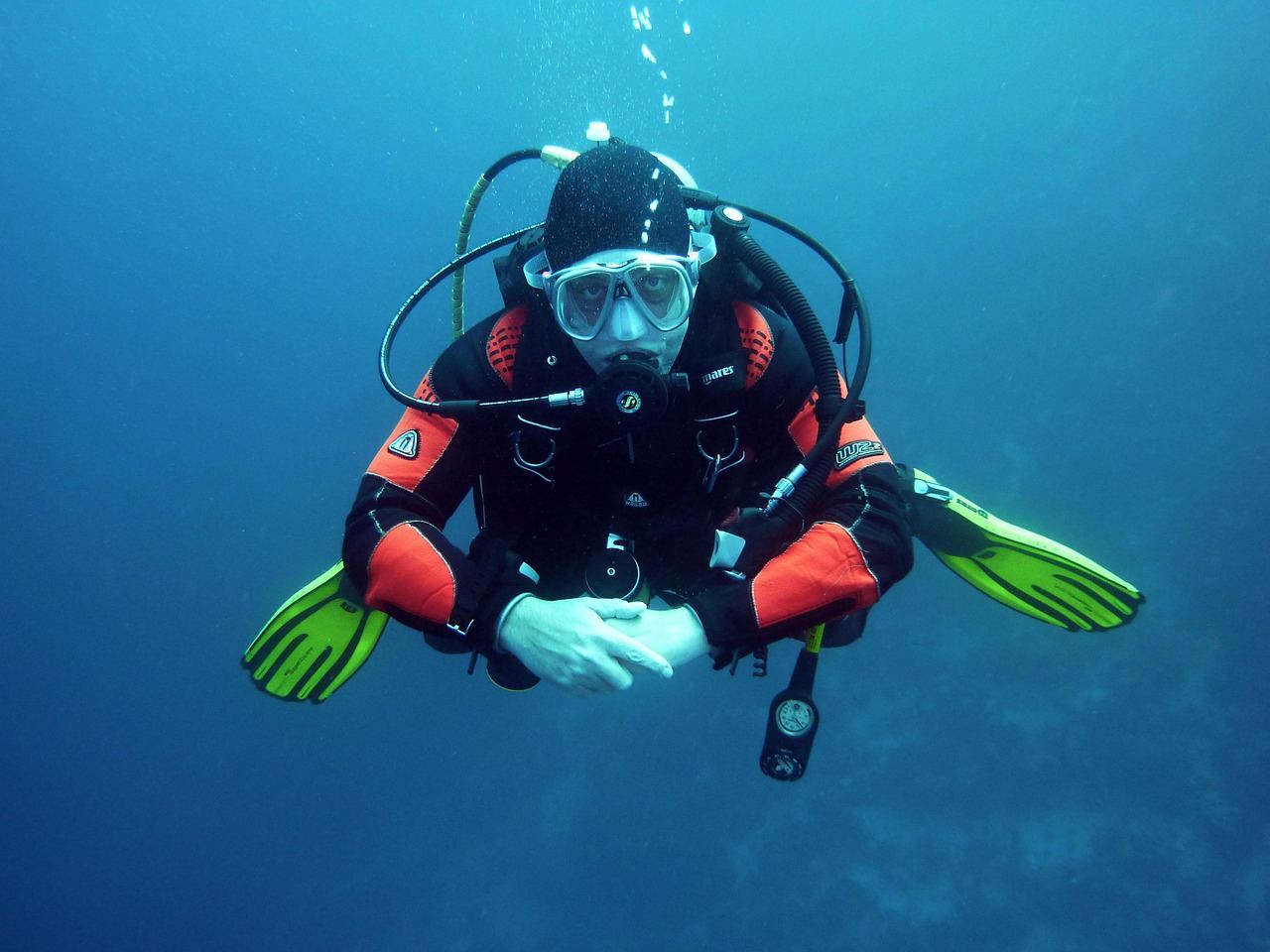
Scuba diving instruction offers a thrilling way to explore the underwater world. Learn fundamental diving skills under professional guidance.
Scuba diving instruction hands you the keys to an entirely different world. You start in a classroom, move to a pool, then hit open water — by the end of a basic course, most people are diving to 18 meters with real marine life around them.
Certified instructors cover equipment, safety procedures, and core techniques before you ever go deep. The pool sessions exist specifically so nothing surprises you when the ocean floor drops away beneath you.
This isn't just a hobby starter — it's a certification that travels with you anywhere in the world. A PADI or SSI open water cert is recognized at dive sites from the Great Barrier Reef to the Red Sea.
Scuba instruction has a few logistics that catch first-timers off guard. Getting these basics right before you show up makes the difference between a smooth first dive and a wasted day.
Scuba instruction draws a surprisingly wide crowd — here's who gets the most out of it.
Learning to dive here opens a direct path to underwater photography — and this is one of the few environments where you can practice composition and buoyancy control at the same time. Controlled dive conditions mean you're not fighting currents while you figure out your camera settings.
Marine conservation work is the natural next step for divers who want their time underwater to count for something. Reef monitoring and citizen science programs actively recruit certified divers — the skills you build in instruction transfer directly to real fieldwork.
Screens. Couch. Same four walls. Scuba instruction breaks that loop harder than almost anything else you can book on a weekday. You're learning to breathe underwater — your brain has no bandwidth left for boredom.
The change of environment here isn't just a change of scenery. Submerging into water physically shifts your nervous system — heart rate slows, focus sharpens. That's not a metaphor. It's a documented physiological response called the mammalian dive reflex.
You can show up with zero experience and a loose afternoon. Instructors structure the session, so there's no awkward "what do I do next" drift. Most first-timers leave having done something they genuinely didn't think they could do — and that feeling is rare.
On your first visit to a scuba diving school, it's crucial to remain open-minded and patient with yourself as you adapt to the new environment. Arrive a little early to fill out any necessary paperwork and meet your instructor and fellow students. This is also a good time to address any anxieties or questions you might have.
The first lesson usually begins with an overview of basic scuba equipment and safety procedures. Pay close attention to the safety briefing and always practice with the utmost care. You'll likely start in a pool, where you will familiarize yourself with breathing through a regulator and achieving buoyancy control—fundamentals on which all scuba diving relies.
As you progress, remember that the key to learning scuba diving is practice and patience. Take each task one step at a time, and you'll gradually become more comfortable and proficient. Engage openly with your instructor and peers to enrich your learning experience.
Once you're in the open water, take in the experience. Witnessing underwater life in its natural setting is a remarkable reward for your efforts—savor the adventure.
Best time to visit: Morning sessions are typically preferred for calm seas and clear visibility.
Most students find scuba diving instruction rewarding, with many expressing excitement and accomplishment upon course completion.
Some students may initially feel overwhelmed adjusting to equipment and underwater breathing.
Wear a swimsuit, and bring a towel and a water bottle. The school usually provides all necessary diving equipment.
You don't need to be an expert swimmer, but comfort in the water and basic swimming skills are essential.
Yes, certain medical conditions can affect your ability to dive safely. A medical questionnaire is typically required before beginning instruction.
Yes, many programs accept children over the age of ten, provided they meet the physical requirements and are comfortable in the water.
Yes — a Scuba Diving Instruction is one of the best options when boredom strikes. It gets you out of the house, offers plenty to do, and is accessible for most budgets. Whether you're solo, with a partner, or bringing the whole group, there's something to engage with.
When you're bored at a Scuba Diving Instruction, the key is to try something you haven't done before. Explore the less-crowded areas, challenge a friend, or use the visit to disconnect from screens and engage with your surroundings. Check the activities section above for specific ideas.