BoredomBusted — Find Your Next Favorite Thing To Do
Discover hobbies, activities, places, and ideas that spark joy. Whether you're looking for something creative, active, social, or relaxing, BoredomBusted helps you find your next favorite thing to do.
Browse our hobby guides, things-to-do collections, and place ideas to never be bored again.
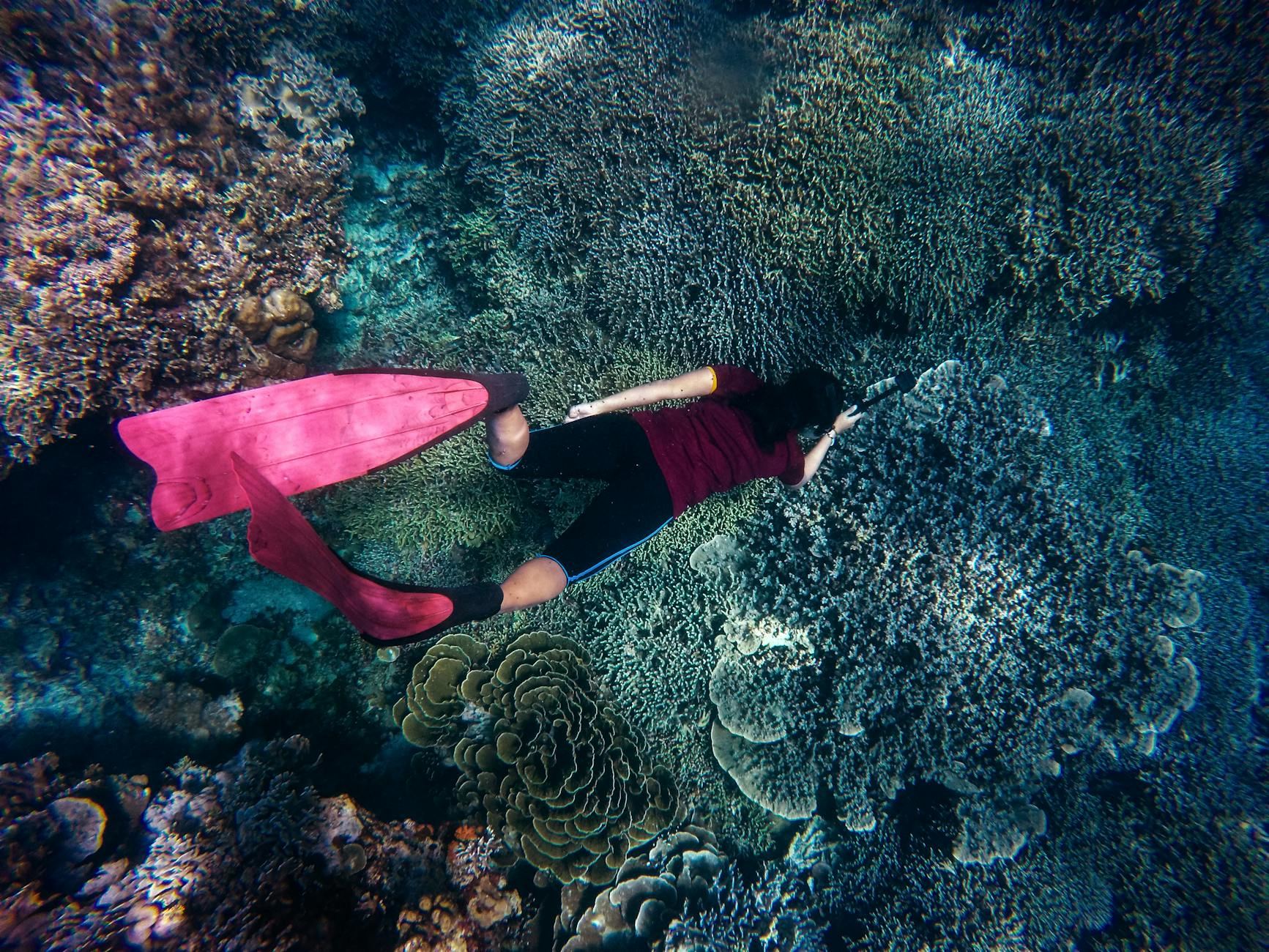
Forget resort vibes—snorkeling isn't just floating; it's mastering breath control and discovering wonders that evolve with every foot you descend.
Getting started with snorkeling as a beginner involves learning how to float comfortably while breathing through a tube and observing the underwater world.
No certification, no tanks – just a mask, a snorkel, and fins.
Unlike scuba diving, you stay shallow and breathe continuously.
Unlike swimming, the point isn't movement – it's observation.
Snorkeling involves equipping yourself with a mask, snorkel, and fins, then entering shallow waters to swim face-down while breathing through the snorkel, observing marine life and underwater environments. Practitioners use steady kicks for propulsion, controlled breathing to stay relaxed, and may duck-dive to explore deeper areas, managing buoyancy through breath adjustments.
Snorkeling combats boredom through a flow state induced by balancing breath control and movement against water currents, creating a focused exploration experience. Immediate feedback from improved techniques enhances skill mastery and boosts confidence, while the dynamic underwater visuals provide constant novelty that keeps engagement high.
Snorkeling is an adventure playground much richer than you realize. You think it's just a resort activity — rent some gear and float. But that's exactly what misses the skill and thrill beneath the water's surface.
The real shape of this hobby includes much more, like breath control and equalization. Casual floaters may never see it. Rent gear? Often a liability. A mask that fits is everything — no fogging, no leaks, and no limits on how long you enjoy the water.
Marine environments transform with every foot. What's at three feet is different from twelve feet. Learning to read this unfolding world never stops.
Think of a Florida Keys freediver. They spent two years snorkeling, not training, just amazed at the never-ending reef discoveries they found.
Same water. Different eyes each time.
The gear has its own story, and it's where most hobbyists pause. That's where we'll dive in next.
Snorkeling isn't quite the serene drift you see in videos. Your first time feels choppy, wet, and awkwardly nose-focused. It's nothing like the silent blue you've imagined.
Your breathing feels wrong and the mask fogs immediately. Salt water sneaks into your mouth, and you'll likely suspect a gear issue. It'll dawn on you – the real culprit is misaligned technique, not malfunctioning equipment.
With more practice, breathing becomes second nature, and the mask remains fog-free. Your hands stay relaxed by your sides instead of grasping for the surface. You start noticing the underwater world rather than just focusing on survival.
Here's a tip for your first dive: use a small amount of dish soap or baby shampoo to defog your mask instead of relying on spit. Rental masks have a coating that makes spit ineffective, and clear vision is crucial to a good first snorkeling experience.
When to start: Early morning
Duration: 2 hours
Cost to try: $20
Success criteria: If you can breathe steadily through the snorkel for 20 minutes, clear the mask once, and spot at least 3 fish or plants, do session 2.
Rinsing the mask with just water doesn't work. You need a defogging agent, not just a rinse. Spit on the dry lens, rub it around, rinse lightly, and put it on wet. That's the actual method.
It feels natural to breathe through your nose. But with a mask, you need to rely on your mouth only.
Practice in a pool or shallow water
Many new snorkelers tire quickly by kicking too hard. Efficient snorkeling uses slow, full-leg flutter kicks, not frantic ankle flicking.
Straighten your legs, point your toes, and let the fins handle the work with long, lazy movements.
Dry-top snorkels seem ideal for beginners. In reality, they're bulkier, drag harder in currents, and complicate duck-diving.
Choose a simple semi-dry snorkel with a splash guard. It's easier to clear with one sharp exhale than wrestling with a float valve.
Fins intended for bare feet often cause blisters and can slip off. Wear them over rash guard booties or thin water socks.
Size up by half
if you're using anything on your feet, which you should.
Explore ocean beaches, coral reefs, freshwater lakes, and even public pools for snorkeling. Most don't realize how helpful pools are for practice. They offer calm waters to master breathing before heading into the ocean.
Tell them you're new to open water and want to practice breathing. This approach finds you a buddy and keeps your first experience manageable.
Float above coral reefs while watching fish in their natural habitat. Perfect for beginners who want easy access to vibrant marine life without extra effort.
Explore a transformed reef after dark with a dive light. Expect different species and behavior — potentially even bioluminescence. Ideal for those revisiting reef snorkeling. A good waterproof dive light will add $30–$80 to your kit.
Dive deep on a single breath, exploring down to 30 feet before surfacing. Suited for bored snorkelers who want to push their physical limits.
Experience freshwater fish and unique river environments. Landlocked snorkelers discover new worlds hidden in plain sight.
A full-face mask simplifies breathing and lowers the learning curve. Great for total beginners, though not ideal for free-diving or strong currents due to safety concerns.
Some of the same instincts show up in Mountaineering — worth a look if this clicked.
If the texture of this appeals to you, Mountain Bike Orienteering is built on similar bones.
If you want a related angle, Technical Diving is the natural next stop.
Beginners obsess over gear – fins, mask fit, snorkel type – only to feel panicked in the water. The gear isn't the problem. Their breathing is.
The real skill is controlled diaphragmatic exhale pacing – learning to slowly and fully exhale through your snorkel before the next inhale. Beginners often sip air in short cycles, trapping CO2, which triggers anxiety and changes the ocean from calming to hostile.
Mastering the exhale stops panic signals from your body. CO2 buildup feels like "I need to surface now", not lack of oxygen. Imagine every dive without this feeling. Instead of white-knuckling, you float and observe. Snorkeling finally becomes relaxing, not a survival exercise.
Four sessions over 30 days. That's the test.
Snorkeling requires enough repetition to make the gear feel familiar and the water less intimidating. Four sessions allows that without needing to live near a beach.
If you're already planning the next trip before this one ends, this hobby aligns with how you want to spend time. Start looking for destinations with snorkel-specific reefs. Consider a freediving intro course. This is a direction, not just a pastime.
If you finished all four and felt indifferent, that's useful feedback. Some people enjoy the idea of underwater life more than the reality of it. Trying wildlife photography on land might offer the enjoyment without the logistics.
If you were eager to leave the water, that's a clear sign. Dread that persists by session three signals this isn't the right fit for you. Accept that signal and explore other activities.
If you keep pausing on reef images mid-scroll, that's the pull. Not dramatic shark content but simple fish and coral scenes. That quiet fascination is what snorkeling rewards, and it's a common sign of true interest before trying the hobby.
You'll need a mask, snorkel, fins, and a wetsuit (depending on water temperature). A mask creates an airtight seal so you can see underwater, the snorkel allows you to breathe while your face is in the water, and fins help you move efficiently. Most beginners rent gear from local dive shops before investing in their own.
Most people can master the basics in 30 minutes to an hour with proper instruction. You'll learn how to clear water from your snorkel, control your breathing, and maintain buoyancy. Once comfortable with these fundamentals, you can enjoy snorkeling immediately, though building confidence takes a few outings.
Yes, snorkeling is very safe for beginners when proper precautions are taken. Always snorkel with a buddy, wear a life vest if needed, stay in calm shallow waters, and avoid snorkeling alone. Being aware of currents, marine life, and your physical limits ensures a safe and enjoyable experience.
Snorkeling can be done for free if you already own equipment and access a beach, or $30–$100+ for a guided tour that includes gear rental. Basic equipment costs $100–$300 to purchase, while high-quality gear ranges from $300–$800. Many resorts and beach towns offer affordable rental packages starting at $10–$20 per day.
You'll typically see colorful fish, coral formations, sea turtles, rays, and other reef creatures depending on your location. Popular snorkeling destinations like the Great Barrier Reef and Caribbean waters offer particularly vibrant ecosystems with hundreds of fish species. Even shallow reefs near beaches support diverse life, though tropical waters generally offer the most spectacular views.
Yes, beginners and weaker swimmers can snorkel with proper support and preparation. Wear a flotation device like a life vest or buoyancy belt, stay in shallow water, and consider a guided tour with experienced instructors. Practice basic breathing skills in a pool before heading to the ocean to build confidence.