BoredomBusted — Find Your Next Favorite Thing To Do
Discover hobbies, activities, places, and ideas that spark joy. Whether you're looking for something creative, active, social, or relaxing, BoredomBusted helps you find your next favorite thing to do.
Browse our hobby guides, things-to-do collections, and place ideas to never be bored again.
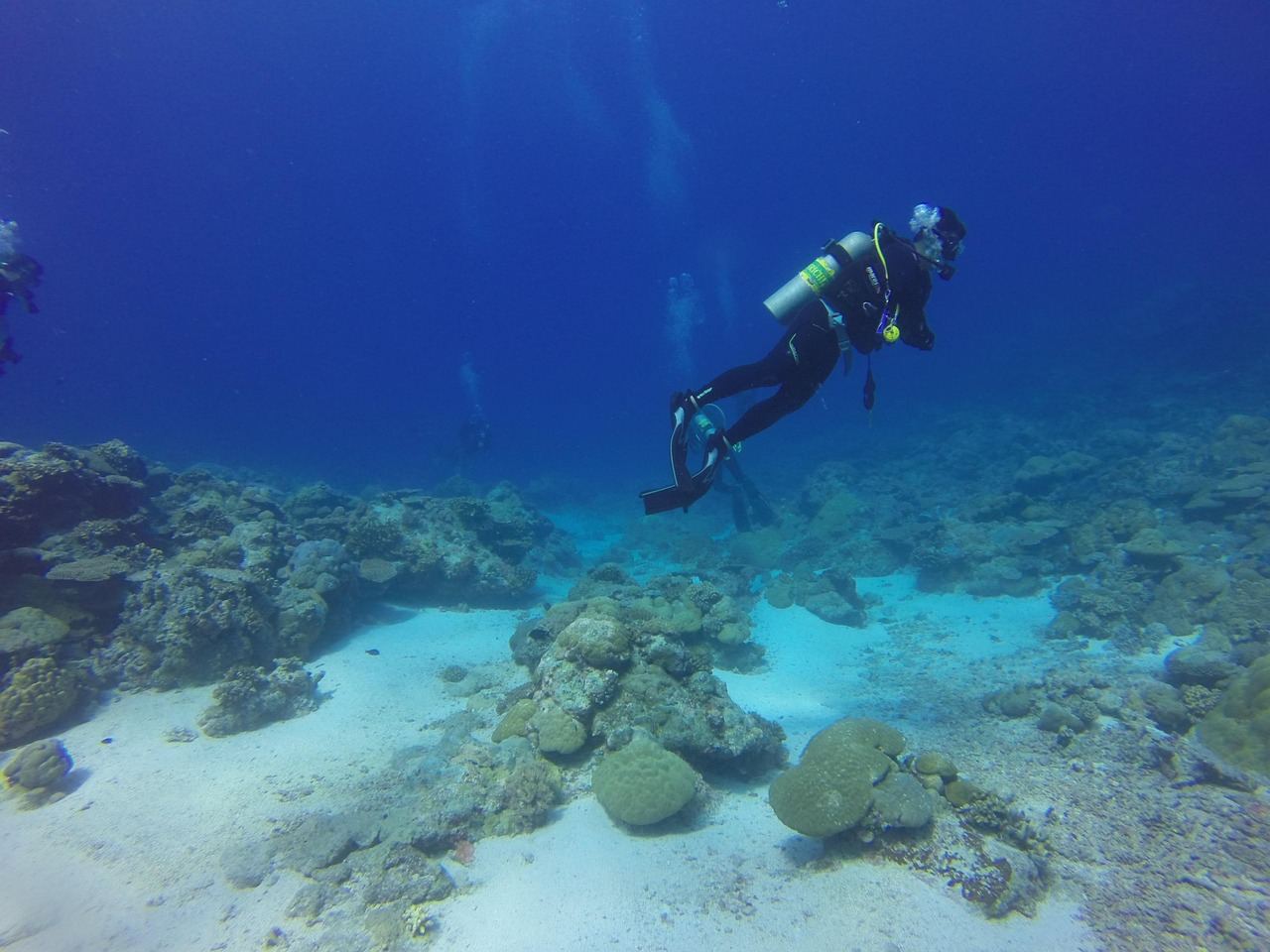
Freediving isn't about endurance; it's a practice in relaxation, where mastering discomfort beats merely holding your breath.
Learning freediving as a beginner focuses on mastering your breath-holding technique and body control for an immersive underwater experience. no tank, no regulator, just lung capacity and technique.
What separates it from casual snorkeling is the training. Breath-hold mechanics, equalization, and controlled relaxation replace the need for gear entirely.
It's closer to a mental discipline than a water sport.
Freediving involves breath-hold dives in open water or pools, where participants descend to depths of 5-20 meters using fin kicks and equalization techniques while holding their breath. Divers perform static apnea exercises on land to enhance breath-holding capacity, engage in core stability workouts, and explore underwater environments, observing marine life or collecting debris, all while emplo…
Freediving induces a flow state through prolonged breath-holds that foster deep concentration and relaxation, disrupting routine boredom. The incremental progress in depth and breath-hold times provides tangible feedback and a sense of accomplishment, while exploratory dives satisfy curiosity and promote social connections through teamwork and shared experiences.
Freediving isn't all about holding your breath until you nearly pass out. Forget the image of competitive athletes blacking out at 100 meters or the dramatic extreme sports videos.
True freediving is about relaxation, not effort. The harder you try to force depth or time, the worse you perform. Your body naturally descends better when the mind isn't fighting it.
The lungs aren't your limit. It's your nervous system's response to discomfort, which you can train in a pool on a Tuesday night. Freediving refines your ability to distinguish between "I'm uncomfortable" and "I need air" quickly.
As a beginner, your first confined water session will challenge your assumptions. It's not about breath-holding.
Imagine twenty minutes of floating face-down, doing nothing. Learning to let your heart rate drop deliberately. It feels more like meditation.
This realization changes everything. Not a breath-hold contest. A different kind of challenge entirely. Physiologically, it's closer to meditation. Techniques and sensations are where most beginners misjudge the sport. The next section will dive into what those really look like.
Watching freedivers glide effortlessly is mesmerizing. You see them dive to depths on a single breath, like they're another species entirely.
Your first session feels like the opposite. Gasping at four meters, dealing with mask flooding, and surfacing earlier than you wanted. That serene scene seems a universe away, but it's normal.
The unexpected part surfaces quickly. As you exhale, the urge to breathe is misleading. Your oxygen isn't gone yet, but that disorienting gap triggers panic. It's a lesson in letting go, rather than fighting it.
Breath-holds at the surface become familiar, but once you add depth, they challenge you again. A brief moment when your equalisation clicks feels like a victory. That one clean descent makes everything worth it — remember that feeling.
The real shift is in managing fear. You're not diving deeper yet, but you're less scared of the sensations. By continuing, you'll learn that this discomfort is just unfamiliarity, not actual danger.
Before your first pool session, get acquainted with the mammalian dive reflex. Splashing cold water on your face while holding your breath at home lowers your heart rate. It's a simple prep that makes a big difference.
When to start: Early morning
Duration: 2 hours
Cost to try: $50
Success criteria: If you float face-down for 60 seconds with slow snorkel breaths and clear your mask once, do session 2.
The idea of stocking up on air seems smart, but hyperventilating lowers CO2 levels too quickly. This can make you blackout underwater before any urge to surface.
Relax before your dive with one slow exhale and a full inhale, then start your descent within 10 seconds.
Most people instinctively kick from the knees out of habit from pool play.
Focus on driving the stroke from your hips and glutes, keeping your knees soft. Move your legs like one fluid tail.
Many assume the first diaphragm contraction signals oxygen depletion, but it means rising CO2. You probably have more time than you think.
Learn CO2 tolerance through dedicated courses so you "read" these contractions instead of panicking.
Trying to fight buoyancy at the surface drains energy, leaving you tired before reaching any depth.
Master the duck dive on the surface until your hips clear water easily, letting momentum guide you down.
Flat water doesn't mean no danger of shallow-water blackout.
Always dive with a trained buddy using a one-up, one-down rotation. No exceptions.
Freediving requires specialized spots like open water swimming areas or indoor diving pools. These need to be deep — at least 5 meters minimum for proper training.
USA Freediving is the national body in America. They organize events which are worth noting, whether you're interested in competitions now or not.
When reaching out to instructors or clubs, mention you're a beginner with no breath-hold training. This gets you into safety-focused intro courses instead of advanced sessions.
You float face-down, holding your breath as long as possible. No swimming, just pure concentration.
Great for beginners who need to build CO2 tolerance without the complexity of movement.
You'll only need a pool– no fins or rope.
Swim horizontal laps underwater on a single breath. Measure distance, not depth.
Ideal for swimmers who enjoy structured training with clear, addictive progress.
Descend and ascend using only your fins.
The go-to for deep diving, it's the foundation of most training programs.
You'll need fins, a wetsuit for depth, and a buoy setup.
Use a rope to pull yourself down and back up, without fins.
It's slower, meditative, and
excellent for divers with equalization issues at depth
Ride a weighted sled down and an inflatable bag back up.
Only for elite professionals, this discipline has a history of risks and fatalities.
The high gear costs and risk level make this far from recreational.
If this resonates, Scuba Diving explores a similar direction.
Readers who enjoy this often gravitate toward Technical Diving next.
Readers who enjoy this often gravitate toward Metal Detecting next.
Most beginners obsess over breath-hold time – longer static holds, deeper lunges, more cardio. The real ceiling isn't lung capacity.
The skill is active relaxation during the dive – specifically, the ability to consciously release tension from your face, shoulders, and hands while descending into discomfort.
Not before the dive. During it, when every instinct is telling you to fight.
A clenched jaw and rigid shoulders can cut your usable breath-hold by 20–30 seconds – not because your lungs emptied, but because your muscles burned through what was left. More pool time without this skill just trains you to panic more efficiently.
Divers who build active relaxation stop fighting the urge to surface. They learn to observe it instead, which makes it manageable rather than terminal.
Four sessions in 30 days. Enough time to find out if you and freediving click.
If you're constantly replaying your breath-hold moments and wondering how to improve, this is your signal. Sign up for a beginner certification course and avoid solo experiments.
If you enjoyed it but wouldn't miss it, don't force it. Freediving demands mental commitment, and "fine" won't push you through learning.
If the anxiety didn't fade through four sessions and it's more than just nerves, listen to that feeling. Some activities aren't a good fit, and that's clear information.
Freediving draws you in if you find yourself watching footage late at night. Just people hovering, deep underwater, still and quiet. If that captures you, it's a real draw.
Plenty of people land on freediving after browsing the full hobbies list — that's a fine place to start, too.
Looking for something lighter? Our boredom-busters guide is built for exactly that.
Beginners typically start in shallow water (3–10 meters) during their first sessions and certification courses. With proper training and practice, recreational freedivers advance to 20–40 meters within their first year, though depth depends entirely on individual capability and certification level.
Yes, freediving without proper training significantly increases risk of shallow water blackout and other serious incidents. Certification courses teach essential safety protocols, breath-holding techniques, and partner procedures that are critical for safe practice.
Most entry-level certifications (like Basic or Level 1) take 2–3 days and involve both classroom instruction and confined water training. Advanced certifications typically require additional courses spread over several sessions.
Entry-level freediving courses typically cost $300–$600 depending on location and certification agency. Equipment, gear rental, and ongoing training add additional expenses, but rental gear is available if you're unsure about investing upfront.
Essential gear includes a wetsuit, fins, mask, and snorkel for beginners. As you progress, you may invest in a weight belt, dive computer, and specialized freediving fins—most schools provide core equipment during training courses.
Most healthy individuals can learn freediving with proper training, though certain medical conditions (heart problems, epilepsy, ear issues) may prevent participation. A medical questionnaire and sometimes a doctor's clearance are required before certification courses.