BoredomBusted — Find Your Next Favorite Thing To Do
Discover hobbies, activities, places, and ideas that spark joy. Whether you're looking for something creative, active, social, or relaxing, BoredomBusted helps you find your next favorite thing to do.
Browse our hobby guides, things-to-do collections, and place ideas to never be bored again.
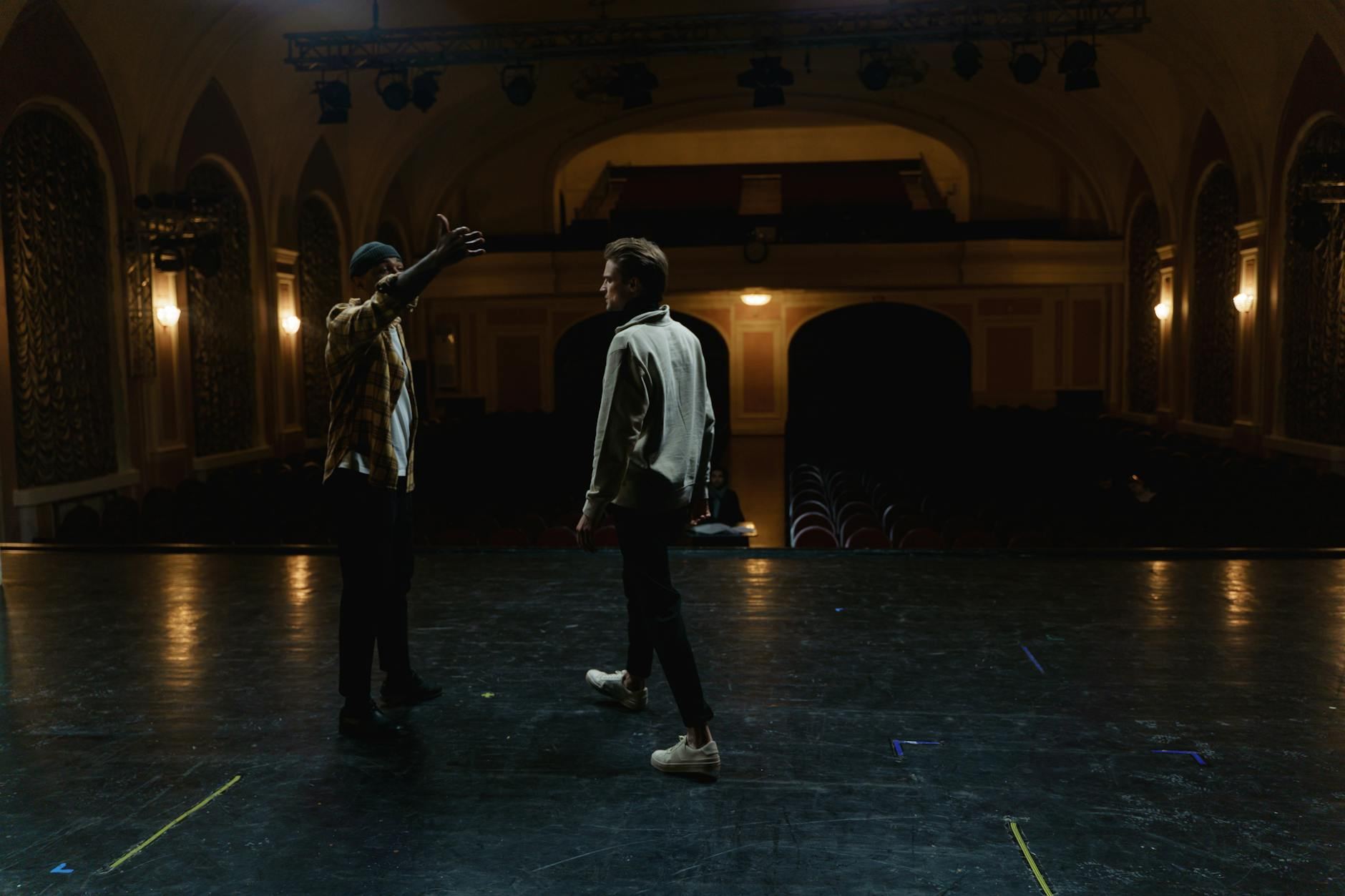
Experience the thrill of dramatic storytelling and creative expression at a performing arts theater, where each performance is a unique blend of talent, artistry, and passion.
Performing arts theaters host live plays, musicals, concerts, and dance — but the format undersells it. The moment the lights drop and the curtain moves, something shifts in the room that no screen can replicate.
The performers and the audience are sharing the same air. Mistakes, emotions, and breakthroughs happen in real time. That live tension is exactly what makes a mediocre night at the theater more memorable than a great night on your couch.
The range is wider than most people expect — from gut-punch dramas to absurdist comedies to full orchestral ballets. One performance can genuinely change how you think about a subject, a feeling, or a person.
A little prep separates a good night at the theater from a stressful one. These are the things most first-timers wish someone had told them.
Live theater pulls in a surprisingly wide crowd — here's who tends to get the most out of it.
Watching live performance changes how you see it. Playwriting hits differently once you've sat in a real house and felt how the audience breathes with a scene. The pacing, the silences, the blocking — you start reading all of it.
Musical productions open a separate door. Hearing a live orchestra or vocal ensemble in a proper acoustic space is often what pushes people to finally join a choir or pick up an instrument. The room does something a recording never can.
Scrolling gives you content. A performing arts theater gives you something that only exists once — live, in that room, on that night. That's not a small distinction.
The variety is real. One week it's a string quartet. Next week, stand-up or a touring musical. You don't need a strong opinion about theater to walk out genuinely glad you went.
New room. Different air. No notifications. The shift out of your usual environment resets your focus in a way that rearranging your weekend plans rarely does. Show up with a loose plan — or no plan at all — and it still works.
Welcome to your first visit to a performing arts theater! Get ready to immerse yourself in a world filled with drama, music, and captivating stories. If it’s your first time, you might feel a little unsure about what to expect, but that’s completely normal! Just remember, everyone is here to enjoy the show, and you’re about to be a part of something special.
First things first, plan to arrive a bit early. This gives you time to find your seat, soak in the atmosphere, and grab a program if you’d like. If you’re worried about what to wear, don’t stress! Most theaters have a casual dress code, so just wear something that makes you feel comfortable and ready for a great time.
Once you’re inside, take a moment to admire the beautiful interior—each theater has its own unique charm. If you have any questions, don’t hesitate to ask the friendly staff. They’re there to help and make your experience enjoyable.
As the lights dim and the curtain rises, prepare to be transported to another world. It’s okay to laugh, cry, or even cheer—your feelings are part of the experience! Just sit back, relax, and let the performers take you on a journey.
Remember, every performance is a chance to connect with the art and the audience around you. Enjoy the thrill of live storytelling, and have fun! You’re in for a memorable evening at the theater!
Best time to visit: Evening shows
Typical crowd level: moderate
Visitors often leave thrilled and deeply moved by the performances.
Performing arts theaters typically host a variety of productions including plays, musicals, dance performances, operas, and comedy shows. The specific lineup depends on the theater's season and venue specialization—some focus on classical theater while others feature contemporary works or experimental productions.
Ticket prices vary widely depending on the venue, production, and seating location, typically ranging from $20 to $100+ per ticket. Many theaters offer discounts for students, seniors, and subscribers, so it's worth checking their website for special pricing options.
Most theatrical performances run between 1.5 to 3 hours, including intermissions. The duration depends on the specific production—musicals and operas tend to be longer, while one-act plays or experimental pieces may be shorter.
Dress codes are generally casual to business casual for most modern theaters—there's no strict requirement unless it's a special gala or opening night event. Check the theater's website or call ahead if you're unsure about a specific production's atmosphere.
Many performing arts theaters offer family-friendly productions and matinee shows specifically designed for children. Check the theater's season schedule and age recommendations before booking to ensure the performance matches your family's interests.
Center orchestra seats typically offer the best overall sightlines and sound quality, while balcony seats may have obstructed views in some theaters. Most theaters provide seat maps online, and box office staff can recommend optimal seating based on your budget and the specific venue's layout.
Yes — a Performing Arts Theater is one of the best options when boredom strikes. It gets you out of the house, offers plenty to do, and is on the pricier side but worth it for a special outing. Whether you're solo, with a partner, or bringing the whole group, there's something to engage with.
When you're bored at a Performing Arts Theater, the key is to try something you haven't done before. Explore the less-crowded areas, challenge a friend, or use the visit to disconnect from screens and engage with your surroundings. Check the activities section above for specific ideas.