BoredomBusted — Find Your Next Favorite Thing To Do
Discover hobbies, activities, places, and ideas that spark joy. Whether you're looking for something creative, active, social, or relaxing, BoredomBusted helps you find your next favorite thing to do.
Browse our hobby guides, things-to-do collections, and place ideas to never be bored again.
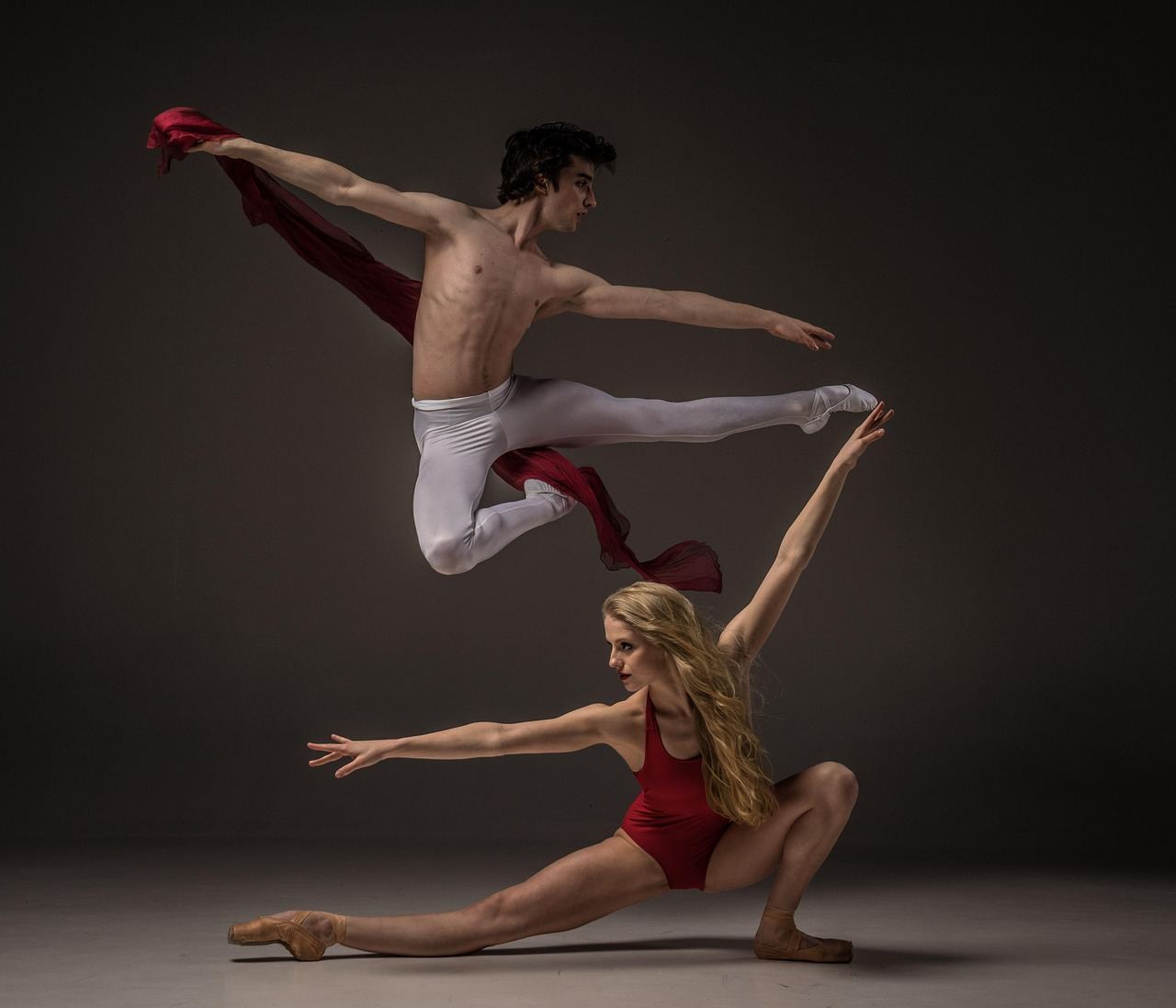
Ballet isn't just for kids — it uniquely enhances adult posture and coordination faster than any gym routine by focusing on awareness, not just movement.
Learning ballet as a beginner is a unique journey that transforms music into expressive movement through a shared vocabulary of French-named positions and steps.
You train your body to express stories through precise, controlled movement.
Every technique has a specific name, a standard form, and a purpose, unlike freer styles like contemporary or jazz dance.
In ballet, hobbyists engage in controlled body-positioning exercises like toe taps, leg beats, and relevés, focusing on deep core engagement, spinal alignment, and breath control. They perform slow, repetitive movements to build strength and stability, often using a mat for balance, and work on refining posture and technique through precise motions that emphasize coordination and endurance.
Ballet creates a flow state through its demand for simultaneous physical engagement, precise movements, and breath coordination, fostering an immersive experience. The immediate tactile feedback from refining technique provides a sense of accomplishment, while the novelty of varied routines keeps the practice fresh, combating monotony and enhancing focus.
You think ballet only belongs to little girls in pink tutus or elite athletes who started young. You've already half-decided it's not for you.That idea couldn't be more off-track if it tried.
A 43-year-old who'd never danced showed up at a beginner adult class, thinking she'd face pure embarrassment. Eight months in, she was moving through life in new ways.
Standing taller. A studio is just practice; the real change is in how you live.
Curious about starting as an adult? Here's what makes it possible for anyone to take their first step.
Watching ballet looks like controlled floating. Doing it feels like your legs are connected to your brain via a very slow dial-up connection. It's not about fitness. The issue is that your body has no idea what "turned out" actually means.
In your head, the arms are graceful. Your hips appear neutral. Balance seems obvious. Feet should just point.
Yet "turned out" doesn't come from the ankle. Arms need a clear destination. A plié isn't a squat, it's a hinge. Your right side rebels against your left.
Ballet rewards patience, not just athleticism. The people who excel aren't the most flexible, they're the ones who embrace the slowness. Stay, and accept that pace if you want to improve.
Ballet's vocabulary is all French. Your teacher won't translate mid-class. Look over a glossary beforehand so terms like "demi-plié" don't feel like an extra test on top of everything else.
When to start: Morning
Duration: 1.5 hours
Cost to try: $20
Success criteria: If you can hold first, second, and third position at the barre or chair and complete 8 slow pliés with controlled turnout, do session 2.
Ballet has you thinking the shape comes from the feet. That's why beginners push from there and end up injured.
Rotate from the hip socket in parallel first. Accept the turnout you get even if it's less than perfect.
Ballet shoe sizing throws newcomers with its difference from street shoes. Most find out the mismatch too late, after buying.
Visit a dance supply store for correct sizing. Your shoe should fit snugly with no toe bunching, nearly uncomfortable. That tension improves floor feedback.
The barre feels secure. It seems natural to hang on when you wobble.
Lightly rest two fingers on it. Steady yourself without gripping and let your core handle the real balance work.
Spotting seems like extra flair. Beginners often leave it out and hope for careful spinning.
Choose a spot at eye level before you turn and snap back to it with each spin. This keeps you grounded and stable.
Tired beginners duck out early, seeing the final reverence as a small formality.
Always stay for the reverence. Teachers offer crucial feedback and watch for commitment. Those moments count.
Ballet classes for adults can be found in dance studios, community arts centers, or even at universities that open their doors to adult learners.
When visiting a studio, make your needs clear. Ask, "Do you have a class for an adult beginner with no dance background?" This helps them understand you need foundational instruction and not a refresh.
Neoclassical ballet retains classical technique but skips the elaborate storytelling and period costumes. The movement is cleaner and faster; think Balanchine, not Swan Lake. Ideal for dancers craving modernity without losing classical roots.
Contemporary ballet blends ballet with modern dance for a looser, more experimental style. Often danced barefoot or in soft shoes, it allows for more freedom but still demands solid technique. Great for intermediate dancers seeking less rigid structures.
Character dance brings theatrical, folk-inspired forms into the ballet world. Accessible and expressive, it's perfect for beginners wanting stage experience without the years of pointe work. Costume and footwear are typically cheaper than classical gear.
Pointe work isn't a separate style but a milestone in ballet. It requires years of preparation, and pointe shoes cost $60–$120, wearing out quickly. Only pursue if you're serious and training regularly under expert guidance.
Barre classes are workouts based on ballet's conditioning exercises. You won't learn dance itself, but you'll gain strength and flexibility that ease any future transition to ballet. Perfect for beginners or adults testing waters before committing to real classes.
For something adjacent, see Folk Dance.
Ballroom Dance is a sibling pursuit and often surfaces the same kind of curiosity.
For something adjacent, see Swing Dance.
Most beginners focus too much on turnout — forcing feet wider, enduring discomfort, and chasing angle measurements.
But turnout isn't the skill. It's just a byproduct of something else.
The real skill is stabilizing through your standing leg while your working leg moves. This is what dancers call single-leg control.
Every balance and every pirouette depends on one leg stabilizing while the other moves. Without it, you're just falling stylishly.
As your hip rotators are freed from emergency balance work, your turnout improves naturally. This is why some dancers appear to 'open up' effortlessly.
Your pirouettes become reliable, and adagio combinations stop feeling like awkward transitions. Without mastering this, a year of practice can still leave you struggling at the center floor.
Eight sessions in 30 days. Aim for two each week to let your body adapt and experience the learning curve.
If every class feels like a mental break, it's more than just enjoyment. That's the cue to find a structured beginner series and stick with it for a full term.
Feeling indifferent after these sessions suggests a lack of connection. Extend by four more sessions only if you feel there's something specific you're curious about.
If you find yourself actively disinterested, it's not a shortcoming. It's simply not your activity, and that's valuable knowledge.
The real sign ballet has caught you is analyzing dance sequences from strangers or pausing videos to examine foot placement. That subtle pull of interest is the signal to watch for.
Joint issues in the hips, knees, or ankles are a major barrier. Ballet's positions can exacerbate existing injuries. Prioritize health over persistence.
Access is crucial. A nearby studio with mirrors, a barre, and live instruction matters more than you might think. These elements catch errors and foster growth, especially early on.
Irregular sessions just don't build skill. Ballet's progression relies on consistent class attendance, so sporadic participation can halt improvement.
Looking for something different? The hobbies list is the easiest way to scan what else is on the table.
If ballet feels like too much to commit to right now, browse what to do when you're bored for lower-stakes ideas.
No, adults can absolutely start ballet at any age. While professional careers typically require early training, adult beginners can still develop strong technique, improve flexibility and posture, and enjoy the artistic and physical benefits of dance. Many studios offer beginner classes specifically designed for older students.
Most beginners can grasp fundamental positions and movements within 2–3 months of consistent weekly classes. However, developing proper technique and the grace associated with ballet typically requires 1–2 years of regular practice. Progress depends on class frequency, natural ability, and individual dedication.
The essentials are ballet pointe shoes (or soft ballet slippers for beginners), ballet tights, and a leotard. You'll also need dance flooring or a suitable practice space. Most studios require a specific dress code, though rental or budget-friendly options are widely available for beginners.
Group classes at local studios usually range from $50–$150 per month for weekly sessions, while private lessons cost $30–$100+ per hour. Pointe shoes and attire add $50–$150 initially. Costs vary by location and studio prestige, with professional training programs being significantly more expensive.
Expect to learn basic positions, posture, and foundational movements at the barre (a wooden rail for support). The instructor will focus on alignment, turnout, and control rather than complicated choreography. You'll likely feel muscles working that you didn't know existed—this is normal and improves quickly.
No prior flexibility or fitness is required to begin ballet. The practice itself builds both gradually and safely over time. Instructors will show you modifications for any limitations, and consistent training will improve your range of motion and overall strength naturally.