BoredomBusted — Find Your Next Favorite Thing To Do
Discover hobbies, activities, places, and ideas that spark joy. Whether you're looking for something creative, active, social, or relaxing, BoredomBusted helps you find your next favorite thing to do.
Browse our hobby guides, things-to-do collections, and place ideas to never be bored again.
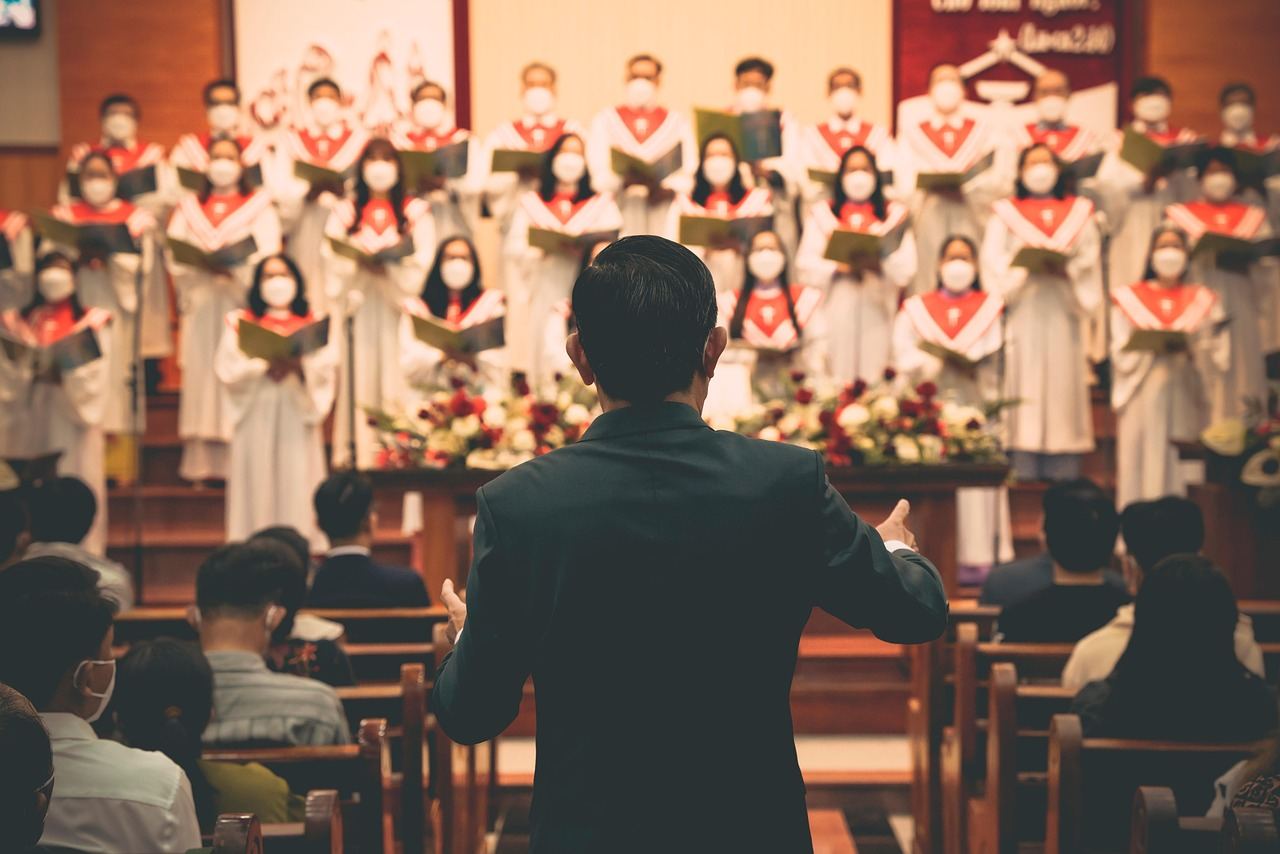
Choir singing transforms your body into your instrument, reprograms your ear faster than solo practice, and creates a profound sense of community unlike any other hobby.
Getting started with choir singing as a beginner allows you to harmonize and learn vocal techniques in a supportive group setting, where individual voices are assigned to harmony parts – soprano, alto, tenor, bass – and blended under a conductor's direction.
Unlike solo singing or karaoke, the goal isn't to stand out – it's to disappear into something bigger than your own voice.
In choir singing, participants engage in group vocal exercises, starting with warm-ups like lip trills and breathing drills, followed by listening and blending drills such as 'hunt the vowels' and 'call and response'. They practice in small groups and then join together for full choir pieces, focusing on harmony and timing, while adjusting their singing to match the voices around them, creating a…
This hobby combats boredom through social belonging by fostering physical proximity and interdependent listening during exercises, creating a sense of community. It also induces a flow state by requiring real-time pitch and volume matching, while immediate auditory feedback during group drills offers skill reinforcement and a sense of accomplishment as singers master complex pieces together.
You think choir is for church basements and school recitals. You picture matching robes, a slightly off-key rendition of something classical, and a room full of people who treat it as a polite social obligation.
This assumption is holding you back from exploring an activity that's deeply engaging and major.
A tenor in a community choir in Leeds described his first season as "learning to listen and sing at the same time – which turns out to be two completely different skills." He'd played guitar for a decade. He said choir humbled him faster, and hooked him harder.
The real question is whether you can actually do this. It's less about your voice than you think.
Standing in the choir feels nothing like watching it. You're not in sync yet, the page numbers are a puzzle, and your voice is just one among many.
Expect the first sessions to be messy. You'll find yourself fumbling through notes and discovering the real skill behind blending in.
By the third week, something shifts. You catch a glimpse of potential when the director tweaks a vowel. Suddenly, a chord resonates beautifully. It's the moment you realize singing is as much about listening to others as it is about your voice.
As frustration gives way to progress, you'll mark breaths and dynamics with a pencil. Nothing stays the same for long — your annotations change with every rehearsal. Keep showing up. The real learning kicks in when you decide to stay another week.
When to start: Morning
Duration: 1 hour
Cost to try: $0
Success criteria: If you can sing one simple song in time and stay on pitch through the chorus, do session 2.
New singers think loudness shows effort, so they start at full blast to fit in.
Drop to 60% volume. Listen to your section to blend in better than shouting ever could.
Beginners concentrate on their entry, missing that phrase endings are where choirs visibly struggle.
Watch the director's release gesture. Clean endings will improve choir unity more than extra rehearsals.
Alto accidentally learning soprano spells disaster for pitch consistency.
Record just your voice part with *Sing Sharp* or a YouTube sectional. Master it in isolation before the next practice.
New choir members take breaths wherever, even mid-word or phrase.
Mark your score with a pencil slash at approved breath spots. Treat any unmarked place as a no-go zone.
Tension in shoulders and jaw affects your tone. Directors will notice the strain before you do.
Keep your knees soft and drop your shoulders between phrases. Vowels will open naturally without extra vocal work.
Choirs often gather in church halls, community centers, and school auditoriums. These are the spots to visit if you want to see where they usually practice.
ChoirPlace.com is your go-to directory. Filter by location and voice type to find the right match.
Head to Meetup.com and search "choir [your city]" or "community chorus [your city]" for beginner-friendly groups.
The American Choral Directors Association (ACDA) has a member directory at acda.org for community and civic choirs.
Join Facebook Groups by searching for "[your city] community choir." Smaller ensembles often live here.
Walk in and say you're a beginner who wants to sing – you're often welcomed without formal training.
Directors might do a brief voice placement to determine your section, not to judge your skills.
This is the default starting point for many singers. Perfect for absolute beginners who want structure without the pressure of auditions. Most meet weekly, with fees around $20–$60 per semester for music and venue costs.
These groups are smaller with higher standards, often requiring sight-reading tests and callbacks. Best for seasoned singers after a tighter repertoire and a serious musical challenge.
Join an ensemble focused solely on voices, no instruments involved. For singers keen on developing their ear and working on close harmonies, often with pop or barbershop tunes.
Gospel choirs bring a different energy with call-and-response and improvisation. Ideal for singers drawn to rhythm and participation, preferring freedom over classical precision.
These intimate groups focus on complex early music or contemporary compositions. For skilled singers who are comfortable with solo parts, as there's often just one voice per part.
If the texture of this appeals to you, Tuba is built on similar bones.
Readers who enjoy this often gravitate toward Music Production next.
Oboe lives in the same world — different mechanics, similar appeal.
Hitting the right notes is where beginners focus. They memorize pitches and watch the conductor, worried about cracking on high notes. But the real challenge isn't pitch accuracy.
The barrier is they're still listening to themselves.
The critical skill is choral blend listening. Train your ears to hear the section's sound as a whole. Shift your focus from "am I singing correctly?" to
"does my voice disappear into the row?"
It's not about hiding. You're locking in with the group.
With choral blend listening, your tuning self-corrects in real time. You're not relying on memorization. If you don't have it,
you could sing every note perfectly and still sound out of place.
Commit to 8 rehearsals in 30 days. Aim for twice a week, which mirrors most community and church choir schedules.
If you want to return after 8 sessions, something clicked. It might be the harmony or the people. Consider sticking with the group and maybe even trying a solo to see what else this hobby offers.
Feeling indifferent means you weren't bored, but nothing grabbed you either. Try standing next to different singers or switching parts to see if a new perspective helps before you decide.
If you dreaded each rehearsal, this might not be for you. Choir involves group effort and commitment, which isn't everyone's cup of tea. Time to explore other creative avenues.
The real sign this hobby fits? You're humming harmonies while waiting in line, and naturally focus on layers in the music before the melody.
No, most community choirs welcome singers of all skill levels, including complete beginners. You'll learn to read music and develop your vocal skills as part of the choir experience. Many groups offer beginner sections or dedicated practice sessions to help new members catch up.
Typically, community choirs meet once or twice a week for 1.5 to 2 hours of rehearsal. Additional time commitment depends on whether you're performing in concerts or special events, which might require extra preparation.
Choirs perform a wide range of styles including classical, gospel, pop, jazz, folk, and contemporary music. Many community choirs blend multiple genres to keep performances fresh and engaging for both singers and audiences.
Community choir membership fees typically range from $50 to $300 per year, depending on the organization and whether concerts or materials are included. Some choirs offer free or pay-what-you-can sessions to make participation more accessible.
You'll meet the conductor, warm up your voice with vocal exercises, and learn basic parts of a piece the choir is working on. The atmosphere is usually welcoming and supportive, with experienced singers often helping newcomers feel comfortable.
Yes, choir singing naturally builds strong bonds because members work together toward a shared musical goal and often socialize before and after rehearsals. The collaborative nature of harmonizing creates meaningful connections with diverse people in your community.