BoredomBusted — Find Your Next Favorite Thing To Do
Discover hobbies, activities, places, and ideas that spark joy. Whether you're looking for something creative, active, social, or relaxing, BoredomBusted helps you find your next favorite thing to do.
Browse our hobby guides, things-to-do collections, and place ideas to never be bored again.
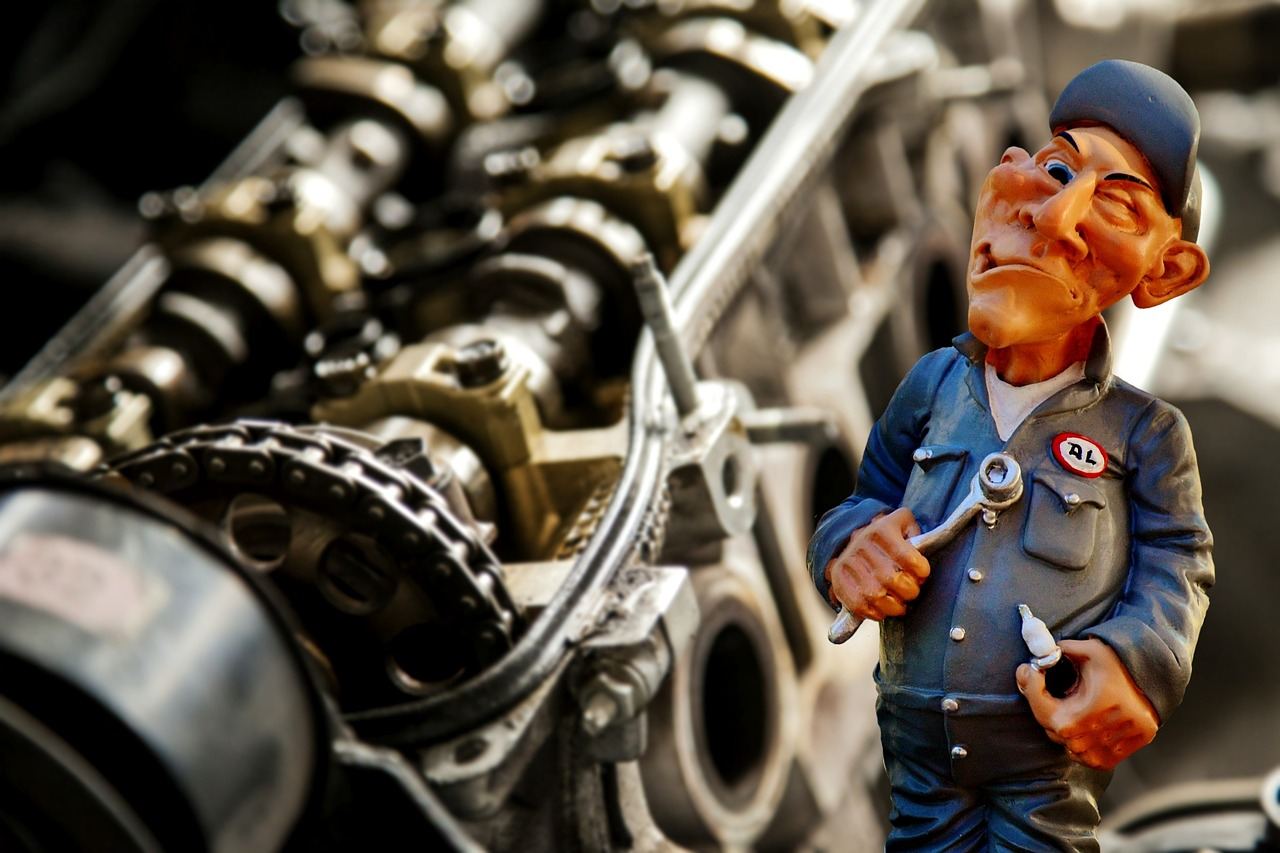
Most folks think auto repair is for the experienced—yet basic tasks like oil changes are easily learned and can save you hundreds, even thousands, yearly.
Getting started with auto repair as a beginner involves learning the fundamentals of diagnosing and fixing vehicles. It's about doing the work yourself instead of paying a professional.
You tackle problems step by step. Read the symptom. Find the cause. Fix the part.
Mistakes have real-world consequences. A bad repair can lead to trouble at 70mph, making each fix critically important.
In auto repair, individuals engage in hands-on tasks such as changing oil, swapping brake pads, and diagnosing vehicle issues. This involves using tools like wrenches and jacks to disassemble and reassemble components, as well as sourcing parts and conducting test drives to ensure repairs are successful.
Auto repair induces a flow state through immersive challenges like diagnosing faults, providing immediate feedback via test drives that reveal successes or failures. This process fosters a sense of accomplishment from restoring vehicle functionality, alongside opportunities for creative expression in customization and social belonging through community engagement.
You think auto repair is for people who already know what they're doing. You picture grease-stained veterans who learned this from a dad or an uncle — not someone who started from scratch last year.
Most shop visits aren't complex diagnosis. The bulk of what people pay labor rates to avoid is basic maintenance that takes 20 minutes once you've done it twice. Oil changes, brake pads, air filters — that's the majority of your bill, not the scary stuff.
The "you need special tools" argument is real but overstated. A $40 socket set and a floor jack cover 80% of beginner jobs. You probably already know someone with the rest.
A guy on Reddit fixed his own wheel bearing last spring. No experience — just a YouTube video, a borrowed press, and a Saturday afternoon. The part cost $35. The shop had quoted him $380.
One job.
No experience.
$345 saved.
Auto repair teaches you to read a system, not memorize a manual. Once you understand why something fails, you stop being surprised when it does — and you start catching problems before they get expensive.
The tools that get you there are cheaper and more accessible than the assumption in your head — and that's exactly where to start.
The first session doesn't look like the fluid, confident work of a seasoned mechanic. Tools feel alien in your hands, and everything takes longer than expected.
YouTube loops on the phone, knuckles scraped, and the part still won't budge. Starting out often means standing still for hours — and that's before you've touched anything complicated.
Notice how the manual simplifies everything. 'Remove the bracket' sounds easy until it tangles you up. Figuring out why it's not easy is what separates hobbyists who thrive from those who quit.
Prepare before you pick up a tool. Spray penetrating oil like PB Blaster on bolts the night before. Rusted fasteners are the main source of frustration for beginners, turning easy jobs into marathons. The next section covers the mistakes that keep people stuck in that frustrating half longer than necessary.
When to start: Early morning
Duration: 1.5 hours
Cost to try: $20
Success criteria: If you finished without damaging the part or tools, do session 2.
YouTube videos may not match your specific vehicle trim or model year.Torque specs and wiring diagrams are vehicle-specific. Get a factory service manual or a Haynes/Chilton guide for accuracy.
A $15 wrench will lie to you. It's not reliable like a $40–60 beam-style or mid-range click wrench.Calibrate your wrench against known specs before first use.
Memory won't save you when it comes to a maze of hoses.Shoot from multiple angles with your phone before disassembling anything.
Fluid names like "ATF" are misleading – dozens of incompatible formulations exist.Match the fluid spec from your manual, not just the product name.
A jack can slip, fail, or get bumped, causing severe injury.Always use jack stands rated for your car's weight before getting underneath.
Auto repair often happens in your own space. Your driveway or garage is a classic, or consider renting a bay at a community auto shop.
Makerspaces can be handy too. Many offer shared auto tool spaces for those without a lift or full socket set.
Tell any group you're a beginner eager to learn. That's often all it takes to find a mentor excited to help.
Car lovers are passionate about teaching and sharing. Lean into that energy to boost your skills.
Forget welding or complex diagnostics. Tackle oil changes, brakes, and filter replacement instead. Most repair shops overcharge for these simple jobs, costing you $80–$150 each time.
Perfect if you want to understand your car while saving money. A basic tool kit for $100–$200 quickly pays for itself.
Engine rebuilding involves pulling everything apart and reassembling it. This slow, satisfying process is not for the weekend warrior but offers deep mechanical insight.
Specialty tools and parts can cost $500–$2,000+. Ideal if easier repairs are no longer fulfilling.
Modern vehicles are as much about electronics as mechanics. Working with a scan tool to solve problems means patience is more crucial than physical skill. It's about solving puzzles rather than turning wrenches.
A basic OBD-II scanner starts at $30, but pro units can cost hundreds.
Restoring a classic car involves sourcing discontinued parts and delays. **The journey is the hobby, not just the result.** Expect long timelines as the car rarely runs during restoration.
Budgets can swell — a $2,000 project turns into $15,000 with rare parts.
Performance mods like turbo kits and suspension upgrades shift focus from repair to tuning. They add an engineering twist. Not for first-timers, but thrilling if maintenance is old hat.
For something adjacent, see IoT Projects.
Another variant that pulls from the same roots is Programming.
A close neighbor worth considering: Web Development.
Beginners chase part names and torque specs. Those matter eventually. But they don't change how fast you improve.
Diagnostic sequencing is what separates people who fix cars from people who replace parts until something works. It means tracing a fault from symptom to root cause in logical order — no guesswork, no skipping steps.
Wrong path. Wasted parts. Another trip to the auto store. When a warm engine cranks slowly, the fault is almost never the battery — it's the starter circuit, and testing voltage drop across the solenoid tells you that before you touch anything else.
Skipping sequencing doesn't just waste money on parts. It means you never know if you actually solved the problem or got lucky.
That uncertainty compounds. Each repair feels harder than the last because nothing is building toward real understanding.
Apply these consistently and the sequence stops feeling like a checklist — it becomes instinct.
Once this thinking is automatic, the next question becomes which tools actually support it — and which ones slow you down.
Four sessions over 30 days. Space them roughly a week apart — enough time to notice whether you're thinking about the last job or just waiting for it to be over.
If you're watching diagnostic videos about problems your car doesn't have, that restlessness between sessions is the hobby, not the sessions themselves. Start building a basic tool set and pick your next project deliberately — something that stretches the skill you just used.
If completing the tasks left you flat — not frustrated, just unmoved — that's not a verdict yet. Following instructions and diagnosing a problem are completely different experiences. Try one session where you identify the fault before you fix it. That diagnostic layer is where most people either connect with the hobby or confirm they don't.
If you were watching the clock and counting down to done, that's a clean answer. Enjoying cars and enjoying mechanical work are not the same thing — plenty of people love driving and have zero interest in what's underneath. Neither is a flaw.
The sign that it's working: you're mentally cataloguing a weird noise at a stoplight — running a diagnosis in your head before you're even home.
Looking for something lighter? Our boredom-busters guide is built for exactly that.
Starting costs range from $300–$1,000 for basic tools like wrenches, screwdrivers, a jack, and jack stands. As you progress, you may invest in specialized diagnostic tools ($500–$2,000+) and a workspace setup. Many beginners start with just essential hand tools and gradually build their collection as they tackle more complex repairs.
No—most hobbyists start with zero experience and learn through hands-on practice, YouTube tutorials, and repair manuals. Starting with simpler tasks like oil changes, filter replacements, and brake maintenance builds confidence before moving to engine or electrical work. Patience and curiosity matter far more than existing knowledge.
You can handle routine maintenance tasks within 2–3 months of regular practice. More complex work like brake system repairs or electrical diagnostics typically takes 6–12 months to develop solid competency. The timeline depends on your learning pace, the types of repairs you attempt, and how frequently you practice.
Essential starter tools include a socket set, wrenches, screwdrivers, pliers, a jack and jack stands, a work light, and a basic multimeter for electrical issues. You'll also want oil drain pans, ramps, and safety gear like gloves and eye protection. A repair manual for your specific vehicle model is invaluable for reference.
Yes, if you prioritize safety—proper jack stands, wheel chocks, and working on level ground are non-negotiable for preventing accidents. Start with low-risk tasks and never work on systems you're unsure about; consulting guides or experienced mechanics for guidance keeps you safe. Many beginners successfully perform routine maintenance without incident when they follow best practices.
Labor costs at shops typically run $80–$150+ per hour, so DIY repairs save hundreds to thousands annually depending on what you fix. An oil change might save $30–$50, while brake work could save $200–$400 per axle. The savings grow quickly once you handle multiple repairs, though you'll recoup tool investment within the first year or two.