BoredomBusted — Find Your Next Favorite Thing To Do
Discover hobbies, activities, places, and ideas that spark joy. Whether you're looking for something creative, active, social, or relaxing, BoredomBusted helps you find your next favorite thing to do.
Browse our hobby guides, things-to-do collections, and place ideas to never be bored again.
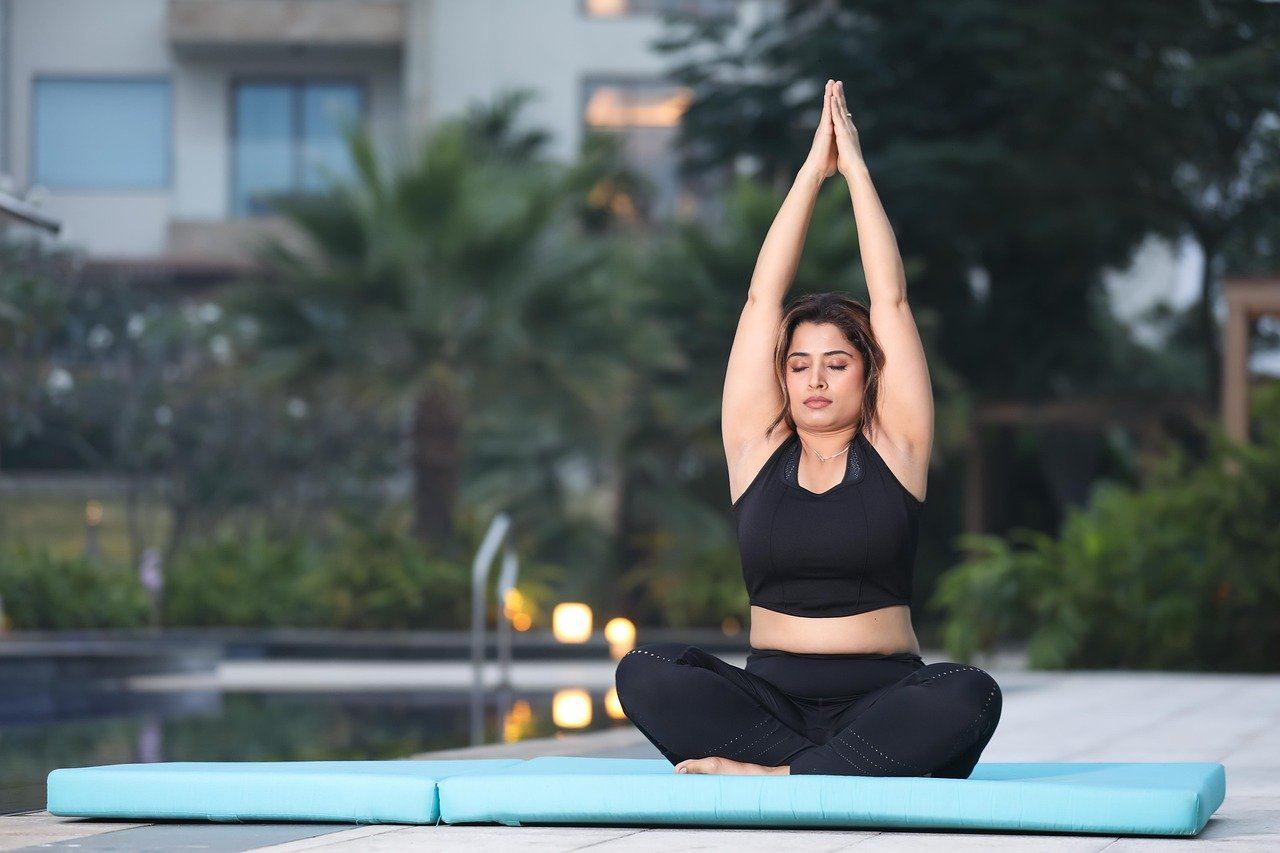
Box breathing isn't just a quick relaxation technique — it's a systematic training for your nervous system, enhancing your stress response readiness long-term.
Learning box breathing as a beginner can be a straightforward method to enhance your focus and relaxation through a simple rhythmic pattern. It consists of inhaling, holding the breath, exhaling, and pausing, each for a count of four. This technique helps to calm the mind and reduce stress, making it a valuable tool for anyone looking to improve their mental clarity and emotional well-being.
Regulating CO2 through this symmetry is what pulls your nervous system out of stress mode.
It's a fixed, trainable protocol with a measurable physiological effect.
In box breathing, you sit or stand comfortably and engage in a structured breathing pattern where you inhale for 4 seconds, hold the breath for 4 seconds, exhale for 4 seconds, and hold the empty breath for another 4 seconds, repeating this cycle for a set duration or number of times.
Box breathing fosters improved focus by creating a structured rhythm that allows for mental clarity and emotional regulation, helping to break the cycle of overwhelming thoughts and providing a moment of control amidst chaos.
You think box breathing is a relaxation trick for handling stress before big moments. Do it quickly, then move on.
That assumption leads to mild results. Many people try it briefly and conclude it's not effective.
A combat controller shared his experience with box breathing. He practiced it daily according to a military performance researcher, not during stress but every morning. When pressure hit, his body already knew how to stay calm.
The real benefit is what consistent practice builds over time. It's about training your body's response long-term.
Next, we'll explore what your first real session feels like and the one mistake that makes people quit early.
Watching a box breathing demo takes 90 seconds. Doing it yourself, in a quiet room, feels completely different. The counting feels mechanical. The silence feels louder than expected. Most people last about four minutes before they check their phone.
Initially, you're breathing on autopilot with mild background anxiety and no real awareness of your inhale. Restlessness you didn't notice before becomes apparent.
Then, counting feels awkward. Four seconds seems long, but something shifts around minute three. You're not sure what, but something.
During the first week, the four-count feels arbitrary. You might rush it without even realizing. In the second week, you'll notice the hold is when your mind actually gets loud, and that's intentional. By week three, the rhythm starts arriving before you consciously set it — a sign it's working. By week four, you'll catch yourself using it in real moments. Meetings, lines, bad minutes become manageable. It won't feel like a technique anymore.
In the beginning, it's awkward. Then it's annoying. Finally, it's quiet. It doesn't get easier because you get calmer—it gets easier because you stop fighting the four seconds and start using them.
Set a physical anchor for each count — tap a finger, trace a square on your knee, or press a thumb across four knuckles. Without it, the count drifts and you spend the session correcting instead of breathing.
When to start: Early morning
Duration: 30-45 minutes
Cost to try: $0
Success criteria: If you can complete 8 full 4-4-4-4 breathing cycles and keep your shoulders, jaw, and chest relaxed, do session 2.
Counting seconds interferes with relaxation. It shifts your focus to math, not calm.
Set a metronome app to 60 BPM. Each beat marks a second, freeing your mind to just breathe.
Beginners often skip holding after the inhale because it feels strange. This shifts focus to CO2 tolerance instead.
Hold for four counts after inhaling, before exhaling. That's where your nervous system actually resets.
Breathing from your chest cancels out the calming effect, like accelerating and braking together.
Place a hand on your belly before starting. If it doesn't move outward when you inhale, keep adjusting.
Long counts seem more beneficial online, but they often lead to strain rather than calm.
Start with a 4-second box for two weeks. Focus is on your parasympathetic response, not bragging rights.
Trying to learn box breathing mid-crisis is like learning to swim when you're already drowning.
Practice with a 5-minute session every morning. You'll have it ready when real stress hits.
Box breathing works anywhere. A chair, a parked car, or even a bathroom stall can be your retreat for four minutes of focus. Yoga studios and meditation centers also offer guided sessions incorporating this practice.
There's no national organization for box breathing in the U.S. It spans yoga, sports psychology, and military training. This diversity means it lacks a centralized authority.
Tell instructors you're new and focusing on stress regulation, not performance. This often prompts extra guidance on posture and pacing—where beginners typically falter.
Standard box breathing uses equal counts. This differs with an extended exhale of eight counts. It's this long exhale where the anxiety-drop occurs.
Best for those who find equal breathing too subtle or struggle to wind down before sleep.
This is slower than the original with six counts per side instead of four. The same shape, just extended.
Most beginners rush to this thinking longer means better. It doesn't.
Start with four counts, then scale up if needed.
This skips the holds: just a slow inhale followed by a slow exhale. It's like an on-ramp to breathing exercises.
Graduate to full box breathing once the rhythm feels natural.
Matches standard box breathing with four-count holds, but is used differently. Focuses on context and intention.
Used before high-stakes events like a presentation or race, not after stress.
This abandons the box structure altogether. It's a 5.5-second inhale followed by a 5.5-second exhale.
The rhythm linked to heart rate variability improvements.
Some of the same instincts show up in Holotropic Breathwork — worth a look if this clicked.
If this resonates, Gratitude Journaling explores a similar direction.
Intentional diaphragmatic anchoring is the skill that matters. It's about consciously dropping each inhale into your belly before counting, setting the foundation for effective breathwork.
With the anchor, your nervous system shifts. Heart rate variability improves. Exhales feel like a release, not a task. Without it, box breathing is just counting in silence.Your body stays braced when nothing physical tells it to let go.
This focus on the physical cue transforms your experience. Up next, explore how consistent practice reinforces this skill.
Twelve sessions over 30 days. Aim for one every two to three days without forcing a routine.
If you find yourself practicing without a reminder, that's a strong sign. You immediately reach for box breathing when stressed. This means it resonates deeply. Extend sessions to 15–20 minutes and play with different ratios.
Feeling indifferent after 12 sessions suggests routine without connection. Try eight more sessions with a relaxed approach. Pay attention to your exhale hold. If nothing shifts, it's likely not suited for you.
If sitting still felt wrong, acknowledge that as valuable data. Breath focus can heighten anxiety instead of soothe it. That's important insight.
The real sign it clicks for you is when it slips into your life effortlessly. If you're in traffic and think 'four counts,' it's not just an app exercise anymore. It's instinct.
Looking for something different? The hobbies list is the easiest way to scan what else is on the table.
When you don't want to commit, things to do when bored is a better starting point.
Most people can learn the basic technique in 5–10 minutes and start experiencing benefits immediately. However, building consistency and mastering deeper diaphragmatic control typically takes 2–4 weeks of regular practice.
Box breathing is a rhythmic pattern where you inhale for 4 counts, hold for 4 counts, exhale for 4 counts, and hold empty for 4 counts—repeating this cycle. This controlled breathing activates your parasympathetic nervous system, reducing stress hormones and promoting calm focus.
No equipment is needed—you can practice box breathing anywhere, anytime. A quiet space and a few minutes are all you need, though a timer or breathing app can help you maintain the rhythm at first.
Yes, box breathing is one of the most beginner-friendly breathing techniques and requires no prior experience. The simple 4-4-4-4 pattern makes it accessible for all ages and fitness levels.
Practicing 5–10 minutes daily, even just once a day, produces noticeable benefits like reduced anxiety and improved focus within a week. Some people practice multiple times daily during stressful periods for faster relief.
Yes, box breathing is particularly effective for both anxiety and sleep issues because it signals your body to relax. Many people use it before bed to calm racing thoughts or during the day to manage sudden stress.