BoredomBusted — Find Your Next Favorite Thing To Do
Discover hobbies, activities, places, and ideas that spark joy. Whether you're looking for something creative, active, social, or relaxing, BoredomBusted helps you find your next favorite thing to do.
Browse our hobby guides, things-to-do collections, and place ideas to never be bored again.
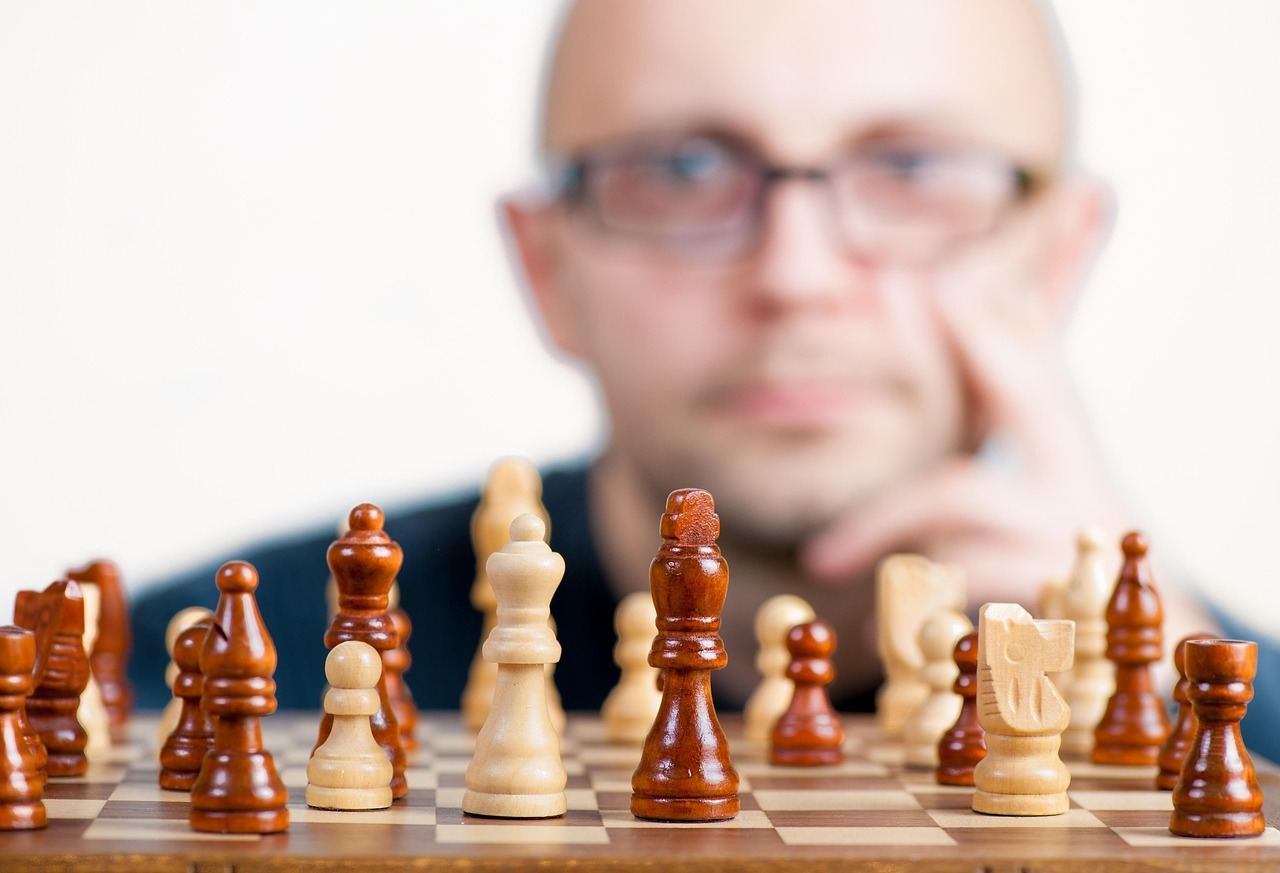
Chess isn't about genius; it's an emotional workout where social banter and learning from losses keep players coming back for years.
Getting started with chess as a beginner involves understanding the basic rules and strategies for maneuvering your 16 pieces across a 64-square grid, trying to trap your opponent's king.
Unlike checkers or other abstract games, every piece moves differently – and those asymmetric rules are what create essentially infinite strategic depth from a fixed starting position.
In chess, you engage in structured sessions where you solve between 1 to 25 tactics puzzles, play rapid games against opponents on platforms like Chess.com, and analyze your games afterward to identify errors and learn from them, often using a physical board for a more immersive experience.
Chess combats boredom by creating immediate skill feedback loops through puzzle accuracy and game outcomes, fostering a flow state that immerses you in the challenge, providing a sense of accomplishment from structured wins, and maintaining engagement through varied opponents and positions.
You think chess is for geniuses: minds that memorize moves and feel nothing.
That's the story you've convinced yourself of. And it's keeping you from discovering a hobby filled with unexpected connections and challenges.
Chess is about recognizing patterns, not just about brainpower. It's like building a library in your mind, not doing math on the fly at the board.
The emotional side is raw. Managing panic after a mistake is a core skill, weaving into everything else in life.
And chess is far from solitary. Club players banter, discuss strategy after games, and dive into openings debates like they're passionate about their favorite bands.
At a beginner club night, someone might lose their queen early. They might laugh, then get into a forty-minute discussion with their opponent about what went wrong. That post-game conversation is why people return. It's raw, honest, and obsessive.
Learning the moves is quick. But there's a depth beyond the mechanics that keeps players engaged for years, and that's where the story continues.
The sensation of playing chess can feel disorienting at first. It's like thinking in a language you've never learned. Watching chess seems like observing deep contemplation, but being the one making decisions is a different story.
Pieces feel like a jumble, with every move equally mystifying. The board looks like a mess of randomness, but this confusion is where focus begins to develop.
In your first week, expect total losses. These may come before move 20, leaving you bewildered, but that's part of learning.
By week two, you'll identify why you're losing. It's uncomfortable, but it signals growing understanding.
A win might come during the third week. Immediate skepticism about your opponent's skill may follow, but acknowledge your progress.
Entering week four, your personal style begins to surface unintentionally. Whether cautious or bold, it's distinctly yours.
Know about the back rank checkmate before your first game. It's a common trap for beginners, but awareness will both shield and enable you.
Expect ten straight losses with no clear reasoning. Chess isn't about instant rewards. Those who treat each loss as a learning opportunity, not a defeat, find the deeper satisfaction.
When to start: Early morning
Duration: 1 hour
Cost to try: $0
Success criteria: if you finished without fully understanding the rules, do session 2.
Every square seems crucial to a beginner. This leads to reactive moves instead of proactive ones.
State what your piece is doing before each move—attacking, defending, or improving position. If you can't, think of a different move.
Beginners often chase pawns on the edges. Moves like these feel low-risk but misguided.
Start with a pawn to e4 or d4, then focus on developing your knights and bishops toward the center. Keep it straightforward.
Two-move threats feel thrilling, prompting early attacks without development. Your pieces are idle while your rival builds a defensive fortress.
Don't attack until both knights, both bishops, and your king are castled. Development first.
You build a plan and stick to it, forgetting your opponent even exists, let alone moves.
Ask "what does that move threaten?" right after your opponent plays. One second of extra consideration avoids many blunders.
Beginners often play just for checkmate, making them lose focus after queens disappear.
Practice how a king and rook can force a checkmate on lichess. Your king needs to stay active to succeed.
Chess is everywhere — from kitchen tables to park benches. You'll also find it in libraries and dedicated club rooms.
Community centers and libraries are key locations, with many offering free drop-in sessions.
Walk in and say, "I know the basics but I've never played in a club setting." It gets you a patient opponent at your level.
Blitz chess uses all the standard rules but with tight time constraints, generally 3 to 5 minutes per player. Ideal for those who know the basics and want to sharpen their instincts without time to overthink.
Chess960 mixes up the back rank, so you can't rely on memorized openings. It balances the field between casual players and theory experts, keeping things fresh for intermediate players.
Bughouse involves passing captured pieces to your partner who can place them back on their board. Communication is key, making it perfect for groups of four familiar with regular chess, looking for a social twist.
Four-player chess is played on a board shaped like a plus, incorporating four separate armies. Alliances shift quickly, providing party-style fun that still demands strategic thinking. Chess.com has a free version available.
In Crazyhouse, captured pieces switch sides and can be redeployed as your own. Material advantage gets a makeover, providing a fresh challenge for seasoned players.
For something adjacent, see Shogi.
Most beginners get stuck trying to memorize openings and calculate combinations. They think calculation is the key.
The real unlock is evaluating piece activity. Can you instantly see which pieces contribute and which just occupy space?
It's more than "my bishop is on a good diagonal." Ask if a piece influences the center or supports an attack right now.
If not, it's not your asset. It's your problem.
When you identify active versus dead pieces, decision-making becomes clear. You stop asking, "what should I do next?"
Instead, you ask, "which piece needs freeing, and what does it cost?" Without this, players don't lose outright but slowly get smothered.
Those who "see deeper" aren't just calculating better. They're faster at judging piece activity.
After each move, identify your worst piece.
Ask what specific action makes it useful, one answer only.
Try "board audit" puzzles: rank each piece as active, passive, or dead before seeing whose turn it is.
Review lost games and mark moves where you improved active pieces over rescuing passive ones.
Twelve sessions over 30 days. That's about three per week — enough to surpass the initial uncertainty without burning out before anything clicks.
You're thinking about positions even after stepping away from the board.You're wired for this. Chess players replay games in their minds. If this is you, start studying one opening and find a playing partner.
You finish sessions but don't think about chess inbetween.That's probably your real answer. Most quitters report this feeling by week three. You could stretch it to 20 sessions, but the outcome likely stays unchanged.
You dreaded every session, not just as a challenge but as something you'd avoid at all costs.That's a clear signal. Chess rewards those who enjoy problem-solving. If it's just homework for you, this isn't the hobby for you.
You start noticing patterns in everyday situations like traffic or negotiations as if they were chess ideas.That's your pattern-recognition reflex kicking in. It's a clear indicator that chess resonates with you.
If chess feels like too much to commit to right now, browse what to do when you're bored for lower-stakes ideas.
Most people can learn the piece movements, board setup, and basic tactics within a few hours of practice. To play competently and understand fundamental strategy, expect 2–4 weeks of regular practice. Reaching intermediate skill takes months of consistent study and play.
At minimum, you need a chessboard and pieces, which cost as little as $10–20 for a beginner set. A clock becomes important for tournament play, but casual games don't require one. Many people play online for free using platforms like Chess.com or Lichess.
Chess is easy to learn but difficult to master—the rules are simple enough for beginners to grasp quickly, but strategy deepens over years of play. No prior experience or special talent is required to start; with basic instruction, anyone can begin playing immediately.
You can start completely free with online platforms like Lichess or Chess.com that offer unlimited play and lessons. If you prefer physical boards, budget $15–50 for a quality beginner set. Coaching, tournaments, and books are optional expenses that come later if you want to improve seriously.
Chess strengthens critical thinking, pattern recognition, planning ahead, and decision-making under pressure. It also improves focus, patience, and teaches you to anticipate opponent moves—skills that transfer to problem-solving in other areas of life.
Yes, you can enjoy chess purely for fun without memorizing openings or studying theory. Many casual players focus only on playing games and learning from experience. Formal study enhances improvement, but it's not necessary to have a good time.