BoredomBusted — Find Your Next Favorite Thing To Do
Discover hobbies, activities, places, and ideas that spark joy. Whether you're looking for something creative, active, social, or relaxing, BoredomBusted helps you find your next favorite thing to do.
Browse our hobby guides, things-to-do collections, and place ideas to never be bored again.
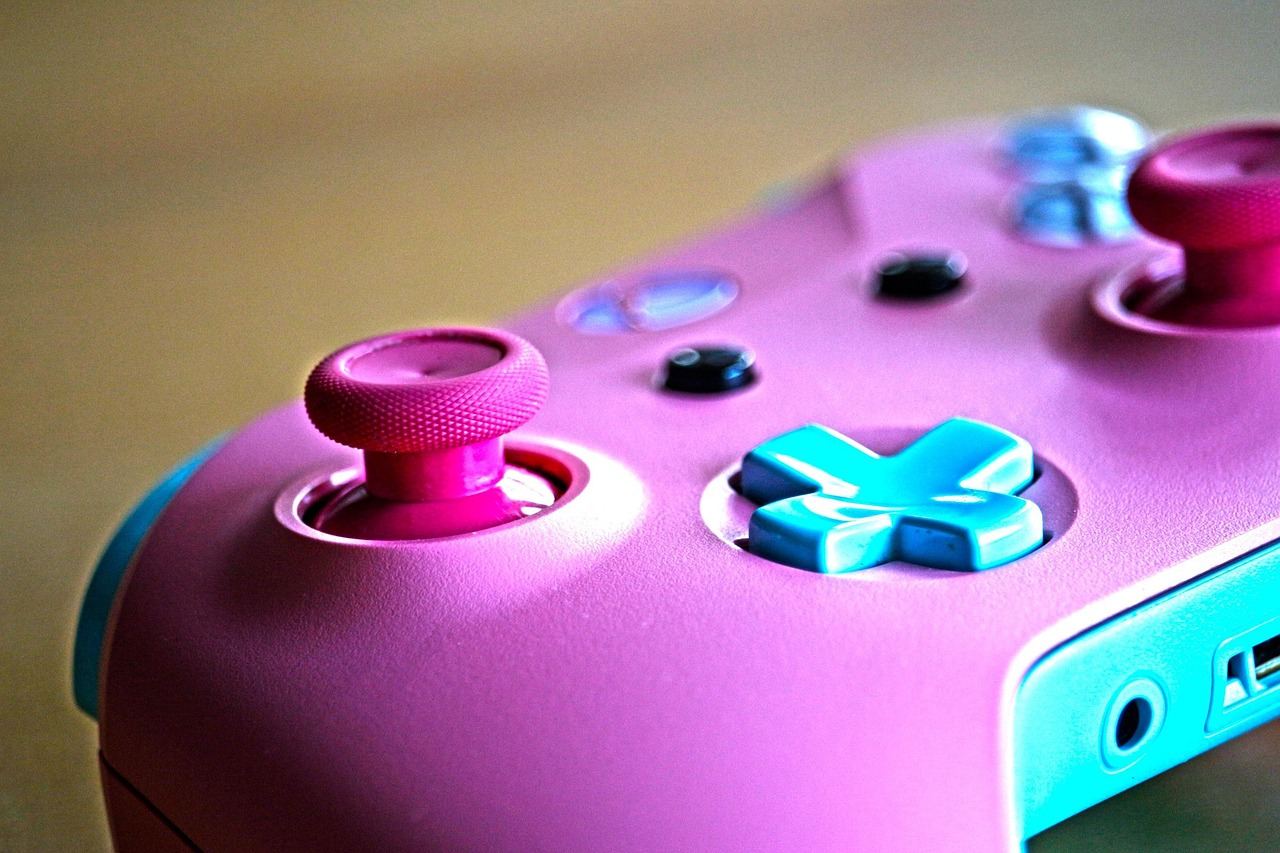
Console gaming is not just a teenage pastime but a platform for deep narrative experiences and emotional engagement that rivals great literature.
Getting started with console gaming as a beginner offers an immersive experience on dedicated devices like PlayStation, Xbox, or Nintendo Switch, all connected to your screen.
You buy or download games, pick up a controller, and play.
What separates it from PC gaming isn't just the hardware — it's the simplicity:
In console gaming, players engage with a controller to navigate immersive worlds, executing precise physical actions like pressing buttons for attacks or moving analog sticks for character control, often for sessions lasting 60 to 120 minutes. They also tackle real-time challenges, solving puzzles or completing quests, while occasionally performing motion-based movements in games like Ring Fit Ad…
Console gaming combats boredom by inducing a flow state through adaptive challenges that match skill levels, while skill feedback loops provide instant rewards for accomplishments, fostering a sense of belonging in multiplayer settings and ensuring engaging, varied experiences through ongoing updates and mini-games.
You think console gaming is something you outgrow. A teenager's hobby. Something you do when there's nothing else going on.
That assumption is costing you one of the most genuinely varied creative experiences available right now.
Take The Last of Us. Players who "don't like games" sit down expecting to mash buttons for two hours. They finish it emotionally wrecked, having made genuine moral decisions, the same way they do after a great novel.
That's not a coincidence – it's the design intention
Curious about starting? Let's break down how to jump in and what gear you really need.
Picking up a controller and watching someone else play seems effortless. The controls appear intuitive, and the game seems to respond on its own.
The reality hits fast —that first hour isn't easy. Thumbs clash, the camera defies your intentions, and even a tutorial enemy can become a challenge. The controller doesn't fit quite right in your hands.
Gradually, things start to feel different. Muscle memory forms, allowing the camera to follow your lead. You transition from battling boxes to facing genuine challenges. You replay without conscious thought, a sign things are sinking in.
Week one feels like grappling more with the controller than the game. Buttons are your focus while others seem to navigate the game instinctively.
By week two, you no longer glance at the controller. This shift reveals another layer of challenge—aiming with the thumbstick remains a work in progress.
Week three marks the start of genre fluency. Movement becomes intuitive in one game type, though you're clumsy elsewhere.
Week four holds a revelation. Replaying earlier levels shows progress—you're not just enduring; you're actively engaging.
Quitting often feels tempting at week two. It's not an indicator of talent, just a common hurdle that many who improve face.
Adjust the controller's thumbstick sensitivity before you start. Games usually default to settings for seasoned players. Lowering the sensitivity can reduce the annoyance of overcorrecting.
When to start: Morning
Duration: 1.5 hours
Cost to try: $0
Success criteria: If you clear one full mission or match and can repeat the game’s main objective without restarting, do session 2.
Default sensitivity settings are great for demos but not serious play. Manufacturers focus on what's flashy and responsive in stores.
Tweak your settings right away: drop look sensitivity by 30–40%. Your aim will be slower but far more accurate.
Tutorials look easy and boring, leading many to skip them. That's a mistake. Understanding the game controls without distractions helps them stick quicker.
Power through the tutorial at normal speed. It makes gameplay smoother and less frustrating.
Trailers make every game look appealing, and new gamers often don't know what genre they'll enjoy long-term.
Try services like Xbox Game Pass or PlayStation Plus. They let you explore multiple genres at a fraction of the cost.
Audio cues like footsteps and reload sounds are crucial. Speaker setups in noisy rooms drown them out, reducing your ability to react.
Invest in a $30 wired headset. It's a small price for a big upgrade in awareness.
New maps feel overwhelming before you learn them. Everyone goes through a tough phase where games seem unfair before they click.
Set a personal rule to finish a session before quitting. Don't stop midway through a frustrating moment.
Most console gaming happens in the comfort of your own home. But if you want more action, gaming cafes and esports arenas can provide a larger setup and buzzing atmosphere. These venues are common in mid-sized cities.
Search Meetup.com for "gaming night [your city]" or "console gaming [your city]." These are laid-back groups, perfect for casual gaming without the pressure of competitive leagues. Plus, they're often free!
Find a Discord server for your platform or game by using server discovery: look up "PS5 community," "Xbox players [region]," or type in your game's title. Most active games have regional servers.
Connect with your local esports scene via the National Esports Association (NEA). You can also explore PlayVS.com, which organizes structured console leagues and helps you find teams nearby.
Reddit's r/GamerRequests and r/FindAGroup communities let you post your game, platform, and timezone. If your game is popular, you'll likely get replies quickly.
Play modern games on a device you can take wherever you go. No need for a TV or couch.
Ideal for gamers who like short sessions or travel often. The Nintendo Switch is your go-to; for about $400, the Steam Deck brings PC games to handheld life.
Enjoy older hardware and games on purpose. These retro games are quicker and easier on the wallet.
Perfect for those overwhelmed by never-ending modern games. Original consoles with cartridges can add up, but the Anbernic RG35XX is a budget emulator under $60.
One console, one room, just add friends and a second controller.
Made for social gaming — it's about the shared experience.
Compete online in ranked modes against strangers for real stakes.
Great for those who thrive under pressure. Not for beginners unless you find motivation in losing as part of the process.
Stream games via subscription without needing any console hardware.
Try it if you want console games without a big investment. Xbox Game Pass Ultimate offers cloud streaming for about $15/month, but ensure you have a strong, stable internet connection.
A close neighbor worth considering: Mobile Gaming.
A close neighbor worth considering: MMORPG Gaming.
Readers who enjoy this often gravitate toward Fighting Game Competition next.
Another variant that pulls from the same roots is Classic Board Games.
Pre-aiming is the one skill that sets skilled players apart. Beginners often think they need to be faster – faster reactions, faster button presses. Speed isn't the bottleneck. Position your camera or character where a threat will appear, before it actually does.
Pre-aiming nullifies the need for split-second reactions. It means you're already looking at the answer before the question is asked. Without pre-aiming, you lag behind, feeling outpaced. Predicting is the real game-changer, not raw speed.
Mastering pre-aiming transforms your gameplay. The next section explores where this skill impacts your results the most.
Thirty days. Twelve sessions. That's three sessions a week, giving you enough time to get familiar with the controller without overwhelming your schedule.
If you can't stop thinking about the game—replaying decisions in your head or eagerly waiting for your next chance to play—you're probably hooked. Focus on the game genre you enjoyed the most and dive deeper.
Feeling neutral after twelve sessions often means a genre mismatch. Try experimenting with a different type of game—maybe something more competitive or story-driven—before moving on.
Actively dreading each session and watching the clock is a clear signal. Not every hobby fits everyone, and forcing it won't change that. This isn't a flaw, just an indication to try something else.
That low-level pull toward other people's screens is the signal. If you find yourself watching game streams more than you'd expect, it might mean the interest is genuine.
Looking for something lighter? Our boredom-busters guide is built for exactly that.
Looking for something lighter? Our boredom-busters guide is built for exactly that.
A modern console (PlayStation 5, Xbox Series X, or Nintendo Switch) typically costs $300–$500, but you can find used models for less. You'll also want to budget for games ($40–$70 each) and an optional subscription service like PlayStation Plus or Game Pass ($10–$20 monthly). Starting with one or two popular games and gradually building a library keeps initial costs manageable.
Casual gaming focuses on enjoying games at your own pace with flexible difficulty settings, ideal for relaxation and story-driven experiences. Competitive gaming emphasizes ranked multiplayer matches, skill-building, and real-time competition against other players online. Both coexist on modern consoles, so you can choose your preferred playstyle.
Basic competence comes within days or weeks of regular play, depending on the game. Reaching competitive levels typically takes 50–200+ hours of practice, especially in skill-heavy titles like fighting games or FPS games. Casual players can enjoy games meaningfully from hour one without needing advanced skills.
Nintendo Switch is ideal for beginners due to its accessibility, portability, and family-friendly games. PlayStation 5 and Xbox Series X offer cutting-edge graphics and large exclusive game libraries if you want immersive experiences. Choose based on exclusive games you're interested in, as each console has unique titles that define its community.
Yes, PlayStation Plus is required for online multiplayer on PlayStation consoles, while Game Pass (or Xbox Live Gold) is needed on Xbox. Nintendo Switch Online offers the same feature at a lower cost. These subscriptions also include monthly free games and exclusive discounts, making them good value even if you play casually.
Console gaming is flexible—you can play for 30 minutes during a lunch break or dive into 10-hour sessions on weekends. There's no minimum commitment; casual players enjoy 2–3 hours weekly, while competitive players invest 20+ hours. Pick games with playstyles that match your available time.