BoredomBusted — Find Your Next Favorite Thing To Do
Discover hobbies, activities, places, and ideas that spark joy. Whether you're looking for something creative, active, social, or relaxing, BoredomBusted helps you find your next favorite thing to do.
Browse our hobby guides, things-to-do collections, and place ideas to never be bored again.
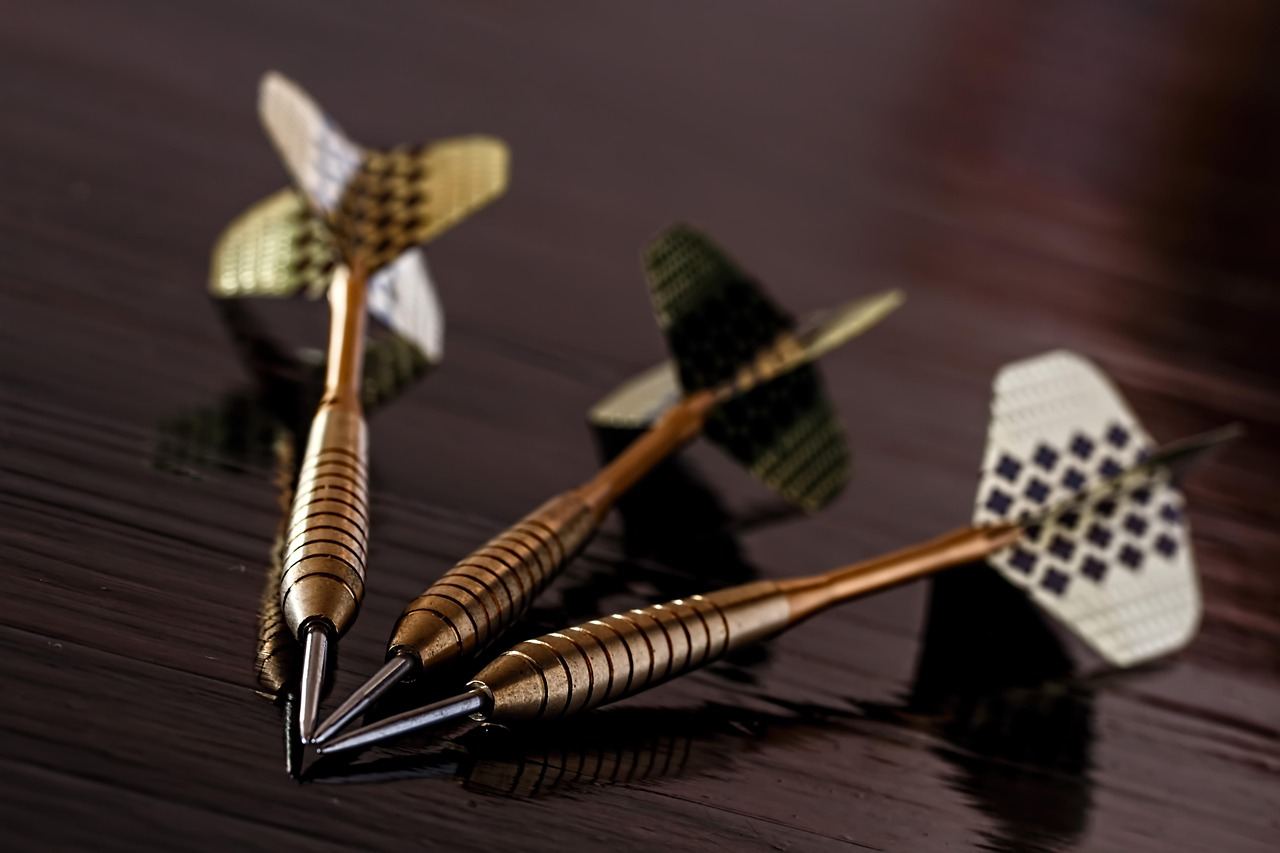
While often dismissed as a casual pub game, darts demands intense concentration and strategic foresight to outplay opponents effectively.
Learning darts as a beginner can be an engaging way to develop focus and precision while aiming small, pointed missiles at a target.
Mastering darts requires strategy and accuracy. This makes it appealing for both casual enthusiasts and competitive players.
In darts, players stand 7 feet 9.25 inches from a dartboard and throw steel-tip darts using an overhand motion to hit specific target segments like trebles and bullseyes, engaging in solo routines that include scoring challenges and precision drills.
Darts offers immediate skill feedback through quantifiable scores per throw, creating flow states where the challenge of hitting targets aligns with skill levels, fostering a sense of accomplishment and social belonging when played with others.
You probably see darts as a casual pub pastime, lacking any real depth. Just a game for passing time with friends.
But darts is a sport demanding both concentration and precision. It's about more than just hitting the board—it's about hitting the right spots to maximize your score and outsmart your opponent.
Strategy defines the real game. Players plan several moves ahead, choosing between high scores or strategic positions to block their opponent's moves.
Sidestep the pub game label and see what's really at play.
Your first game of darts feels strange. The dart is unfamiliar in your hand, and your initial throws might miss badly. Landing a perfect shot is satisfying in a way only trying it reveals.
Stance and grip matter more than you expect. At the oche, you swap grips and stances, searching for comfort and control.
With time, rules and scoring become clearer, adding to the challenge. Soon, the game's social side shows up—laughter and encouragement flow almost instantly.
When to start: Weekends
Duration: 1 hour
Cost to try: $0 if borrowing, up to $20 for inexpensive set
Success criteria: if you finished without hitting the board consistently, do session 2.
New players grip the dart like it might escape. The tension travels up your arm and throws off your release point every time.
The fix is simpler than it sounds: hold the dart with just enough pressure to keep it from dropping — three fingers, no white knuckles. If your fingertips are going pale, you're already overdoing it.
Most beginners treat stance as an afterthought — just stand wherever feels natural and throw. The problem is that an unstable base makes your throw different every single time, and you can't diagnose what's going wrong when the starting position keeps changing.
Plant your dominant foot at the oche and angle your body roughly 45 degrees to the board. That angle lines up your throwing shoulder directly with the target, so your arm moves in a straight plane instead of swinging across your body.
Without a target in mind, every throw is just practice at nothing. Beginners aim at the bullseye because it feels like the obvious goal — but in games like 501, the treble 20 is worth three times the bullseye and sits in a much larger target area.
Learn where the high-value zones are and pick a specific target before each throw. Even if you miss, you're building a habit of intentional aiming — which is what separates a improving player from someone who just throws and hopes.
Check your local pub or community center for darts leagues. Many towns host regular events where players gather to compete and socialize.
Reddit is a hotspot for online darts discussions. The darts subreddit offers a space to share tips, organize online matches, and chat about the sport.
501 is the standard competitive format. Both players start at 501 points and race to reach exactly zero — finishing on a double. Every professional match you've ever watched on TV is this game.
Cricket focuses on a specific set of numbers — 15 through 20, plus the bullseye. Hit a number three times to "own" it, then score on it until your opponent closes it too. The real game is blocking — denying your opponent numbers while building your own lead.
Around the Clock is simple: hit every number on the board in order, 1 through 20. No strategy, no scoring math. It's the best early drill because it forces you to adjust your aim across the entire board, not just your comfort zone.
Mastering your throwing technique is the core skill in darts. It involves grip, stance, and release consistency. Understanding how your body affects the dart's trend changes everything.
Focus on the fluidity of your throw. Your arm should move smoothly, with your elbow as the pivot. This repetition builds muscle memory and accuracy.
Mental focus is just as crucial. Concentrating on your target and keeping confidence in your technique can enhance performance.
Aim for five sessions over 30 days. Play once a week to let skills build naturally without overwhelm.
If you find yourself thinking about the next match before the current one ends, this is more than just a game to you. Start tracking your scores and game strategies in a journal for deeper improvement.
If the sessions felt like adding another chore to your list, that's useful feedback. Try a casual game at home with friends to see if the social side makes it more enjoyable.
If you dreaded each session or never felt the urge to pick up a dart, acknowledge that darts may not be your match. Some prefer a different type of competition or skill-building, and that's perfectly fine.
The dead giveaway: researching professional tournaments online before bed.
For a wider menu of options, see our list of hobbies.
When you don't want to commit, things to do when bored is a better starting point.
Most beginners can throw consistently and score points within a few weeks of regular practice. To develop competitive skills and consistency, expect 3–6 months of dedicated play. The learning curve is moderate, so you'll see noticeable improvement quickly without years of commitment.
A basic setup with a dartboard and decent darts costs $30–$80. If you're joining a local league or pub, you typically won't need to buy equipment right away. Premium boards and professional-grade darts run higher, but beginners don't need them to enjoy and improve at the game.
Steel tip darts are used on traditional cork or bristle boards and are standard for competitive play and pubs. Soft tip darts are plastic-tipped, safer for casual play, and used with electronic scoring boards. Soft tip is better for beginners at home, while steel tip is necessary if you want to play in leagues or bars.
Darts has a moderate learning curve—you can pick up basic throwing and scoring in your first session. The challenging part is developing accuracy and consistency over time, not understanding the rules. Most people find it accessible enough to have fun immediately while having room to improve for years.
You'll need a dartboard, a set of darts, and space on a wall (minimum 18 inches clearance). A scoreboard or paper for manual scoring is helpful but optional. Many players also use a throw line marked 7 feet 9 inches from the board for regulation distance.
Darts is both—you can play casually with friends or join competitive leagues and tournaments. Most bars and pubs have league nights with organized competitions, and professional darts is a televised sport with high prize pools. Whether you play for fun or seriously, there's a level that matches your commitment.