BoredomBusted — Find Your Next Favorite Thing To Do
Discover hobbies, activities, places, and ideas that spark joy. Whether you're looking for something creative, active, social, or relaxing, BoredomBusted helps you find your next favorite thing to do.
Browse our hobby guides, things-to-do collections, and place ideas to never be bored again.
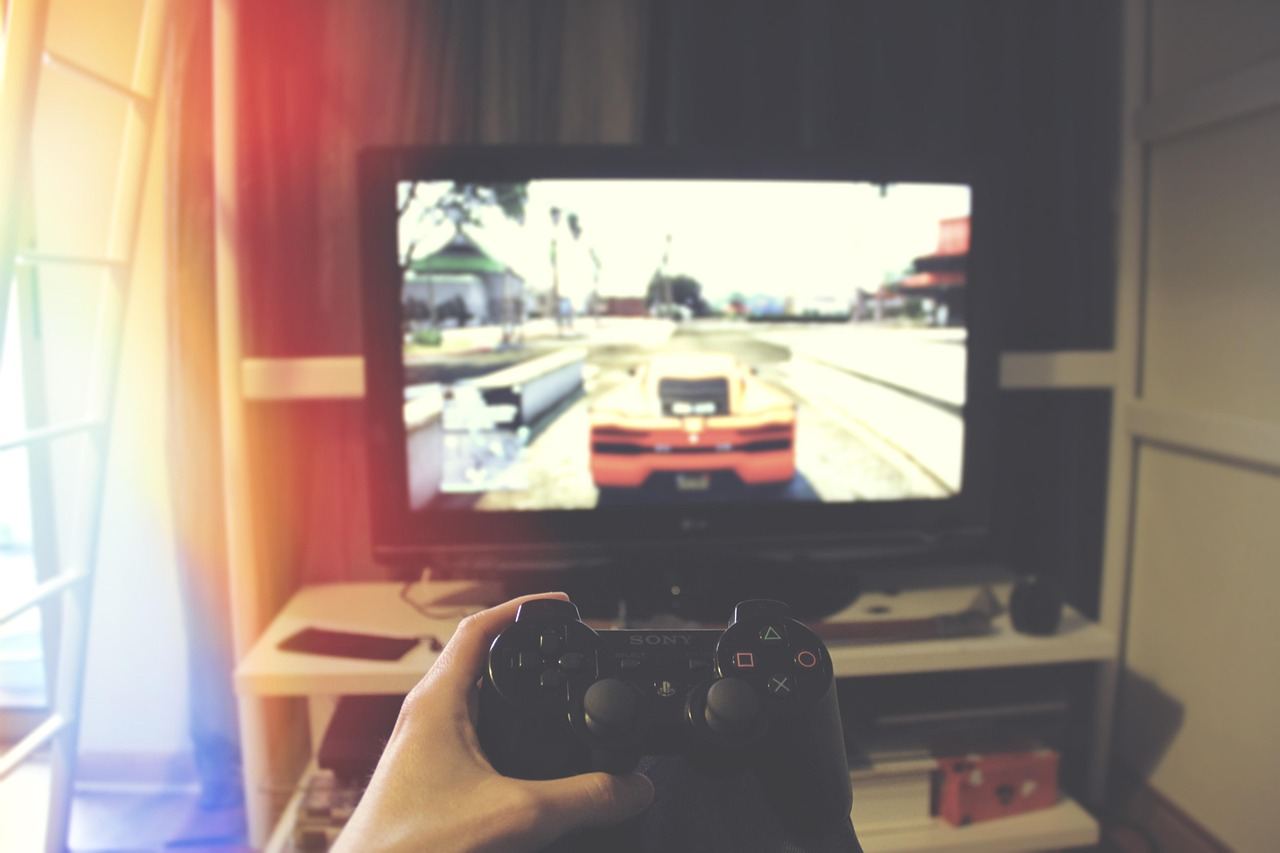
Esports is not just watching games; it’s a thriving ecosystem with career paths in coaching, casting, and analysis — and audiences rivaling major sports events.
Getting started with esports as a beginner involves understanding the competitive landscape of video games and finding the right community to join. Esports means competing in video games at an organized level – whether that's a local tournament, a ranked online ladder, or a professional league with prize money.
Unlike casual gaming, there's a structure: opponents, stakes, and a skill ceiling you're actively trying to reach. That competitive framework is what separates it from gaming as entertainment.
In Esports, players engage in competitive gameplay of video games like League of Legends or Counter-Strike, focusing on precise hand movements with a mouse and keyboard, executing tactical decisions in real-time while communicating with teammates via voice chat. They engage in solo practice drills to hone skills and review gameplay replays for improvement, often streaming their sessions to share …
Esports fosters a flow state through intense matches that create a balance between challenge and skill, leading to deep engagement, while incremental skill feedback from game performance and rankings provides motivation. The social interaction within teams and communities combats feelings of isolation, and the sense of accomplishment from victories and personal bests continually refreshes the exp…
You think esports is just watching teenagers play video games in dark rooms. Energy drinks, loud shouts, and flashy screens. That image is keeping you from seeing the real action.
Esports is a full-fledged ecosystem with coaches, analysts, and psychologists. Just like traditional sports, its infrastructure is sprawling, built in just a decade instead of a century.
Nearly 100 million people watched the 2019 League of Legends World Championship final. That's more than the NBA Finals, but it doesn\u2019t make mainstream headlines because sports media doesn\u2019t know where to focus.
Top-level games require real-time team coordination and mechanical execution.
Opportunities span beyond playing and include casting, coaching, and management.
Excited to learn how to jump in? That's coming up.
Playing esports for the first time feels overwhelming. Like someone flipped over a chessboard mid-game and set it on fire.
Confusion is the real challenge for new players, not the difficulty. Pros handle chaos smoothly, but you'll find your initial experiences are pure chaos.
The first time you play, it can feel disorienting. You're not making decisions crisply or rotating smoothly. Instead, you're getting knocked out before seeing your opponent, clicking wrongly, and feeling lost.
Your early experience is rough. You'll face endless defeats, lose track of where you are, and barely understand what just happened.
Remove anything unnecessary that clutters your view before your first game. Graphics and extras can make it hard to see what's really happening.
You'll debate quitting or sticking with it as games remain challenging. The true shift happens not when the game gets easier, but when you start seeing deeper layers. That's when losses start teaching more than they frustrate.
When to start: Early morning
Duration: 1.5 hours
Cost to try: $0 - assuming you already own a computer and internet access
Success criteria: If you complete one team practice match in which you call at least 5 clear plays in voice chat, do session 2.
Ranked mode feels enticing, but beginners often dive in before mastering basic game mechanics. Losses in this mode often reinforce bad habits.
Start with unranked or practice modes for 20 hours focusing on a single mechanic like last-hitting or ability timing until it becomes second nature.
The diverse roster is tempting, with every character appearing exciting. But jumping between characters prevents the development of deeper game sense.
Stick to one beginner-friendly character for the first 50 matches. Learn the game through their unique kit.
Pro videos seem helpful, making you feel engaged. But without knowing what to watch for, it's wasted effort.
Review your own matches first. Pause each time you die to identify what information you missed.
Upgrading your mouse or monitor won't fix skill-related issues like poor positioning or decision-making.
Record a gameplay session and identify three match-defining moments. More often than not, it's a strategic error, not hardware.
Playing solo might feel safe, but you'll miss out on the most impactful learning tool: communication.
Join a Discord server and play with strangers. The callouts will reveal the game data you're missing.
Esports mostly happens at home. But it's also alive at gaming cafes and LAN centers.
Many universities now have esports facilities available.
The National Association of Collegiate Esports (NACE) oversees programs at 200+ U.S. institutions.
Introduce yourself: "I'm new, here's my current rank, and I'm looking to play competitively."
Rank matters more than experience. It tells teams where you fit best.
This is the default when most people say "esports." More titles and higher skill ceilings mean a more intense scene. From League of Legends to CS2 to Valorant, it's all here.
Serious climbers or future competitors fit here. A decent gaming PC runs $600–$1,000, but remember, the real cost is in the hours.
Played on console, titles like Rocket League, EA FC, and Call of Duty lead the way.
Best for console owners not looking to rebuild their setup. Skill gaps exist between platforms; console lobbies suit beginners better.
Mobile games like PUBG Mobile, Mobile Legends, and Clash Royale offer competitive circuits, especially in Southeast Asia.
Great for anyone without a PC or console. Free to download, but pay-to-win elements might affect non-spenders.
Digital card games like Hearthstone and Legends of Runeterra highlight strategy over speed.
Ideal for those who prioritize strategic thinking. Lower hardware needs and skill expression is mental.
Racing simulations like iRacing or Gran Turismo and sports sims like FIFA and NBA 2K create competitive ecosystems.
Perfect for sports lovers seeking competition without the physical aspect. Racing sims especially can get pricey: wheel and pedals start at $200.
A close neighbor worth considering: Roguelike Gaming.
Mobile Gaming is a sibling pursuit and often surfaces the same kind of curiosity.
If the texture of this appeals to you, Sandbox Gaming is built on similar bones.
Mobile Gaming is a sibling pursuit and often surfaces the same kind of curiosity.
If this resonates, Fighting Game Competition explores a similar direction.
Most beginners grind hours trying to improve mechanics – faster clicks, better aim, smoother combos. But that's not the real problem. The skill that truly matters is reading the gamestate – knowing if you're ahead or behind and what actions to take. Not "what can I do?" or "what's coolest?" The real question is: does the current state of the game reward aggression or patience right now?
A player skilled in reading the gamestate knows when a 3v3 fight is actually a losing 3v5 because two enemies will respawn in eight seconds. They avoid taking that fight. Beginners often jump in, thinking it's bad luck that they lose.
Improving this skill stops you from making good mechanical plays in terrible situations – which is why most losses happen. Without it, you might have 90th-percentile aim and still lose to slower players.
Over 30 days, aim to complete twelve gaming sessions. Playing three times a week allows you to develop recognition skills without overload.
Expect frustration in the first four sessions as you learn the controls. That's normal in the beginning phase.
Playing voluntarily outside your schedule is a strong indicator. That suggests the hobby is naturally engaging for you. Deepen this interest by focusing on a particular game genre and exploring competitive modes or communities.
Feeling indifferent after twelve sessions isn't necessarily final. Consider trying a different genre. Esports includes varied experiences like MOBAs, shooters, and strategy games — each offering unique gameplay.
Clock-watching every session shows lack of engagement. Accept that esports might not suit you. Find something that truly captivates your attention and passion.
The unmistakable sign: exploring esports content unplanned. If you're watching tournament videos late at night or checking patch notes, that natural curiosity signals you're genuinely into the scene.
Need instant social approval? Beware. Solo queue ranked play might frustrate you, as most of the time is spent playing alone, and progress is slow.
Repetitive strain issues can be a real barrier. Think realistically about the physical demands of long gaming sessions on your hands and wrists.
Inconsistent schedule? Expect limited progress. For esports, regular short sessions are better than sporadic long ones for skill development.
If esports feels like too much to commit to right now, browse what to do when you're bored for lower-stakes ideas.
If esports feels like too much to commit to right now, browse what to do when you're bored for lower-stakes ideas.
You don't need top-tier gear to begin—a decent PC or console and a standard mouse/keyboard are sufficient for most games. As you advance competitively, upgrading to a gaming mouse, mechanical keyboard, or high-refresh monitor can improve performance, but these are investments made after you've committed to the hobby.
Most casual players reach entry-level competitive play within 100–200 hours of focused practice, though reaching professional-tier skill typically requires 2–5 years of dedicated training. The timeline depends heavily on the game, your natural aptitude, and how much time you invest weekly.
Games like League of Legends, Valorant, and Counter-Strike 2 have large beginner communities with ample tutorials and matchmaking systems that pair you with similarly skilled players. These titles also have active esports scenes, so you can watch pros and learn strategies while developing your own skills.
Most esports titles are team-based—League of Legends, Dota 2, and Valorant require 5-player squads working together to win. While some games include solo competitive modes, the core competitive experience revolves around coordination and communication with teammates.
Yes, through tournament prize pools, sponsorships, streaming, and team salaries, though these opportunities are primarily available to players who reach semi-professional or professional levels. Most casual and intermediate players enjoy esports as a hobby without monetization, though streaming platforms allow anyone to earn small amounts from audiences.
Casual players improve with 5–10 hours weekly, while aspiring competitive players typically dedicate 20–40+ hours per week to ranked matches, team scrimmages, and review of gameplay. Consistency matters more than raw hours—steady daily practice outpaces sporadic marathon sessions.