BoredomBusted — Find Your Next Favorite Thing To Do
Discover hobbies, activities, places, and ideas that spark joy. Whether you're looking for something creative, active, social, or relaxing, BoredomBusted helps you find your next favorite thing to do.
Browse our hobby guides, things-to-do collections, and place ideas to never be bored again.
Logic puzzles aren't just tasks for math whizzes — they're engaging brain workouts that enhance your reasoning skills significantly.
Getting started with logic puzzles as a beginner provides a stimulating way to enhance your problem-solving skills. They present brain teasers that challenge your problem-solving skills.
Patterns, sequences, and deductive reasoning are the tools you use to solve them.
Each solved puzzle brings a gratifying sense of achievement.
Logic puzzles involve engaging with grid-based or constraint challenges, such as Sudoku or Nonograms, where you systematically analyze clues, identify patterns, and use deductive reasoning to fill in cells or solve problems, often tracking multiple possibilities in your working memory without time pressure.
Logic puzzles induce a flow state by providing clear rules and visible progress, allowing for calm, focused engagement that reduces distractions and fosters cognitive endurance through short, manageable sessions that build confidence and mental agility over time.
You might think logic puzzles are just mindless time-wasters for math fans.That's not the reality.
These puzzles give your brain a real workout, sharpening your deductive and analytical skills. They aren't passive — they make you think actively, sharpening your mind in a way mindless activities never could.
With many levels, logic puzzles are both easy to start and tough to master.Their wide range of difficulties means anyone can join the fun. Whatever your mood or experience level, there's a puzzle waiting for you.
Next, discover how logic puzzles can become a social activity.
At first, a logic puzzle can make you feel lost, unsure where to start. That initial confusion is completely normal. Stick with it even when you hit those walls.
Solving that first puzzle brings a rush like no other. You'll find yourself retracing steps, questioning every decision, and suddenly hitting those 'aha!' moments.
The real surprise is how addictive these puzzles become. A casual interest can quickly turn into a daily ritual of hunting for tougher challenges.
When to start: Early morning
Duration: 1 hour
Cost to try: $0
Success criteria: If you finished without solving the puzzle completely, do session 2.
Tackling difficult puzzles right away feels exciting, but it's a fast track to frustration.
Start with simpler puzzles to build your confidence. Gradually increase complexity as you master the basics.
Overlooking foundational strategies like pattern recognition stalls progress.
Master basic techniques first to tackle complex puzzles more effectively.
Speed isn't the aim. Rushing leads to mistakes.
Slow down and analyze each step to avoid errors and improve accuracy.
An overworked brain becomes ineffective. Frustration sets in easily.
Take short breaks when you hit a wall to refresh your perspective.
Logic puzzle enthusiasts have vibrant communities waiting for them.
Websites like Puzzle Baron and Reddit's r/puzzles connect you with puzzle lovers worldwide.Share puzzles, swap solutions, and get fast feedback from people who care as much as you do.
Local libraries and bookstores are community hubs for real-world interaction.
They often host puzzle competitions and meet-ups.Show up to connect with other enthusiasts, learn new techniques, and swap puzzles face to face.
Sudoku involves filling a grid so each row, column, and subgrid has numbers 1–9 without repeats. Best for those who enjoy number challenges with straightforward rules.
Logic grid puzzles ask you to use clues to fill a grid systematically. Ideal for fans of deep reasoning and complex logic.
Kakuro combines Sudoku elements with arithmetic in a crossword style. Perfect if you crave math in your puzzles.
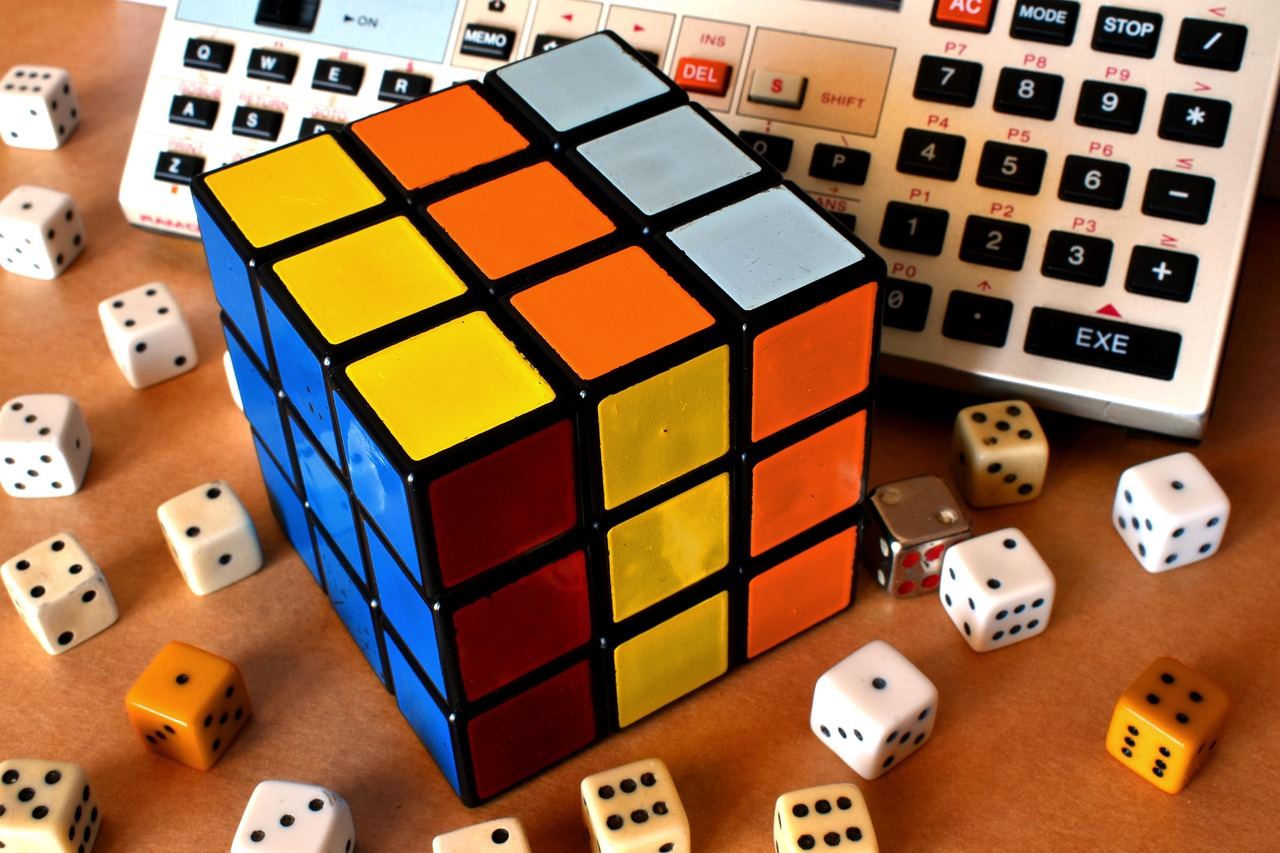
Rubik's Cube is a sibling pursuit and often surfaces the same kind of curiosity.
Readers who enjoy this often gravitate toward Shogi next.
Developing a structured problem-solving mindset is the core skill in mastering logic puzzles. Break down complex problems into parts. Identify patterns. Make logical deductions based on what you know.
Systematic exploration transforms how you solve puzzles. Analyze known elements first. Consider every possibility. Avoid rushing to conclusions.
You'll need patience too. Logic puzzles demand time to reveal their solutions. Embrace the process. Enjoy the journey as much as the destination, and skills will follow.
Try solving puzzles every day for a month. Spend a few minutes daily to see how your skills evolve.
If puzzles become your highlight, that's a good sign. Enjoying the problem-solving process means you're in the right space. Consider gradually challenging yourself with more complex puzzles.
Frustration or boredom after a month suggests this isn't your thing. Try different types or formats of puzzles to see if something else clicks. Puzzle books with visual elements might offer a different experience.
Actively avoiding puzzle time proves it's not for you. Some people like the idea of puzzles more than the actual solving. A clear answer.
The real sign of a fit? Finding yourself eager to solve just one more puzzle before bed.
Want broader ideas first? Our list of hobbies gives you the lay of the land.
Start with simpler puzzle types like Sudoku or crossword logic grids to understand basic deduction mechanics. Work through puzzles at your own pace, focusing on identifying constraints and eliminating possibilities rather than speed. Many free online platforms and puzzle books offer beginner-friendly selections with progressive difficulty levels.
Common logic puzzle types include Sudoku, Nonograms (Picross), Kakuro, Logic Grid Puzzles, Mastermind, and Zebra Puzzles. Each type uses different rule sets and solving techniques, so trying various types helps you find what resonates with your problem-solving style.
Easy puzzles take 5–15 minutes, medium puzzles 20–45 minutes, and hard puzzles can take 1–3 hours or more. Time depends on the puzzle type, your experience level, and how familiar you are with the specific rules. As you practice, you'll solve puzzles faster.
Yes, logic puzzles strengthen critical thinking, pattern recognition, and deductive reasoning skills. Regular puzzle-solving improves memory, concentration, and mental flexibility while providing a structured form of entertainment that exercises multiple cognitive areas.
Logic puzzles are nearly free to start—thousands of free puzzles are available online through apps and websites. Physical puzzle books cost $5–15, and premium puzzle subscriptions typically range from $3–10 monthly, making it one of the most budget-friendly hobbies available.
Logic puzzles are primarily a solo activity designed for individual problem-solving and mental challenge. However, you can also enjoy them socially by sharing puzzles with friends, competing on solving times, or discussing strategies and solutions together.