BoredomBusted — Find Your Next Favorite Thing To Do
Discover hobbies, activities, places, and ideas that spark joy. Whether you're looking for something creative, active, social, or relaxing, BoredomBusted helps you find your next favorite thing to do.
Browse our hobby guides, things-to-do collections, and place ideas to never be bored again.
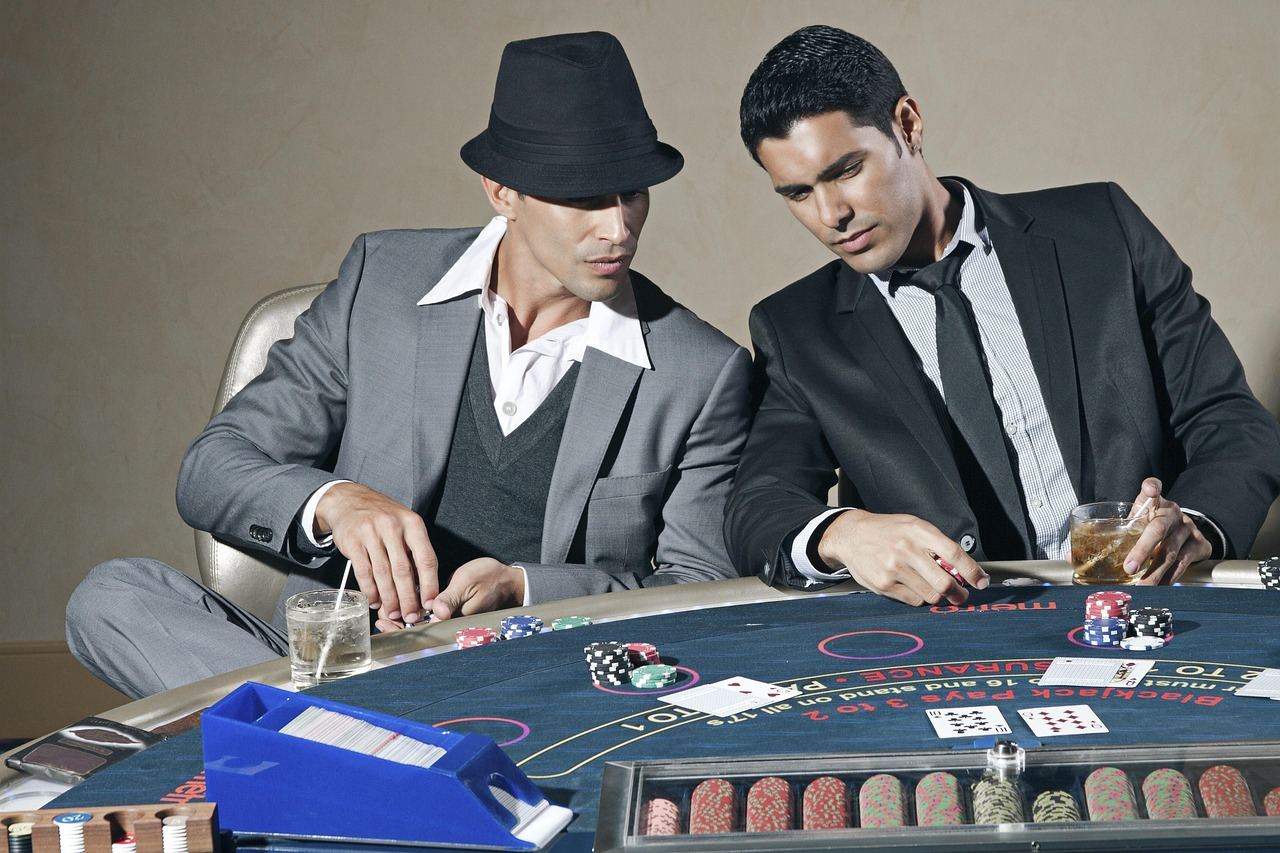
Poker isn't about the cards; it's about the decisions you make before the showdown—where winners can fold a winning hand for the right reasons.
Getting started with poker as a beginner involves understanding the basics of betting and hand rankings, with the goal of winning the pot by either holding the best cards or convincing everyone else to fold.
Unlike chess or checkers, the hidden information – not the cards themselves – is what separates good players from great ones.
In poker, you engage in strategic card play by dealing and assessing hands, making decisions like folding or raising based on your cards and community cards, while also analyzing opponents' behaviors. You practice specific tactics such as betting patterns and hand selection, and may review hand histories or use training software to improve your skills.
Poker combats boredom through flow states by demanding intense focus on decision-making and immediate feedback from your plays, fostering a sense of mastery as you refine strategies and track your progress. The social aspects of home games enhance belonging and create memorable interactions, while the novelty of different game variants keeps engagement high and prevents routine.
You think poker is gambling. You think the cards decide who wins. You'll cling to that idea until you lose to someone holding worse cards – and start questioning everything.
Poker is an information game, not a card game. The cards are just the excuse to bet, and betting is where the real decisions live.
What sets players apart happens well before the flop or showdown. It's the decisions no one talks about that separate winners from losers.
Chance only influences short-term results — over hundreds of hands, the math dictates outcomes regardless of how lucky you feel.
Professionals sometimes fold winning hands because it's strategic. It's not some movie moment. It occurs in casual games regularly, and often the player can't even articulate why it was right, because they haven't mastered the lingo.
You're already focused on what the "best hands" are. That's what the next section digs into – and it's exactly where most beginners trip up.
Playing poker feels like chess, but with someone loudly chattering in your ear and your chips at stake.
The real challenge isn't understanding the rules. It's knowing what to do with a mediocre hand when everyone is watching and you have no clue what they hold.
You'll start thinking folding and betting are obvious moves. The real surprise hits when you're frozen, mid-decision, unsure how half your stack disappeared after a failed bluff.
You'll lose early hands not because of poor cards, but from misreading other players' betting signals.
Caution can feel like strategy after losses. This leads to playing too conservatively, folding anything questionable as a reflex.
This tight approach eventually gives way to reckless calls, mistaking gut feints for strategic insights.
Finally, there's a session where choices align with logic, not luck. A decision matches what you deduced about another player's hand. It's a small but crucial victory that marks the start of real learning.
Quitting is most tempting when losses stack up without visible progress. The frustration is why many walk away before their skills blossom.
Position is more powerful than cards. Acting last in a round lets you leverage everyone else's choices. That insight can determine early success or stumbling.
When to start: Morning
Duration: 1 hour
Cost to try: $0
Success criteria: If you can play one Texas Hold'em hand, name your best 5-card hand, and correctly mark one bluff spot in your notes, do session 2.
Seeing cards feels like the start of something, so folding can seem like giving up. But most of your profit comes from playing smarter, not more.
Play fewer hands but with more strength: stick to pairs down to sevens, suited connectors, and strong broadway cards until you know the table.
Calling feels comfortable as it keeps you involved without committing fully, but it's secretly costly.
Make every decision count: decide on each street if your hand merits a raise or if you should fold and wait.
Many new players only focus on their hand, overlooking that acting last gives you an edge even with weaker hands.
Think about your seat first: play tight when early, and open up more when you're on the button.
A bad beat can feel like you're being wronged. But letting it show alerts everyone to your state of mind.
Set a pre-game routine: one breath, look at your chips, move on quietly.
Beginners often guess at what looks like a reasonable bet size, which signals uncertainty to observant players.
Stick to a standard: try 2.5x open raises preflop and 60–75% pot on continuation bets. Only change this for specific strategic reasons.
Poker runs on two tracks: the kitchen table and the cardroom. These environments are worlds apart.
Home games come through friend circles. Public games pop up at licensed card rooms, casinos, and local bars or community centers hosting low-stakes tournaments.
The World Series of Poker (WSOP) sets the standard for competitive play. On the casual side, the American Poker Players Association (APPA) offers structured play through nationwide leagues.
If you're new to live play, a friendly talk with a floor manager can get you to a suitable table. They'll often direct newcomers towards softer, low-stakes games.
There's no single "standard" poker – but Texas Hold'em is close enough that we'll treat it as the baseline here.
Two hole cards, five community cards, best hand wins.
It's the one you've seen on TV, and the one most home games run. Start here – the hand rankings, betting logic, and table etiquette you learn transfer everywhere else.
Omaha gives you four hole cards instead of two – but you must use exactly two of them. That one constraint creates dramatically bigger hands and wilder variance than Hold'em.
It's not a beginner-friendly swap. Come here once Hold'em feels automatic, not before.
Seven-Card Stud has no community cards. Each player builds a hand from their own seven cards, some face-up, some hidden. Reading what your opponents are showing becomes the whole game.
Good for players who prefer observation over aggression.
Five-Card Draw is the stripped-down version most people learned as kids. You're dealt five cards, swap what you don't want, then showdown. It's simple – but it's rarely played seriously, so treat it as a gateway, not a destination.
Short Deck – also called Six-Plus Hold'em – removes every card below a six. Strong hands come up more often, and the rankings shift: flushes beat full houses here. Skip this until standard hand rankings feel automatic enough that you can afford to unlearn a few of them.
For something adjacent, see Whist.
If you want a related angle, Deck Building Games is the natural next stop.
Some of the same instincts show up in Scrabble — worth a look if this clicked.
Most beginners focus on their own cards—the strength of their hand, the odds of hitting their draw.
The cards are almost irrelevant. What matters is what your opponent thinks you have.
The skill is reading and constructing ranges. It's not about guessing a single hand but thinking in terms of every hand they could hold based on their play.
Once you think in ranges, every opponent bet becomes new information. It narrows their possible hands. You start betting to shape their range perception of you.
Reacting only to your cards means losing to players three steps ahead.
These methods push you to think beyond a single hand and towards broader strategy.
Commit to 12 sessions over 30 days. Aim for three per week, each lasting at least 90 minutes. Poker's short-term luck can skew your perception if you stop after a couple of bad sessions.
If you're already thinking about the next hand before the current one ends, that's not just enjoying the game – that's a connection. You're replaying decisions in the shower, annoyed by mistakes. Move to low-stakes real-money play. Start a hand history journal immediately.
Enjoyed some sessions but indifferent overall? That's normal. Add eight more sessions, but change it up. If you've been playing cash games, switch to tournaments, or vice versa. Often, it's not about poker not fitting you, but finding your style of play.
If you found yourself watching the clock and hating every minute, that's telling. For some, poker feels like an obligation rather than a joy. It's not about overcoming a challenge; you genuinely might not enjoy the structure.
The real sign you're hooked: catching poker references everywhere, even off the table. A scene in a film, a podcast mention, or an offhand comment. You're piecing together a mental model of the game, and that's worth listening to.
Poker is one path among many — browse the full hobbies list to weigh it against the rest.
Sometimes you just need something for the next ten minutes — that's what things to do when bored is for.
A casual game among friends can last 1–3 hours, while tournament poker can extend to 8+ hours depending on the format and number of players. Cash games have no set time limit—you can play for 30 minutes or all night, leaving whenever you choose.
Start by learning hand rankings and basic rules through free online resources or apps like PokerStars Play or GTO Wizard. Practice against AI opponents before playing with real money, and focus on understanding position, bankroll management, and fundamental strategy before advancing to live games.
You can play for free online or with friends using any stakes you're comfortable with. If you want to play in casinos or online for real money, most experts recommend starting with a bankroll of at least $200–$500 to weather losing streaks without going broke.
Poker is primarily a game of skill over the long term, though luck plays a role in individual hands. Professional poker players win consistently by making mathematically sound decisions, reading opponents, and managing risk—skills that improve with practice and study.
Texas Hold'em is the most popular and beginner-friendly variant, widely available in casinos and online. Other options like Omaha, Stud, and Draw poker have different rule structures; start with Hold'em to build foundational skills before exploring other formats.
Yes, online poker is ideal for beginners—most sites offer free-play tables with play chips so you can learn without financial risk. You can also find low-stakes cash games and tournaments, giving you a safe environment to develop skills before moving to higher stakes.