BoredomBusted — Find Your Next Favorite Thing To Do
Discover hobbies, activities, places, and ideas that spark joy. Whether you're looking for something creative, active, social, or relaxing, BoredomBusted helps you find your next favorite thing to do.
Browse our hobby guides, things-to-do collections, and place ideas to never be bored again.
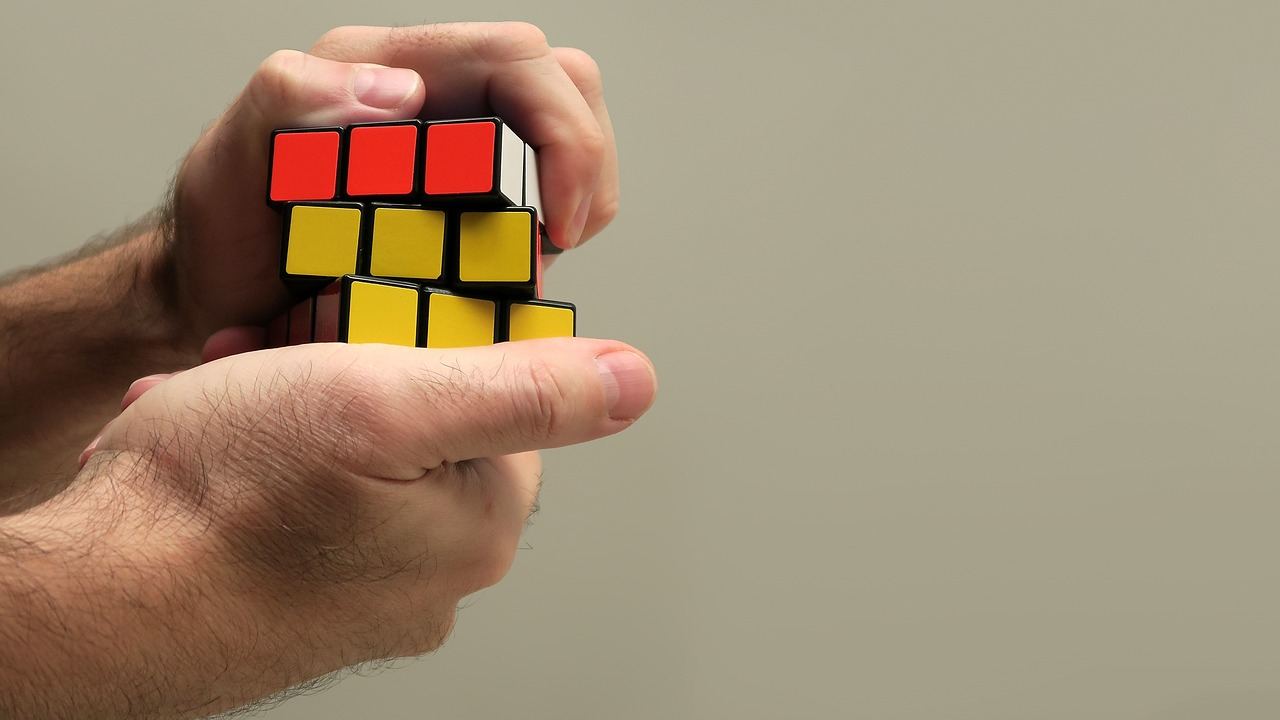
Solving a Rubik's Cube isn't about genius — it's about mastering patterns through practice and enjoying the problem-solving journey.
Learning to solve a Rubik's Cube as a beginner may seem challenging, but it’s a rewarding puzzle that sharpens your problem-solving skills. Solving it requires algorithms and strategic moves.
A personal challenge or a competitive sport, the Rubik's Cube offers both solo satisfaction and social excitement through competitions.
In Rubik's Cube practice, individuals engage in scrambling the cube, solving it repeatedly under time pressure, and drilling specific techniques like cross, F2L, and algorithms. They record their progress through averages and personal bests, analyze solves for inefficiencies, and refine their skills with focused practice sessions. This structured approach emphasizes both problem-solving and techn…
Rubik's Cube practice fosters a flow state by providing clear goals, immediate feedback, and a manageable challenge as participants aim to improve their solving times and techniques. The instant feedback from each solve and the pursuit of personal bests create an engaging feedback loop that keeps practitioners motivated. Additionally, the community aspect offers social belonging, while the variet…
You think solving a Rubik's Cube is impossibly hard.
You're not alone in that belief. The truth is, anyone can learn to solve it with the right approach and practice. The key is to start with understanding the basic moves and algorithms. Once you do, those "impossible" patterns begin to unravel themselves.
Think of Max, a high schooler who initially struggled with the cube.He dedicated just 15 minutes a day to learning algorithms. In a month, he went from novice frustration to solving it in under two minutes, all with consistent practice.
Patterns start to feel obvious.
Hands move without thinking.
This hobby becomes addictive; the thrill from each successful solve is a rush you chase over and over.
The appeal isn't merely about solving it once. It's about when you master the cube in ways you never expected to be possible.
The first time you pick up a scrambled cube, your fingers don't know where to go. You rotate a face, then another, then undo both in a panic. The colors get worse, not better. That disorientation is completely normal — your brain hasn't built the spatial vocabulary yet. It feels less like a puzzle and more like a foreign language you can't even sound out.
The part most beginners don't expect is the algorithm phase. You'll memorize a sequence of moves, execute it perfectly, and watch it do... almost nothing useful. **The frustrating truth is that algorithms only click once you understand why they work, not just how to perform them.** That gap — between rote repetition and actual comprehension — is where most people quietly give up.
Somewhere around your tenth or fifteenth full solve, something shifts. Your hands start moving ahead of your thoughts. You stop second-guessing each turn. That moment — when muscle memory overtakes conscious effort — is when the hobby actually begins. Before that, you're just laying groundwork.
Your first solves will be slow, clunky, and littered with backtracking. That's the experience, not a sign you're doing it wrong. The speed comes later. What matters in these early sessions is just completing the cube consistently. Once you can do that reliably, the real question becomes: where are you losing time — and that's exactly what trips up most beginners.
When to start: 8:00 AM
Duration: 1 hour
Cost to try: $0
Success criteria: If you finished without completely solving the cube, do session 2.
Most beginners solve the cube once using a tutorial, feel satisfied, and stop there. That first solve is a milestone — but it's also a trap. Without repetition, the algorithms don't stick and each new attempt feels like starting from zero.
The fix is simple: solve the cube every single day, even if it takes ten minutes. Repetition is what moves the moves from your notes into your hands.
Copying a sequence of moves from YouTube without understanding what it does will stall you fast. You can't troubleshoot what you don't understand. When something goes wrong mid-solve, you'll be lost.
Learn each algorithm in two stages: what it moves, then how to execute it. Slow it down. Watch what each turn does to the cube. That understanding is what lets you recover when a solve goes sideways.
Beginners often want to jump straight to the last layer because it feels more impressive. But the cross — forming a plus sign on the bottom — is the foundation everything else builds on. A sloppy cross makes every step after it harder.
Spend a full week on nothing but the cross before touching F2L or OLL. It feels slow. It pays off fast.
There's nothing wrong with tracking times — but doing it too early creates bad habits. When you're chasing speed before you know the moves well, you start rushing and sloppy form gets locked in. Your times plateau and you can't figure out why.
Only start timing once you can complete a full solve without stopping to think. Speed follows clean technique. It doesn't lead it.
Doing twenty solves in a row feels productive. But if you're making the same mistakes on solve three as you are on solve twenty, volume isn't helping you. Most beginners never pause to ask where time is actually being lost.
After every few solves, pick one moment that felt slow or clunky and drill just that. Focused practice on one weak spot beats mindless repetition every time.
The biggest cubing community online is r/Rubiks_Cube on Reddit. Post a solve video, ask about algorithms, or just share a new personal best — the feedback comes fast.
Register on the World Cube Association (worldcubeassociation.org) to find officially sanctioned competitions near you. WCA events run in most countries and welcome complete beginners — you don't need to be fast to compete.
cstimer.net is the timing tool most serious cubers use daily. It also has a built-in scramble generator and tracks your session averages automatically.
SpeedSolving.com forums go deeper than Reddit — algorithm databases, method comparisons, and hardware reviews all live there. Discord servers like the official Cubing Community Discord run active channels for every skill level. Search "speedcubing" on Discord's server discovery to find a dozen more.
Local game stores and library makerspace events occasionally host cubing meetups. Search Meetup.com for "speedcubing" or "puzzle" in your city — groups pop up in most mid-size metros.
School math and STEM clubs are another underrated spot. Many already have informal cubing groups. If yours doesn't, starting one takes about five people and a lunchroom table.
This is where most people start. You learn a beginner's layer-by-layer method — no speed, no pressure, just getting all six sides solved. It takes a few hours to learn and a few days to feel comfortable.
Perfect if your goal is the satisfaction of cracking the puzzle rather than chasing faster times. Many people stop here — and that's a completely valid place to land.
Speedcubing is the competitive side. You learn advanced methods like CFOP, drill algorithms until your hands move on autopilot, and track averages down to the tenth of a second.
This variant is built for people who get hooked on personal bests. The improvement curve is steep at first, which makes it almost impossible to put down.
The World Cube Association runs official competitions in most countries. You solve standardized scrambles, your times get recorded, and you earn a global ranking.
The social atmosphere at competitions surprises most newcomers — it's far less intimidating than it looks from the outside. Beginners compete alongside veterans without any friction.
Bigger cubes — 4x4, 5x5, and beyond — follow the same logic but add layers of complexity. Solving a 7x7 takes patience, memory, and a lot more algorithm work.
This path suits people who want a longer, deeper puzzle experience rather than the quick-hit satisfaction of a fast 3x3 solve.
Blindfolded solving is its own discipline. You memorize the cube's state before putting on a blindfold, then execute the solution entirely from memory.
It's less about finger speed and more about memory systems and mental discipline. If you're drawn to the cognitive challenge more than the physical one, this is the direction to go.
Twisty puzzles extend well beyond the cube. The Pyraminx, Megaminx, and Skewb all operate on different geometry and require their own solving logic.
Collectors and variety-seekers tend to migrate here naturally once the standard cube stops feeling like new territory.
Readers who enjoy this often gravitate toward Logic Puzzles next.
If you want a related angle, Mechanical Puzzles is the natural next stop.
The skill that separates improving cubers from stuck ones is look-ahead — the ability to plan your next move while executing the current one.
Most beginners stare at the cube after every turn, waiting to figure out what comes next. That pause feels small. Over a full solve, it adds up to seconds — and at the intermediate level, seconds are everything. Look-ahead isn't about moving faster. It's about your eyes staying one step ahead of your hands.
Here's where the insight lands: slowing down your hands is often the fastest way to build look-ahead. When you crank through moves at full speed, your eyes can't track what's coming. Deliberate, slightly slower solves force your brain to observe the cube while it's still in motion — and that habit, built over time, rewires how you process the puzzle entirely.
Once look-ahead clicks, the techniques in the next section — cross, F2L, and algorithm drilling — start producing real, measurable time drops instead of just busywork.
Do 4 sessions over two weeks — two solo practice sessions and two timed attempts where you actually clock your solves.
If you finish a solve and immediately scramble it again, you're hooked. That automatic reset is the real signal — your brain wants the loop, not just the result. Start tracking your averages with a timer app like cstimer, look into full CFOP, and consider joining a local WCA competition just to feel the room.
If you can solve it once and feel basically nothing, the beginner method probably hasn't given you the real experience yet. Learn F2L before you write the hobby off — intuitive F2L is where the puzzle stops feeling mechanical and starts feeling like actual thinking. One week with that layer and the whole thing changes texture.
If memorizing algorithms felt like homework and the timed pressure made the whole thing worse, that's a clear read. Speed-based puzzles with right-or-wrong feedback aren't for everyone — and that's useful information. You'd probably get more from something open-ended like sketching, worldbuilding, or even chess, where progress feels less metronome-driven.
If you catch yourself Googling "best speed cubes under $30" at midnight after only three solves, this hobby already has you. That kind of unsolicited research doesn't happen unless something clicked.
Not ready to pick a hobby yet? The boredom busters page has smaller things to try first.
Most beginners can learn to solve the cube in about a month with regular practice.
Speed cubes are designed to turn faster and smoother for competitive solving.
Start with basic tutorials online and gradually memorize the key algorithms.
Yes, competitions welcome all skill levels and are a great way to improve.
No, a standard Rubik's Cube is enough to begin learning and practicing.