BoredomBusted — Find Your Next Favorite Thing To Do
Discover hobbies, activities, places, and ideas that spark joy. Whether you're looking for something creative, active, social, or relaxing, BoredomBusted helps you find your next favorite thing to do.
Browse our hobby guides, things-to-do collections, and place ideas to never be bored again.
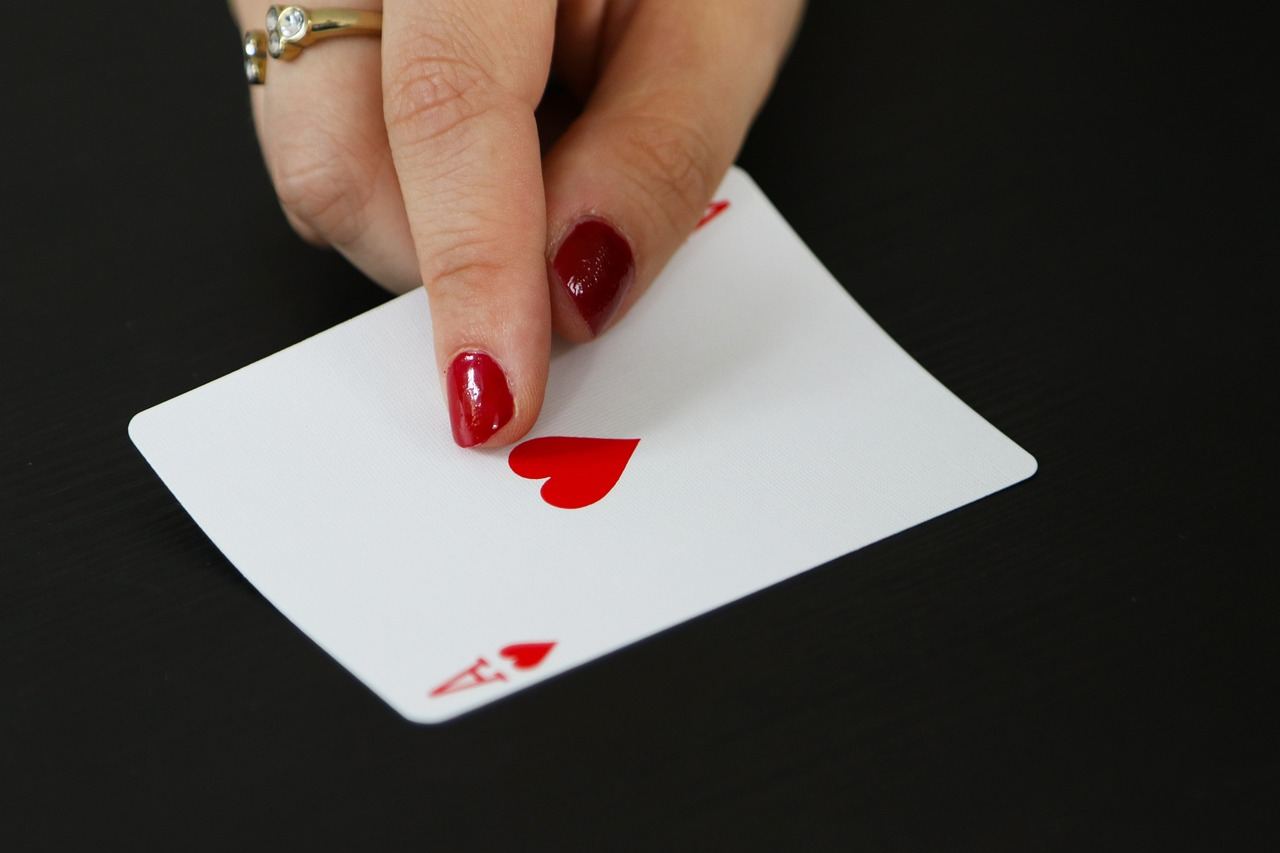
Hearts isn't just a casual card game; it's a strategic negotiation where tracking the Queen of Spades can make or break your success.
Getting started with Hearts as a beginner can be an enjoyable way to learn strategic thinking and teamwork while having fun with friends. You avoid capturing hearts and the Queen of Spades — unless you collect all of them, which flips the scoring entirely.
Winning means ending with the lowest score — the opposite of what most card games train you to want. That single inversion makes every hand a read-the-room puzzle, not just a mechanical play.
In Hearts, players engage in a strategic card game where the objective is to avoid collecting hearts and the queen of spades while trying to outsmart opponents through careful play and tactical bidding, using both skill and deception to score the lowest points.
The game fosters social belonging and provides incremental skill feedback, as players develop strategies and adapt to opponents' tactics, creating a dynamic environment that challenges the mind and keeps boredom at bay.
You think Hearts is the card game your grandparents played on holidays. Simple. Relaxed. Something you do to pass the time between meals.
That assumption is costing you the actual game.
Hearts is a negotiation, not a race. Every hand you play is a signal – about what you're holding, what you're avoiding, and what you want everyone else to believe.
The Queen of Spades isn't the danger. Not knowing where she is – that's the danger. Tracking her location is the real skill separating casual players from people who win consistently.
Shooting the moon changes everything about how you read other players. Once you know that handing someone all the points is a legal move, you start treating every generous-looking play as a potential threat.
Picture this: You're holding the Ace of Hearts mid-game. Feeling safe.
But one player has been suspiciously quiet. Taking every heart offered without complaint. That's someone running the table on you – and you just helped them.
Feeling like you're ready to jump in and play? Let's dive into what happens in your first real session.
Sitting down to play Hearts can catch you off guard. The rules seem straightforward—four players, avoid points—but when someone shoots the moon in your third hand, it feels like chaos. You're left wondering how that even happened.
Initially, you're just reacting, not really strategizing. You duck points without a plan and hope for the best. You might think your experience from other card games will help, but that's a common misconception.
Slowly, it begins to make sense. By watching others, you learn to read more than just your hand of cards. Patterns emerge. You see when someone's setting up a shoot-the-moon run, changing how you view each round.
Understanding the two of clubs leads every game, sets off a cascade of decisions. The player with it determines the flow, deciding which suit to bleed out of opponents early on.
Frustration is normal. It seems like luck when you're missing vital information. But it's attention over time that truly shines in Hearts. Recognizing this shift from reacting to reading the table marks real progress.
Next, we'll dive into common mistakes that keep players stuck in frustration longer than necessary.
When to start: Morning
Duration: 1 hour
Cost to try: $0
Success criteria: If you can finish one hand while following suit, scoring all hearts and the queen correctly, do session 2.
New players hold onto hearts hoping to shoot the moon, only to find themselves caught. If you lack the Ace, King, and Queen of spades along with solid heart control by the second trick, dump your hearts at the first legal opportunity.
Passing high spades can backfire if you haven't thought it through. Keep high spades if you have three or more, as they let you avoid unwanted leads easily.
Beginners play twos and threes too soon, leaving themselves stuck later. Treat low cards like currency. Spend them deliberately each round to offload the lead only when the pile is already dirty.
The cards passed to you reveal what suits your left opponent lacks. Use this knowledge. Lead aggressively in those suits and watch your opponent squirm.
Many players panic about the Queen, treating her like a disaster. Instead, if you have the Ace or King of spades and solid hearts, let the Queen land and seize control of the round, rather than playing scared all game.
Hearts is mostly played at kitchen tables, but card game clubs and senior centers host regular games more often than you'd expect.
Walk in and say exactly this:
"I know the basics but I haven't played with a serious group yet."
That phrasing gets you a seat next to someone patient, not just the empty chair nobody wanted – and it signals you won't slow the game down asking what the Queen of Spades does.
Omnibus Hearts adds a twist by making the Jack of Diamonds worth -10 points. This changes how you negotiate during the game.Chase cards instead of just dodging them
Black Maria is the British twist where the Queen of Spades scores 13 points. There's no passing round, so you're working with the hand you're dealt.Dive into a tougher, ritual-free game
Cancellation Hearts uses two decks for 6–10 players. Identical cards in a trick cancel each other out, adding chaos.Ideal when your group is too big for standard Hearts
Partnership Hearts involves two fixed teams of two, with players sitting opposite each other. You share points with your partner.Play cooperatively like in Spades or Euchre
Spot Hearts assigns hearts their face value. The Two of Hearts is barely a threat, while the Ace will make you think twice.Upgrade to detailed scoring without a new game
If the texture of this appeals to you, Trading Card Games is built on similar bones.
Readers who enjoy this often gravitate toward Party Board Gaming next.
Trivia Nights is a sibling pursuit and often surfaces the same kind of curiosity.
Most beginners obsess over avoiding points. They play defensively every hand, every round. No exceptions. That's not strategy. That's fear with a scoring system.
Reading the void separates mediocre players from masters. Track which suits opponents have run out of. Use that to predict when they'll ditch high hearts or the Queen of Spades.
When someone can't follow suit, they're handing you a framework of their hand. Most players watch the trick. You need to watch the discard.
With partial hand maps from discards, you'll see the Queen coming two tricks out.
Without it, every thin spade suit is a guess. And guessing in Hearts is just losing slowly.
With mapping, you spot shoot-the-moon attempts early. You're ready before it's too late to disrupt.
Commit to 8 games over 30 days. Two sessions each week should get you beyond the chaotic initial phase and into genuine strategic decision-making.
Eight games in and Hearts becomes less about memory, more about strategy.
Replaying your misplayed hands in your mind is the clue that Hearts has its hooks in you. It's time to find a regular group or join a more competitive online platform.
Finishing eight games without feeling much suggests a lack of meaningful competition. If you've only played against bots or in solitary mode, try a few more games with human opponents before deciding.
Counting down minutes during every hand signals a disconnect. Hearts is about the social experience, not just the gameplay. If the social aspects weren't engaging, they probably won't improve for you.
Replaying a hand hours later — not because of the loss but over doubts about decisions — shows that the game's complexity is drawing you in.
Disinterest in social inference or a preference for games with fixed rules may indicate Hearts isn't for you. If you can't reliably play with the same group, you'll miss much of the depth. Short-term feedback lovers may find the slow learning curve unsatisfying.
If hearts doesn't feel like the right fit, our hobbies list has plenty of other directions to try.
For ideas that take five minutes instead of five weeks, see things to do when you're bored.
Hearts is typically played with 3–6 players, though 4 players is the standard and most balanced game. With 3 players, you remove the 2 of clubs; with 5 or 6 players, you remove additional low cards to distribute the deck evenly. The game works with any of these player counts, but the strategy and challenge level varies.
The goal is to end the round with the lowest score possible. Each heart costs 1 point, and the Queen of Spades costs 13 points—you want to avoid winning these cards. Alternatively, if you can take all 26 points (all hearts plus the Queen of Spades) in a single round, you "shoot the moon" and all opponents take 26 points instead.
A typical game lasts 15–45 minutes depending on the number of players and their skill level. Most casual games end in 30 minutes when players reach the agreed-upon winning score (usually 100 points).
Hearts has simple rules that beginners can pick up in 5–10 minutes, but mastering strategy takes practice. The challenge comes from predicting other players' moves, managing your cards wisely, and deciding when to take risks—not from complicated rule sets.
You only need a standard 52-card deck and 3–6 players. No special equipment, scoring boards, or dice required. Many digital versions are available online if you want to play solo or with remote players.
Hearts is completely free to play if you own a standard deck of cards (usually $1–5). Online versions and mobile apps are also free or very affordable, making it one of the cheapest hobbies to start.