BoredomBusted — Find Your Next Favorite Thing To Do
Discover hobbies, activities, places, and ideas that spark joy. Whether you're looking for something creative, active, social, or relaxing, BoredomBusted helps you find your next favorite thing to do.
Browse our hobby guides, things-to-do collections, and place ideas to never be bored again.
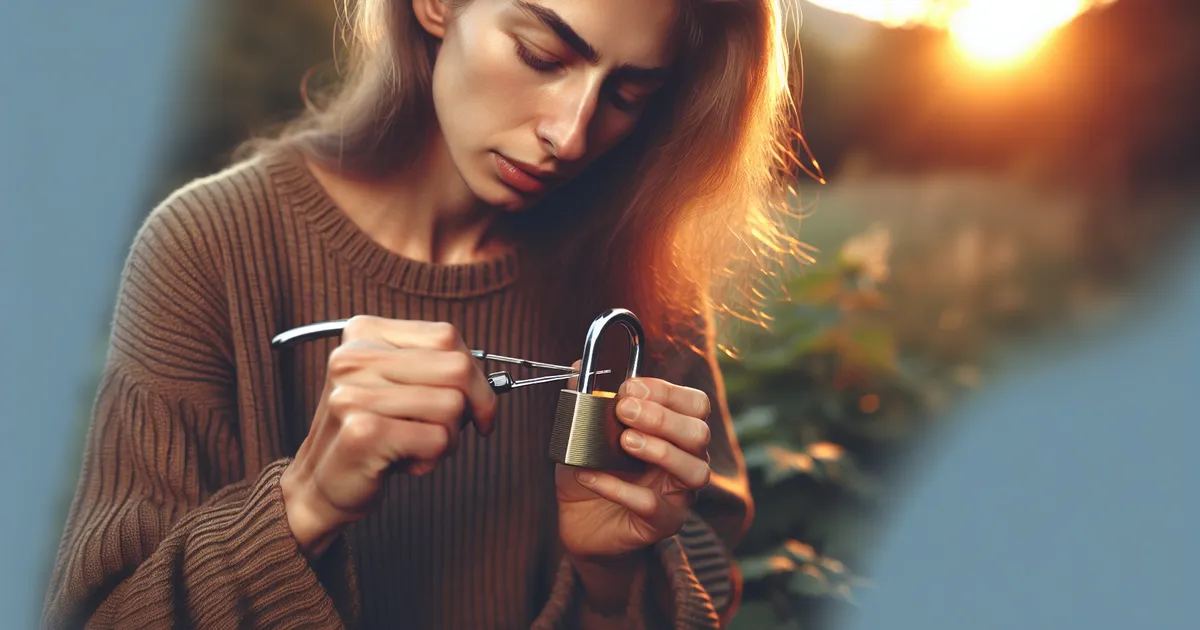
Lock-picking isn't just a crime skill — it's a tactile puzzle that sharpens spatial reasoning and connects you to a tight-knit, ethical community.
Learning lock-picking as a beginner offers a fascinating challenge, turning a simple lock into a mechanical puzzle. You open it without a key, using small tools to manipulate internal parts.
It's like solving a tactile puzzle, not breaking and entering.
Unlike escape rooms, every lock is a real mechanical challenge. Real mechanics and tolerances make it stick.
In lock-picking, hobbyists insert a tension wrench into the lock, applying rotational pressure while using a pick to manipulate pins inside until they set correctly, resulting in the lock opening. Practitioners focus on tactile feedback to identify pin binding and resistance, often practicing with various locks to avoid muscle memory and maintain engagement. Sessions typically last 30 to 60 minut…
Lock-picking induces a flow state as it requires intense concentration and fine motor skills, creating a puzzle-like challenge that demands full engagement. The tactile feedback of pin manipulation provides immediate rewards and a sense of accomplishment, while the novelty of randomizing lock types keeps the experience fresh and stimulating. This hobby turns frustration into triumph, offering psy…
You think lock-picking is a crime skill. A movie thing. A guy in a black turtleneck taking out security cameras.
That assumption is wrong. It's keeping you from one of the most mentally engaging hobbies you can do with $30 and a paperclip.
A competitive locksport picker named Bosnian Bill once spent almost an hour tackling a single lock. He narrated every pin stack, explained every false set.
Forty-seven minutes. Not because he was stuck – because understanding why the lock resisted was the whole point.
Patience. Obsessive attention to feedback. That's what this hobby actually asks for.
Try your first session. It usually answers any doubts – and almost never goes as people expect.
Watching someone glide through a lock in thirty seconds looks effortless. But your first attempts won't feel like that. Your hands fumble awkwardly, and the lock itself seems unyielding.
You open it again to confirm.
In the beginning, nothing happens. The lock refuses to budge, and frustration mounts as twenty minutes tick by. This isn't failure; it's the start of developing tactile memory.
In the second week, you'll start to notice pins binding. You're not sure what action to take, but a feedback loop begins to form. By the third week, a transparent practice lock like Practice Lock 1 might just open. You might think it's a fluke at first.
But it's not random luck. By the fourth week, confidence emerges as you open the lock again, slowly. Now, every set is felt.
Use a lighter tension than you think. Beginners often over-tension, preventing the pick from doing its job. Don't make the mistake of blaming your tools.
When to start: Early morning
Duration: 1 hour
Cost to try: $20
Success criteria: if you finished without opening the lock, do session 2.
More tension seems like it should give more control, but it actually freezes the pins, making it impossible to feel what's happening.
Apply just enough tension to keep a pin set without resisting others. If your hand is white-knuckling, you've already lost feedback.
Kits often include cheap padlocks that teach bad habits because they're too loose.
Start with a Master Lock No. 3. It's tight enough to train you on genuine pin feedback.
Speed feels like you're doing more, but it often means you're missing subtle feedback from the lock.
Slow down and feel each pin individually. If you can't tell pin one from pin two, you're raking instead of picking.
Rushing can cause you to skip over nearly set pins, leading to constant resets.
Count your pins before starting. A five-pin lock means five distinct clicks you should be tracking.
Mastering one lock doesn't equate to mastering the skill. You're learning its quirks rather than developing your abilities.
Use three or four locks at the same difficulty. Rotate them to build a genuine, transferable skill set.
Most lock picking practice happens at home. Whether it's a desk or a workshop, the goal is a quiet setup with a transparent practice lock and a light. Makerspaces host Locksport International chapter meetings. These communal spaces are where serious pickers often hone their skills.
Introduce yourself by saying, "I'm new, I've got a basic set, and I haven't picked anything beyond a practice lock." Expect advice, a borrowed lock, and live feedback on your technique.
Standard lock-picking often uses rakes. SPP means setting each pin individually, one at a time.
It's slower, harder, and the right way to actually learn what's happening inside a lock. Best for anyone who wants real skill, not just quick wins. No extra gear needed – just a tension wrench and a short hook pick you probably already have.
Raking uses a serrated or wavy pick moved in and out rapidly, hoping to jostle multiple pins into place at once.
It opens cheap locks fast, but you won't learn anything useful from it – it's closer to luck than technique.
Best for complete beginners who want an early win. Same basic tools, lower bar to entry.
Bypassing skips the lock mechanism entirely – shimming shackles, manipulating cams, exploiting gaps in the lock body.
This is where locksport gets genuinely clever, and it exposes how many locks are poorly designed.
Best for pickers who've plateaued on pin tumbles and want a different kind of puzzle. Some bypasses require shims or specialty tools, usually under $10.
Combination locks – especially padlocks – can be decoded through feel and math rather than picks.
The feedback is subtle, and getting it right the first time feels unreasonably satisfying.
Best for pickers who like methodical, repeatable processes over the tactile rush of pin-setting. No picks required, which makes it a clean entry point if you're not ready to buy a full kit.
Dimple locks have keys with drilled indentations rather than a cut edge.
The pins sit in a different orientation entirely.
Best for intermediate pickers ready for a real difficulty bump. Expect to spend $20–$40 on a practice dimple lock worth actually learning on.
A close neighbor worth considering: Study Skills.
If you want a related angle, Tutoring is the natural next stop.
Cultural Language Revival is a sibling pursuit and often surfaces the same kind of curiosity.
Tactile sensitivity is the real breakthrough. It means feeling the subtle differences between a pin that's set, a pin that's binding, and one that's just drifting. This isn't about barely 'feeling something.' It's about understanding exactly what you're feeling, instantly, without looking.
When you can identify a set pin from a false set, you avoid restarting from scratch with each attempt. You remember where you left off and why the last try failed.
Without this skill, picking is pure guesswork. With it, failed attempts become valuable insights.
Heavy tension hides critical pin feedback. Almost no pressure forces your fingers to sense the slightest movements instead of forcing the lock.
Ten sessions over 30 days, about three times a week for 20–30 minutes with a basic practice lock and beginner set.
Lock-picking has a unique frustration curve. Initial sessions can feel like you're blindly poking at a keyhole. By the tenth session, you'll know if the tactile feedback excites you or if it's just tedious.
You find yourself thinking about locks during downtime. That moment when you consider why a pin didn't set or how a different tool would feel is significant. It means your interest is genuine. Next, get a transparent practice lock to deepen your understanding of the mechanics at work.
You finished all ten sessions, but between them, picking never crossed your mind. That's a sign the tactile puzzle doesn't captivate you, which isn't a shortcoming—just an honest mismatch. Extending your trial will likely not change this. It's okay to explore other hobbies that spark your curiosity.
The activity felt more like a burden than a challenge. When feedback seems random rather than informative, it indicates that lock-picking isn't connecting with you. If the majority of sessions left you frustrated instead of intrigued, that's a clear signal to look elsewhere for fun.
The real sign you're into it is when you catch yourself watching a lock-picking video just to hear about how pin tumblers work. If that captivates you, it's more about the mechanics than the tool. You're hooked when you keep watching for the sheer fascination of it.
Strong fine motor skills are more critical than you might think. If you have tremors, arthritis, or any condition affecting hand control, gathering reliable feedback from the hobby is tough. Without this vital element, the appeal of lock-picking diminishes quickly.
Ambiguity is baked in. Lock-picking doesn't provide clear markers of success for a while. If you need visible progress to stay engaged, this hobby might feel stagnant.
Legal concerns are real. In some regions, owning lock picks without a locksmith license can be legally questionable. Check your local laws to ensure you're in the clear.
If nothing here clicks, our guide to what to do when bored covers shorter, lower-commitment options.
Lock-picking is legal in most places when practiced on locks you own or have explicit permission to pick. However, laws vary by location — some countries and jurisdictions have restrictions. Always check your local regulations and never pick locks you don't own without written consent from the owner.
You'll need a basic pick set (tension wrench and various picks) and practice locks to learn on. A beginner kit typically costs $15–40 and includes essential tools like hook picks, rakes, and diamond picks. Many hobbyists recommend starting with transparent practice locks so you can see the pin movements inside.
This depends on the lock's complexity and your skill level. Simple practice locks can take seconds once you develop the feel, while pin-tumbler locks might take minutes as a beginner. With consistent practice over weeks, you'll develop the sensitivity and muscle memory to pick locks faster and recognize different security features.
A starter kit typically runs $20–50, while intermediate pick sets range from $50–150. High-quality custom picks and professional-grade tools can cost $150–300+. Most hobbyists find that a modest initial investment of $30–50 is enough to begin learning effectively.
Lock-picking has a moderate learning curve — it's not difficult, but it requires patience and developing tactile sensitivity. Most beginners can open simple locks within a few hours of practice, but mastering more complex locks takes weeks or months. The satisfaction comes from understanding the mechanical interaction rather than relying on brute force.
Start with transparent practice locks or dedicated beginner locks that let you see and feel the pins moving clearly. Avoid high-security locks initially — instead, progress to basic padlocks and door locks once you grasp the fundamentals. Practice locks are specifically designed to give reliable feedback and are more forgiving than real locks.