BoredomBusted — Find Your Next Favorite Thing To Do
Discover hobbies, activities, places, and ideas that spark joy. Whether you're looking for something creative, active, social, or relaxing, BoredomBusted helps you find your next favorite thing to do.
Browse our hobby guides, things-to-do collections, and place ideas to never be bored again.
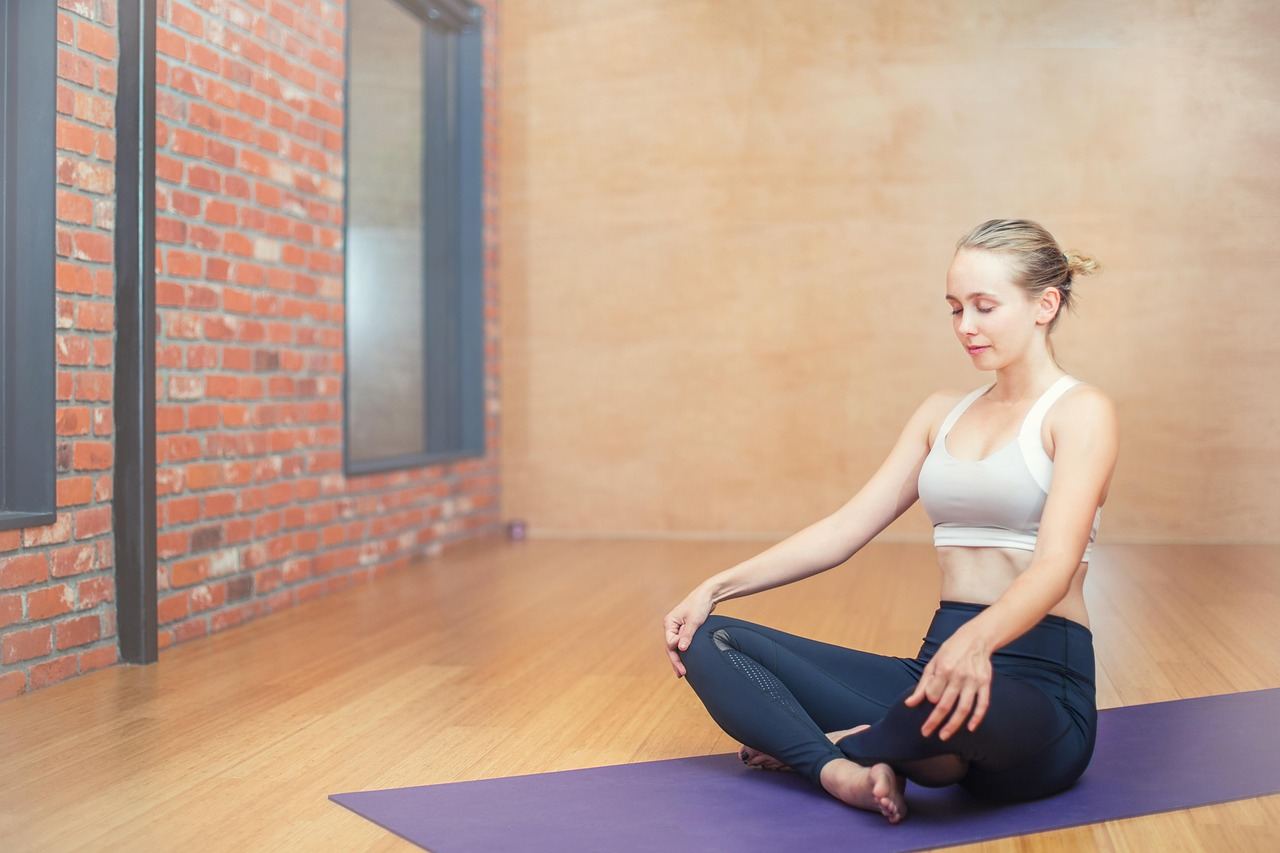
Ashtanga is often mistaken for a brutal workout, but it's really a path to a quieter mind and decisions, not just stronger hamstrings.
Learning Ashtanga yoga as a beginner involves mastering a series of postures that flow together seamlessly. You perform them in the same order, each linked by breath.
In other types like flow or hot yoga, sequences vary. In Ashtanga, they stay the same.
Your progress reflects your own effort. It's not guided by an instructor, making it a more challenging and honest practice.
Ashtanga Yoga involves a self-directed home routine where practitioners perform fixed sequences of postures, beginning with Sun Salutations, followed by standing poses and finishing with seated stretches, all synchronized with breath. The practice is often done early in the morning, focusing on bodily awareness and energy management through a series of vinyasa flows that build strength and flexib…
Ashtanga Yoga fosters a flow state through its structured sequences that demand full attention, allowing practitioners to lose track of time while performing intricate movements. This practice also incorporates a skill feedback loop through daily body scans that refine technique, providing a sense of accomplishment from maintaining a consistent routine, even when motivation fluctuates.
You think Ashtanga is just a harder version of the yoga class you already skipped. It's the one with the serious people, the sweat, the Sanskrit — designed for athletes or people with suspiciously flexible hips.
You've got it backwards. That's why most people never try it.
Ashtanga uses the same fixed sequence every session. That turns practice into a measurable skill, not another workout chore every Tuesday.
The breathing system — ujjayi — works harder than the poses. Your nervous system is what's actually getting trained here, not just your hamstrings.
Meet Cara. She started Ashtanga at 41 with a fused ankle and zero flexibility history.
Six months later, she wasn't touching her toes. She was making decisions faster.
Sleeping deeper. Describing herself as "less reactive" at work.
Strength wasn't the shift Cara had trained for. What landed instead was a quieter mind she hadn't seen coming.
This is not a fitness routine disguised in Sanskrit. It's a system for a new relationship with difficulty — starting the moment your mat hits the floor.
That first session is its own thing. Here's what to expect.
Watching the Primary Series feels like watching water move. Then you get on the mat, and your hamstrings have opinions. The gap between the screen and the floor is where Ashtanga begins.
Wrist soreness hits on day one — even for people who run, lift, or already consider themselves flexible. "Engage your bandhas" lands like an inside joke no one explains. The humbling part isn't the difficulty of the poses — it's that your body has never been asked to work in this particular sequence before.
The Primary Series never changes. That's the whole point. Your first session isn't about the shapes — it's about memorizing the order they come in. Perfecting anything comes much later.
Lost, sweaty, convinced you're the only one who can't find Downward Dog — that's the standard first session. The people who pushed past it didn't do so because it got easy fast. The mistakes that keep beginners stuck in that frustrating stretch are worth knowing before your second session.
When to start: Early morning
Duration: 1 hour
Cost to try: $20
Success criteria: If you complete a beginner Ashtanga flow while matching breath to each transition and finish in samasthiti, do session 2.
Most beginners find the full primary series online and assume that's the entry point. It isn't. The complete sequence exists to show you where the practice goes — not where it starts.
A teacher-guided class introduces postures in stages, which means you build the strength and mobility each pose demands before the pose itself appears. Jumping ahead skips that foundation and turns injury from a risk into a near-certainty.
There's a pull to keep up — with the class, with a video, with some imagined correct pace. So the breath gets squeezed and rushed to fit the movement. That's backwards.
In Ashtanga, the breath leads and the body follows. A smaller movement done on a full, unhurried breath does more than a deep pose done while holding your air. Slow the movement until the breath stops feeling like a deadline.
Savasana is easy to cut. You're lying still. The practice is done. There's a to-do list waiting.
But the five minutes in Savasana are when your nervous system actually processes what just happened. Skip it and you've done the work without collecting the result. Stay still, stay quiet, and let the session close properly.
Ashtanga's fixed sequence makes it tempting to treat completion as the goal. You finish it. You check it. You move on. The poses get done, but nothing improves.
Pick one posture each week and study it — foot placement, hip angle, where the gaze lands. A sequence of thirty poses practiced with attention to one beats thirty poses ticked off in sequence every time.
The traditional Ashtanga schedule is six days a week. That schedule is built for a body already conditioned to the practice — not one three weeks in.
Start with three non-consecutive days and hold there until rest days feel genuinely restful rather than necessary. Increasing frequency too early doesn't accelerate progress — it just moves the injury date forward.
Ashtanga is practiced in dedicated yoga studios and sometimes in community centers or martial arts spaces that rent floor time. What actually matters is finding a teacher who knows the Mysore method — not just someone teaching vinyasa under a different name.
Walk in and ask this directly: "I'm completely new to Ashtanga — is this a Mysore class or a led class?"
That question signals you've done enough homework to be taken seriously. A good teacher will immediately show you the first three poses and tell you when to come back — that's the sign you've found the right room.
In Mysore-style classes, a teacher adjusts individuals rather than leading the room. You move through the sequence at your own pace, guided by direct hands-on correction.
The most effective way to build a real Ashtanga practice — and often cheaper than led classes. Serious students gravitate here fast.
Led Primary Series classes have the teacher count every breath aloud, posture by posture. The whole room moves together.
The fastest way to absorb the rhythm before you can remember the sequence yourself. Strong starting point for Ashtanga beginners.
Rocket Yoga, created by Larry Schultz, reshuffles Ashtanga's sequences so arm balances appear much earlier. Nothing is held back until you've earned it.
Same physical demand, but the poses you actually want aren't locked behind years of prerequisites. Best for practitioners who find traditional sequencing frustrating.
The Half Primary cuts the full series down to a 45–60 minute practice. It covers the essential structure without the full length.
A legitimate standalone practice, not a compromise version — useful for beginners building stamina or anyone with a compressed schedule.
Jivamukti builds on Ashtanga's physical structure but layers in music, chanting, and a rotating philosophical theme each class. The sequence is recognizable; the atmosphere is not.
The physical rigor stays intact, but the spiritual dimension is explicit rather than implied. Draws practitioners who want Ashtanga's discipline and a deeper philosophical layer.
If the texture of this appeals to you, Hatha Yoga is built on similar bones.
If the texture of this appeals to you, Restorative Yoga is built on similar bones.
Most beginners spend months chasing flexibility – stretching harder and modifying deeper.
The poses aren\u2019t the problem. The breathing is.
Vinyasa breath synchronization changes your practice – learning to initiate every movement with the breath. In Ashtanga, each transition has an assigned inhale or exhale, and the breath drives the body.
When the breath leads, your nervous system stays regulated, your bandhas engage naturally.
Postures you couldn\u2019t achieve through force become accessible. Without it, you\u2019re doing yoga-shaped calisthenics – exhausting and stiff regardless of experience.
The Primary Series is designed around this rhythm; fight it, and the series fights back.
Commit to 12 sessions over 30 days — three times a week, spaced consistently enough that your body starts to remember the sequence rather than relearn it each time.
Ashtanga is built on memorization — without enough repetition, you never stop thinking about what comes next and never start feeling the sequence move. Three sessions a week is the minimum that tips you from learning into practicing.
If your mind starts drifting to yoga between sessions — replaying the sequence, noticing your breath in other moments — that's Ashtanga doing what it does. You're hooked. Start tracking your progress session by session and get consistent instruction on your breath-to-movement timing before anything else.
If 12 sessions left you indifferent, the physical challenge was probably there but the rhythm never clicked. Try one session with your attention entirely on the ujjayi breath before writing it off — the sequence can feel mechanical until the breathing pattern gives it a different texture.
If you were watching the clock through most of those sessions, that's a clean answer. Ashtanga's fixed sequence is the whole point — it doesn't loosen up. Vinyasa or yin yoga will give you structured movement without the rigid repetition.
The sign to pay attention to: you catch yourself mentally rehearsing the sequence at some point during your day, unprompted, without intending to practice.
Not sure ashtanga yoga is for you? The full hobby list covers everything else worth considering.
Still looking for something to do? Browse things to do when bored for more ideas.
Ashtanga Yoga is a fast-paced, physically demanding practice that links breath with a set sequence of postures (asanas) in a specific order. Unlike other yoga styles that may be slower or more flexible with poses, Ashtanga follows the same structured sequence every time, building strength, flexibility, and mental focus through repetition and progression.
No, you don't need prior flexibility or fitness experience to begin Ashtanga Yoga. The practice is accessible to beginners, though you'll find it challenging since it's dynamic and fast-paced. Your body will gradually adapt and improve with consistent practice.
A standard Ashtanga class runs 60–90 minutes, though the traditional full primary series can take up to 2 hours. Most studios offer beginner-friendly shorter classes (45–60 minutes) that focus on foundational poses and breathing techniques.
Most teachers recommend practicing 3–6 times per week for noticeable improvements in strength, flexibility, and mental clarity. Even practicing twice weekly can yield benefits, though consistency matters more than frequency—regular practice builds skill and progress faster than sporadic sessions.
You only need a yoga mat and comfortable clothing to begin. Optional props like blocks, straps, and blankets can help with alignment and support as a beginner, but they're not essential starting out. Most studios provide these items or allow you to bring your own.
Ashtanga can be modified for various injuries and limitations, but it's best to inform your instructor beforehand so they can suggest alternatives or adjustments. Some people with serious joint or spine issues may benefit from gentler yoga styles, so consulting a doctor or experienced teacher is recommended.