BoredomBusted — Find Your Next Favorite Thing To Do
Discover hobbies, activities, places, and ideas that spark joy. Whether you're looking for something creative, active, social, or relaxing, BoredomBusted helps you find your next favorite thing to do.
Browse our hobby guides, things-to-do collections, and place ideas to never be bored again.
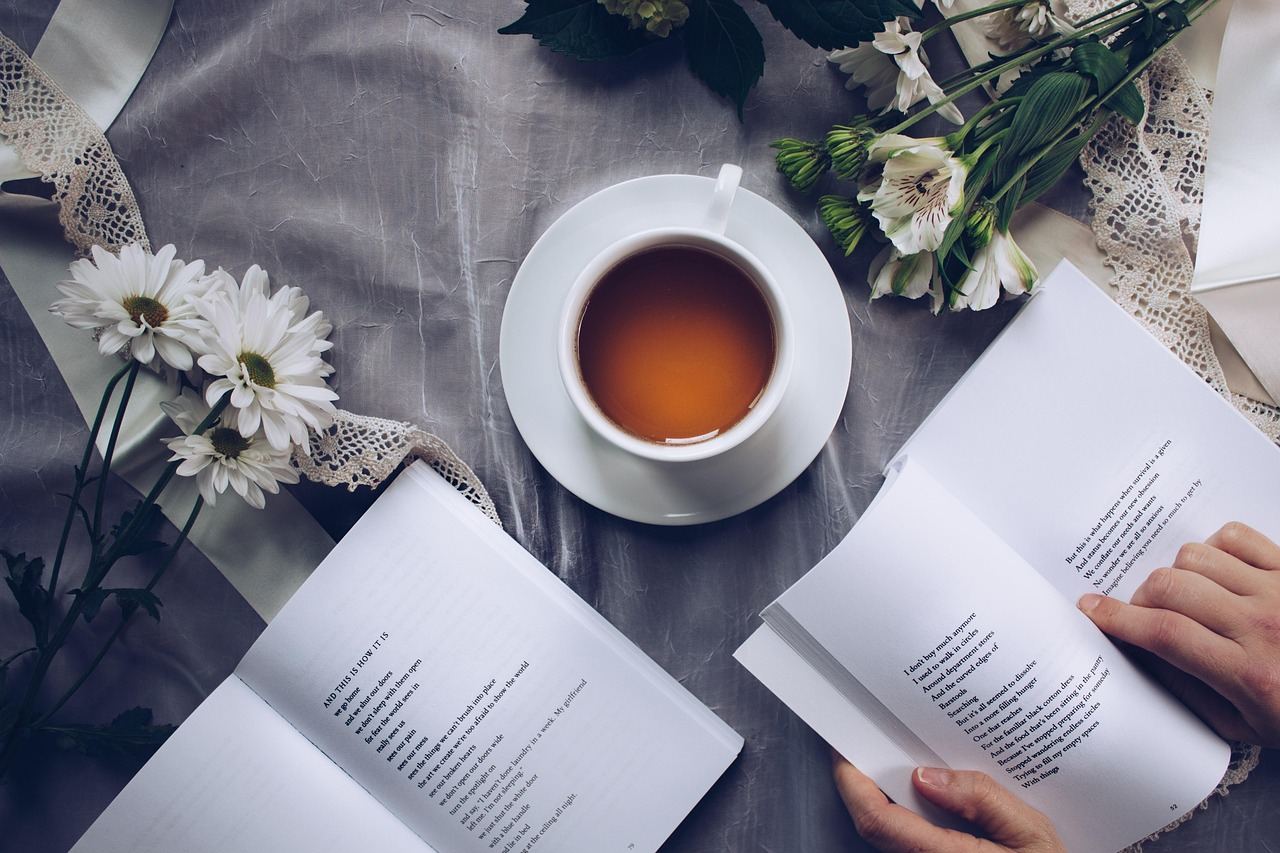
Reading isn't just a solitary escape; it's a vibrant social experience through book clubs and online discussions that brings people together.
Getting started with reading as a beginner opens up a rich tapestry of unique worlds and fresh perspectives.
Every book, whether physical or digital, opens a door to learning and entertainment.
This hobby involves picking books, setting reading goals, and reflecting on stories.
Reading involves selecting physical books, settling into a comfortable spot, and mentally engaging by turning pages and decoding text to immerse oneself in narratives or information.
Reading fosters a flow state through immersive narratives that create effortless absorption, while offering incremental skill feedback as readers gauge comprehension, leading to a sense of accomplishment with each chapter or book completed.
You think reading is for loners, huddled with a book in solitude. Sure, it can be a personal escape.But reading is also a shared journey.
Book clubs and online forums connect people through stories.
Reading challenges turn solitary pages into friendships and discussions.
This community aspect makes reading far richer than an isolated pastime.
You might think books are only for intellectual pursuits or academic circles.
Characters and worlds belong to every reader, from those who savor light romance to those who analyze dense theories.
The adventure of reading is broader and more welcoming than you might imagine. There's more to discover.
The first time you sit down with a book you actually chose — not assigned, not obligatory — it feels quieter than expected. The room is still. Your phone is face-down. The first ten pages are almost always slow going, not because the book is bad, but because your brain is still decelerating from everything else. You're reading words but your mind is half somewhere else, replaying a conversation or composing a to-do list.
Here's the part most beginners don't expect: comprehension isn't the same as engagement. You can read a full paragraph, reach the end, and realize you retained nothing. That's not a reading problem — that's a focus problem, and it fades with practice. Most people quit in this window, convinced they're "not readers." The readers who stick around just learned to re-read the paragraph without making it a big deal.
Somewhere around the second or third session, the shift starts. The story's geography becomes familiar. Character names stop requiring effort to track. That's when reading stops feeling like work and starts feeling like somewhere you go. The flow state the hobby is famous for isn't available on day one — you have to earn it through the awkward early sessions.
What you pick matters more than how long you sit there. A book that doesn't grab you by chapter two is costing you momentum, not building it. Abandoning a bad-fit book isn't failure — it's the skill. Once you know that, the next section on common mistakes will make a lot more sense.
When to start: Morning
Duration: 1 hour
Cost to try: $0
Success criteria: if you finished without any distractions, do session 2.
Most beginners start with a "worthy" book — a classic, a bestseller, something that sounds impressive. Then they stall fifty pages in and blame themselves for not being a reader. The book wasn't the problem. Reading the wrong book at the wrong time kills the habit faster than anything else.
Start with whatever genuinely pulls you in — thrillers, fantasy, true crime, graphic novels, short story collections. Genre doesn't matter. Finishing does. Momentum built on books you love is what makes the habit stick.
New readers often imagine reading requires a quiet evening and an empty schedule. When that window doesn't appear, the book sits untouched for weeks. That's not a discipline problem — that's an unrealistic expectation about how reading actually fits into a day.
Ten minutes on a lunch break or before bed adds up to entire books over a month. Treat reading like a habit that fits around your life, not one that requires perfect conditions. A small daily streak beats a heroic weekend session every time.
There's a deeply ingrained idea that quitting a book is failure. So people slog through something they hate, reading slows to a crawl, and eventually they stop reading altogether. The book wins by default.
Putting down a book that isn't working is a skill, not a shortcut. Life is too short for books you dread picking up. The rule of thumb many readers use: give it 50 pages, and if it still isn't clicking, move on without guilt.
New readers often compare their pace to someone who tears through three books a week and feel behind. That pressure turns reading into a race instead of an experience. Speed has nothing to do with how much you're getting out of a book.
Slow readers who absorb and reflect often get far more from a single book than fast readers who skim for plot. Measure progress by how often you reach for the book, not by how quickly you finish it.
Plenty of beginners try to read with notifications going off, TV on in the background, or phone within reach. Then they re-read the same paragraph four times and decide reading "isn't for them." The problem wasn't the book or their attention span. Reading requires a low enough level of distraction to let your brain actually absorb the text.
You don't need silence or a dedicated reading chair. You just need the phone face-down and one thing happening at a time. Even five focused minutes produces more absorption than thirty distracted ones.
Start on Reddit — r/books and r/suggestmeabook are the two biggest entry points. Between them, they cover millions of active readers discussing everything from genre fiction to literary classics.
Goodreads is the other essential stop. It functions as a social network built entirely around books — you track what you've read, follow friends' shelves, and join reading groups organized by genre, pace, or challenge type. The annual Goodreads Reading Challenge alone pulls in millions of participants every January.
Independent bookstores host book clubs and author events more consistently than any other physical venue. Call your local one and ask — most keep a calendar of monthly club meetups, often free to join.
Public libraries run structured reading programs year-round, not just in summer. Many partner with apps like Libby and Hoopla, and their in-branch clubs tend to be smaller and easier to break into than bookstore groups.
Meetup.com lists reading groups organized by city, and the filters let you search by genre or meeting frequency. Most are free and meet monthly at coffee shops or library branches.
BookTok on TikTok and Bookstagram on Instagram are less about structured community and more about discovery — but both are genuinely active and easy to fall into. Post one shelf photo or a short review and you'll get responses faster than almost any other hobbyist corner of the internet.
Fiction reading is the classic escape. You pick up a novel and trade your surroundings for somewhere else entirely — a fantasy kingdom, a 1920s parlor, a dystopian city.
This is for anyone who wants to feel something — not just learn something. Plot, character, and emotion drive every page. If you've ever lost track of time in a story, you're already here.
Nonfiction reading trades narrative tension for actual knowledge. History, science, biography, psychology — every book deposits something you can use outside of it.
The satisfaction here is cumulative. Each book builds on the last, and over time you start connecting ideas across wildly different subjects. It rewards patience and curiosity in equal measure.
Audiobooks let you read while doing almost anything else. Commuting, cooking, walking — the story plays while your body stays occupied.
This format works best for people who want the benefits of reading but can't carve out dedicated sitting time. A good narrator can make a book hit even harder than the page version.
Book clubs and reading challenges turn a solo activity into something shared. You read the same title as others, then meet — in person or online — to argue, gush, or pick it apart.
The book becomes a starting point, not the whole point. Discussions surface angles you'd never catch reading alone. If you liked the reframe section above, this is your version of reading.
Short-form reading — essays, articles, short stories, newsletters — fits into the gaps of a packed day. No chapter commitments, no bookmark anxiety.
This suits readers who want mental stimulation without the pressure of a 400-page obligation. It's also a low-stakes way to find out what genres and topics actually hold your attention before committing to a full book.
Analytical reading means slowing down — annotating, asking questions, re-reading passages on purpose. You're not just absorbing; you're interrogating the text.
This approach turns a single book into weeks of genuine mental engagement. It's common among people studying philosophy, literature, or theory — but any curious reader can adopt it whenever a book deserves more than a first pass.
Readers who enjoy this often gravitate toward Memory Training next.
Personal Development lives in the same world — different mechanics, similar appeal.
The skill that separates readers who improve from readers who plateau is active engagement — the habit of pausing to question, predict, and connect what you're reading to what you already know. Passive readers move their eyes across the page. Active readers have a running conversation with the text.
Most people treat comprehension as binary — either they understood something or they didn't. But that framing misses the point. Retention and depth aren't about how smart you are. They're about how much friction you create while reading. A small pause to ask "why did this character do that?" or "does this match what I've seen elsewhere?" rewires how the material sticks.
Think of it this way. Two people read the same chapter. One finishes in ten minutes and moves on. The other takes twelve minutes, dog-ears a page, and mentally argues with the author once. The second reader will remember that chapter a week later. The first reader probably won't. The difference isn't speed or intelligence — it's deliberate attention.
This is exactly what makes reading one of the better boredom cures. The more you practice active engagement, the faster you hit that flow state where the book pulls you forward on its own. The next section gets into how to pick books that make that engagement easy to sustain.
Give reading four sessions over the next month — roughly once a week, 20 to 30 minutes each. Pick one book you're genuinely curious about, not one you feel you should read.
You sat down for 20 minutes and looked up to find an hour had passed. That's the flow state — and it means reading is already working for you. Now find your next book before you finish the current one. Keep the momentum going.
Indifference after four sessions usually means the wrong book, not the wrong hobby. Genre matters more than most beginners realize. If you tried literary fiction, switch to thrillers, true crime, or narrative nonfiction — something with a faster pull. One format change can flip the whole experience.
If every session felt like something to get through, that's a clear signal. Some people absorb stories better through sound or movement — audiobooks, podcasts, or even film adaptations of books. The goal is narrative immersion, not the physical act of reading. The medium is flexible.
You stopped mid-chapter to look up whether the sequel exists. Searching for the next book before you've finished the current one is the clearest sign this hobby has already taken hold.
Reading can be free or very affordable—use your local library, borrow from friends, or explore free digital platforms like Project Gutenberg and Open Library. If you prefer owning books, used copies from thrift stores or online marketplaces are budget-friendly alternatives to new releases.
Even 15–30 minutes daily builds a consistent habit and delivers cognitive benefits. Start with whatever time works for your schedule; the key is regularity rather than duration, so you can adjust as reading becomes more enjoyable.
Begin with genres you naturally enjoy—ask friends for recommendations, check bestseller lists, or use library staff suggestions to find titles matching your interests. Reading reviews or book summaries online helps you pick books that align with your mood and attention span.
Not if you find the right books—starting with engaging page-turners rather than dense classics helps build momentum and enjoyment. Creating a comfortable reading space and setting realistic goals prevents frustration and keeps the habit sustainable.
Reading improves vocabulary, focus, and memory while reducing stress and enhancing imagination. It also provides affordable entertainment, expands knowledge across any topic you choose, and supports personal growth at your own pace.
If you enjoy storytelling, learning new things, or escaping into different worlds, reading is likely a good fit. Try borrowing a few books from the library in genres that appeal to you—there's no commitment, and you'll quickly discover your preferences.