BoredomBusted — Find Your Next Favorite Thing To Do
Discover hobbies, activities, places, and ideas that spark joy. Whether you're looking for something creative, active, social, or relaxing, BoredomBusted helps you find your next favorite thing to do.
Browse our hobby guides, things-to-do collections, and place ideas to never be bored again.
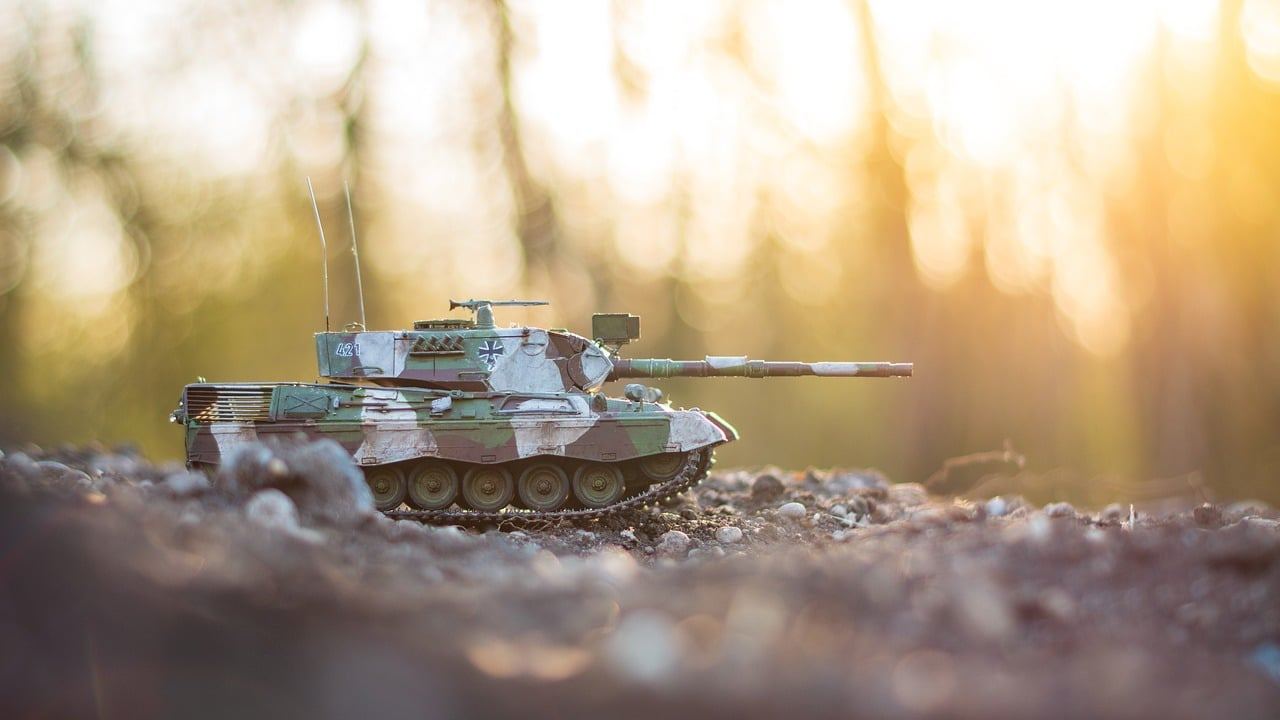
Miniature wargaming is not just about strategic gameplay — it's a rich blend of painting and collecting that sparks deep social connections and creativity.
Getting started with miniature wargaming as a beginner lets you take command of intricate, hand-painted figures on a tabletop battlefield, using rulers and dice to resolve combat turn by turn.
Unlike board games, you build and paint every unit yourself – the army you field is one you made.
That's what separates it from everything else.
In miniature wargaming, players engage in tactical gameplay by moving painted figurines across crafted terrains, rolling dice to resolve combat, and making strategic decisions about unit placement. They build and paint individual models, creating immersive battlefields to simulate conflicts. Campaign formats allow for sequential missions where armies develop over time, blending tactical gameplay …
Miniature wargaming fosters a flow state through its mix of strategic decision-making and creative modeling, providing incremental feedback as players see their armies evolve and succeed in battles. The social aspect enhances belonging, while the artistic component satisfies creative urges, resulting in a multifaceted engagement that counters boredom.
Think wargaming is just guys hunched over tables, arguing about elf statistics? Picture grey plastic soldiers and a rulebook the size of a bible?
You're underestimating a deeply rewarding hobby. Miniature wargaming blends painting, collecting, and strategic gameplay into one immersive experience. From afar, all you see is the strategy aspect.
Building and painting your army is a conversation starter long before any dice roll.
Strategy involves spatial reasoning and resource management, not rule memorization.
Marcus started wargaming one slow winter, dreading the painting part.
Six months later, painting is what keeps him hooked. He hasn't even played a full game yet.
Many never go beyond the surface, stuck in the lobby.
Let's explore what diving deeper into this hobby really feels like.
Imagine Warhammer as you see it online—models gracefully gliding, dice rolling perfectly, and all rules smoothly applied. Your first game will not feel like that. It will be a different experience entirely.
You'll find yourself unsure about which army list to use and constantly checking unit stats. Measurements might be off, leading to internal debates about rules. It's easy to convince yourself that your list is flawed even before playing.
Each week brings change. The first week means more rulebooks than dice rolls. You'll see your errors clearly after week two's first full game. By week three, you'll strategize between sessions, and in week four, experience pays off when you help someone newer.
Before moving, check the threat range. Beginners often act first and then realize their mistake as a unit gets too close to danger. Verify what opponents can reach, and you'll avoid those nasty surprises.
Your initial game will be chaotic—a struggle with rules and nothing clicking immediately. Many pack up here, thinking the confusion means failure. But the mix-up isn't a failure; it's just the entrance fee to a deeply rewarding hobby.
Next, we'll dive into the common mistakes that keep beginners feeling stuck longer than necessary.
When to start: Early morning
Duration: 1-2 hours
Cost to try: $10
Success criteria: if you finished without a complete understanding of the rules, do session 2.
Box art tempts beginners to buy entire armies impulsively. But that leaves you with 60 models you might not even enjoy playing.
Try borrowing a friend's army or a starter set first. Play a few games and see what you actually enjoy commanding before making any big purchases.
Factory mold release agents cling to plastic sprues, weakening primer adhesion. Ignoring this step results in flaking paint weeks later.
Wash every sprue with warm soapy water and dry completely before priming. This guarantees that your paint job stays intact.
The surface might feel dry. But if you start drybrushing too soon, you'll streak the soft paint underneath, ruining your work.
Wait a full day for the paint to harden before drybrushing. Patience here saves you a world of frustration later.
Washes aren't paint, yet beginners often treat them as such by thinning, which ruins their ability to flow into recesses naturally.
Use washes like Nuln Oil directly from the pot. Let them fill the details, thinning only if you're glazing later.
Without magnets, you'll face frustration when factions change, weapon loadouts evolve, or new rules render models illegal. Don't let expensive models collect dust.
Drill 2mm holes in joints for magnets from the start. It's an affordable step that prevents having to repurchase units.
Miniature wargaming unfolds at hobby and game stores. Community centers also host players. Dedicated wargaming clubs often use library halls on weekends.
The Warhammer Community Club Finder at community.warhammer.com is your fastest bet. It provides a live map of clubs worldwide.
Walk in and say "I'm just starting out – I've got [X models], are there demo games happening?" You'll likely get a free teaching game where someone will spend two hours introducing you to the game rules.
Skirmish games like Warhammer Underworlds or Frostgrave focus on manageable teams. You're controlling just 4–15 miniatures.
Enjoy the full wargaming vibe with less time and fewer miniatures. A starter warband is easy on the wallet, costing $30–60 compared to $150+ for larger armies
Mass Battle Games like Warhammer: The Old World have you gather enormous armies. Think rows of infantry, expansive tables, and countless hours of painting.
Perfect for players who love ongoing projects, even if it means investing 6–12 months painting your army into reality.
Historical Wargaming, featuring games like Bolt Action, lets you reenact real-life battles from WWII to the Napoleonic wars.
Appeals to those who enjoy diving deep into history. Researching and painting historically accurate miniatures becomes a rewarding part of the experience.
Narrative and Campaign Play, like Path to Glory, lets your warband evolve through a series of linked games.
Ideal for fans of ongoing sagas and character-driven stories. Winning is secondary to the narrative you're crafting and the journey your miniatures are on.
Boardgame Hybrids, such as Descent, integrate miniatures into simplified boardgame mechanics. No complicated army building required.
Great for beginners exploring the world of miniatures. They're budget-friendly upfront, but the strategic depth may feel limited compared to full-fledged wargames.
If you want a related angle, Game Design is the natural next stop.
Readers who enjoy this often gravitate toward Game Development next.
Mastering threat range is essential in miniature wargaming.
Beginners often focus on painting, but this isn't the real challenge.
The skill that makes the difference is knowing threat range.
This means understanding how far each model can move and attack, then positioning yours just outside that range.
Control the game by dictating movement, not reacting to it.
Instead of blaming luck, recognize whether your placement invited disaster.
Four sessions in a month, one each weekend. That's your starting point.
If assembling, priming, painting, and playing each grabs your interest, you've got the bug. You're not just interested in the game but that mini you left half-painted. Start by building a small collection and finding a local club or online community right away.
Feeling indifferent after the sessions often means the entry method didn't stick, not that the hobby isn't for you. Focus purely on painting for the next month. That'll show you which part really draws you in.
If you were watching the clock and felt relieved when sessions ended, that's a clear signal. No shame in admitting it felt more like a chore than a passion. This isn't about lacking patience; some prefer more dynamic activities.
You're already bookmarking paint sets and watching army show videos at midnight. That pull towards crafting visuals signals you're onto something that aligns with long-term hobbyist enthusiasm. For most, it's less about the game and more about creating that vision in your head.
Not ready to pick a hobby yet? The boredom busters page has smaller things to try first.
Entry costs typically range from $100–$300 for a starter set, including a starter army, basic paints, brushes, and a rulebook. Once established, you'll spend ongoing costs on new models, paints, and terrain pieces, but many hobbyists build armies gradually over time. Some communities offer loaner armies and demo games, allowing you to play before investing heavily.
Most games last 1.5 to 3 hours depending on army size and player experience. Smaller skirmish games can finish in 45 minutes, while large tournaments or campaign battles may extend to 4+ hours. New players often play longer games as they learn rules and tactics.
No—many players field unpainted or partially painted armies and focus purely on gameplay and strategy. That said, painting is a rewarding aspect of the hobby that many enjoy for creative expression and army customization. You can learn basic painting techniques through tutorials and improve at your own pace.
Wargaming emphasizes tactical combat with armies of models on a measured battlefield with fixed rules, while tabletop RPGs focus on narrative storytelling and character progression led by a game master. Wargaming rewards strategic positioning and army composition, whereas RPGs prioritize collaborative storytelling and role-playing.
Most games have a learning curve of 1–3 sessions to grasp core mechanics, though mastering advanced tactics takes longer. Rulebooks can seem intimidating, but most communities offer patient instruction and starter scenarios designed for new players. Many systems include intro rulesets to ease beginners in gradually.
Local game stores, hobby shops, and community centers often host regular wargaming events and can connect you with local groups. Online forums and Discord servers for specific game systems help you locate nearby players and find upcoming tournaments or casual game nights.