BoredomBusted — Find Your Next Favorite Thing To Do
Discover hobbies, activities, places, and ideas that spark joy. Whether you're looking for something creative, active, social, or relaxing, BoredomBusted helps you find your next favorite thing to do.
Browse our hobby guides, things-to-do collections, and place ideas to never be bored again.
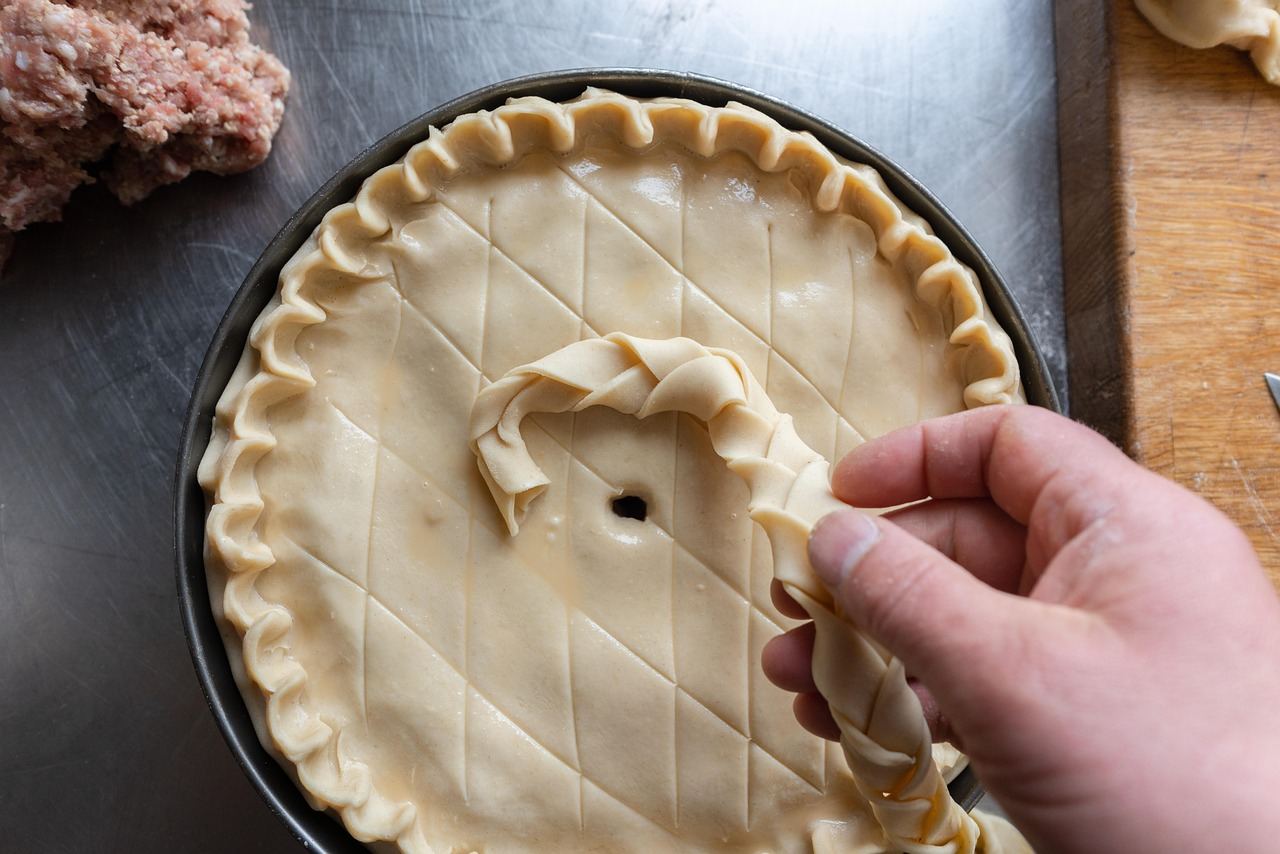
Pastry baking isn't just about following recipes — it's a sensory journey that engages creativity and skills, offering instant feedback and satisfaction with each creation.
Learning pastry baking as a beginner introduces you to the delightful world of creating dough- and batter-based sweets like croissants and tarts using precision techniques. Like lamination, blind baking, and emulsification.
Unlike general cooking, pastry follows ratios over intuition.
Swap an ingredient casually and the whole thing collapses – which is exactly what separates it from other baking styles and keeps people hooked on getting it right.
In pastry baking, hobbyists engage in hands-on sessions that involve precise measuring and mixing of ingredients, rolling out dough, piping choux into shapes, and controlling baking times to create pastries like croissants and éclairs, often accompanied by music in a home kitchen setting.
Pastry baking induces a flow state through tactile tasks that match skill levels with challenges, providing immediate feedback from sensory cues like dough texture and puffiness, while also satisfying creative urges through experimentation and yielding a sense of accomplishment with each completed pastry.
You think pastry baking is about precisely following a recipe. Like adult arts and crafts with butter: measure, mix, bake, done. That's why most people's early croissant attempts collapse miserably.
Pastry is controlled chemistry, not a suggestion list. Each ingredient ratio decides structure, moisture, and fat distribution.
Technique matters far beyond precision for its own sake. Handling cold butter isn't just a detail; it dictates your dough's layers. Rushing this step changes your pastry into something else entirely.
Pastry's learning curve isn't steep because it's hard. It's steep because you're developing intuition about invisible processes like gluten development, steam pockets, and emulsification.
Rough puff pastry makes this clear quickly. Two people can follow the same recipe. One mixes butter quickly because it feels done, while another stops when the dough appears shaggy – a counterintuitive move.
The dough that looks rough makes 200 visible layers. The rushed one results in a greasy slab. Same day, same ingredients, same oven. The real difference is knowing what "done" truly means.
So what's actually essential to start pastry baking? The answer might surprise you.
Trying to make croissants from scratch feels like a battle. Cold butter, warm hands, and dough that seems to tear at every move. The challenge isn't about skill, it's about managing temperature and timing—patience is critical, unlike with other recipes.
In the first week, your croissants might be edible but flawed. Dense instead of airy, pale where golden should be. You won't know which step misfired.
By the second week, you'll catch one mistake as it happens. This insight helps you see why the other issues occurred.
In the third week, a batch will come close to what you want. It's not perfection, but you'll grasp what 'close enough' means in this craft.
By the fourth week, you'll read the dough instead of relying solely on the recipe. That's crucial for long-term improvement.
The process can feel defeating. Burnt bottoms, gummy centers, but maybe a beautiful top. Nothing you're eager to share. Yet, your hands are developing skills your brain can't learn quickly—expect a few rough batches before it clicks.
Important tip: don't guess the butter's temperature.
Butter temperature is a number, not a feeling. Use an instant-read thermometer. Chill your dough to 40°F before folding. Those five degrees you skip measuring often spell the difference between delicious pastry and greasy bread.
When to start: Morning
Duration: 1 hour
Cost to try: $10
Success criteria: if you finished without burning the pastries, do session 2.
Pastry recipes often trick newcomers because they look like cake recipes. Butter behaves differently in pastries, and that's why your croissants turn greasy and pie crusts become tough.
Scooping packs flour densely into the cup. This can lead to using 20–30% more flour than intended, turning flaky tarts into crackers.
Once the dough feels ready, it's tempting to start rolling immediately. But dough that hasn't rested will cause trouble by springing back, shrinking in the oven, or cracking.
Always refrigerate dough for at least 30 minutes after making it. No exceptions.
Don't assume your tart shell will keep its shape just because it's lined. Without weights, the sides will collapse into the base.
The top browns first, misleading you about the pastry's doneness. Pulling it too early leaves the base raw and soggy.
Lift and check the base directly; it should be dry, set, and darker than pale.
Home kitchens are where most pastry baking takes place. But for those more serious about their craft, shared commercial kitchens and culinary schools offer an upgrade.
Admit your newbie status upfront. Mention you have no experience with laminated dough. You'll get placed thoughtfully and receive personalized guidance.
Shortcrust pastries let beginners see results quickly. Cut fat into flour until crumbly and bring together with water. No need for lamination or timing tricks, and it's perfect for making your first pie crust or tart.
Puff pastry tests your skills like nothing else. Hundreds of layers come from folding cold butter into dough. Temperature control is key. It's for those who've already handled shortcrust and want to tackle advanced techniques.
Choux pastry suits process-driven cooks seeking dramatic results. The dough is cooked on the stove and puffs up hollow in the oven, perfect for éclairs and cream puffs without needing lamination skills.
Filo pastry lets you skip the intensive pastry-making part. Buy it frozen and use it for spanakopita or baklava. Focus your efforts on crafting delicious fillings instead of layering.
Rough puff gets you close to puff pastry with minimal effort. Expect similar flaky layers but with fewer folds and less time. Ideal for those who want laminated pastry without spending the day in the kitchen.
Another variant that pulls from the same roots is Smoking Foods.
If this resonates, Cookie Baking explores a similar direction.
Dessert Making lives in the same world — different mechanics, similar appeal.
Recognizing how dough feels is the one skill that makes pastry baking click.
Most beginners obsess over recipes – better recipes, more precise recipes, recipes with five-star reviews.
But the problem isn't the recipe itself. It's the inability to assess dough by touch.
Understanding what properly hydrated or well-rested dough feels like in your hands is crucial. You need to adjust in real time, before mistakes happen.
Not after the croissant comes out dense. Not after the tart shell shrinks. Before.
When you can feel the difference between under-worked and over-worked dough, you're no longer just a recipe-follower. You're a baker.
Pie crusts that hold together
Laminated doughs that actually puff
Shortcrust that doesn't turn to cardboard
These outcomes are decided with your hands, not your timer.
Try making the same shortcrust recipe five times. Change nothing except how long you work the fat in, and compare directly.
Build a sensory reference library, not a finished product. Press your dough before and after resting, noting changes in resistance.
Deliberately over-hydrate and under-hydrate batches side by side. Your hands will learn the spectrum, not just the target.
Commit to six sessions over 30 days. Aim for about one to two sessions per week.
If your mind keeps spinning over what to tweak next time, that's a good sign. You're engaging with the process. Start jotting down notes in a baking journal and consider trying laminated doughs or choux.
Maybe you finish every session but forget about it afterward. This often means you're more task-focused than truly passionate. Try two more sessions with a recipe that scares you to see if that changes anything.
Frustrated by cleanup, precision, or the waiting game? That's telling. Pastry has those in spades, and experience won't change that much. If they bother you now, consider calling it a day.
The unmistakable clue you can't ignore is finding yourself at the bakery fixated on how those flaky layers are achieved. Craving pastry is common, but wanting to unravel its secrets is what keeps bakers hooked.
When you're ready to compare options, the hobbies list lays out every direction we cover.
Still looking for something to do? Browse things to do when bored for more ideas.
You need basic cooking knowledge, precision with measurements, and patience to follow recipes exactly—pastry is less forgiving than regular baking. Most beginners start with simpler pastries like tarts or cookies before advancing to laminated doughs like croissants, which require practice to master.
Initial setup runs $50–$150 for essential tools like a rolling pin, pastry brush, piping bags, and a kitchen scale. Ingredient costs are low per batch, though specialty items like chocolate, vanilla paste, and quality butter add up. You likely have many basics already in your kitchen.
Croissants take 2–3 days total because of multiple folds and resting periods required to develop layers, though hands-on time is only 1–2 hours. Simpler pastries like choux buns or fruit tarts can be completed in 1–3 hours start to finish.
Yes, pastry baking requires more precision with temperature, timing, and technique—especially for laminated doughs where butter layers must stay distinct. However, you can master basic pastries within a few months of regular practice, and failure is often how you learn best.
A kitchen scale, rolling pin, pastry brush, piping bags, and an oven thermometer are must-haves for accurate results. A stand mixer with dough hook attachment saves time and effort, though not essential for beginners starting with hand-mixed doughs.
You can absolutely learn at home using online tutorials, books, and practice—many professional pastry chefs started this way. Classes accelerate learning and provide real-time feedback, but they're optional if you're patient with trial and error.