BoredomBusted — Find Your Next Favorite Thing To Do
Discover hobbies, activities, places, and ideas that spark joy. Whether you're looking for something creative, active, social, or relaxing, BoredomBusted helps you find your next favorite thing to do.
Browse our hobby guides, things-to-do collections, and place ideas to never be bored again.
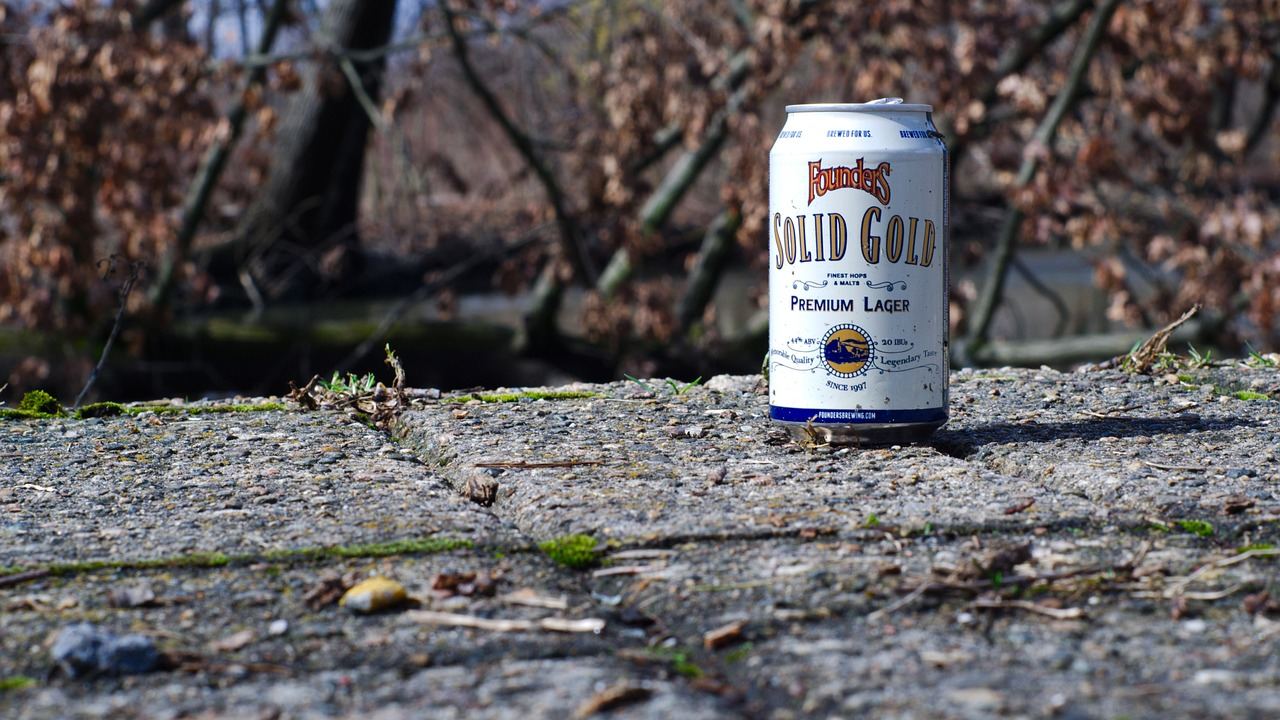
Brewing beer isn't a complex endeavor—most of it is just waiting, and you only need a pot and a few hours to craft something surprisingly good.
Getting started with beer brewing as a beginner involves understanding the fermentation process and mastering the use of four essential ingredients: water, malt, hops, and yeast.
Unlike winemaking or distilling, brewing rewards experimentation at every batch – small tweaks to ingredients or timing produce genuinely different results, making each brew a low-stakes experiment you can drink.
In beer brewing, hobbyists engage in a multi-stage process where they heat water, mash grains, boil the mixture with hops, cool the wort, and ferment it with yeast over several weeks, culminating in bottling or kegging their unique beer.
Beer brewing promotes a flow state through immersive, precise tasks like monitoring temperatures and tasting iterations, while skill feedback loops and creative expression in recipe customization keep the experience engaging and fulfilling.
You think brewing beer is what guys with chest-length beards and grain mills do in their garage on weekends.
You're picturing complicated equipment, needing a chemistry degree to understand it, and months before anything drinkable happens.
That assumption is costing you one of the most satisfying hobbies you could start this month.
Brewing is mostly waiting. The active work on a basic batch is just a few hours. The rest is time doing its job without you.
Your first batch setup fits on a stovetop and costs less than a dinner out. No garage, grain mill, or beard needed.
The chemistry is real but not the point. Understanding it comes naturally after brewing a few times.
A first-time brewer in a studio apartment made a drinkable pale ale using a single large pot, a kitchen thermometer, and a kit from a homebrew shop.
It wasn't perfect. It was genuinely good – and she made it in an afternoon.
The next question isn't whether you can do this. It's what kind of beer you actually want to make – and that's where it gets interesting.
Home brewing looks serene. Watching grain steep or hops float gives a false sense of calm.
Your first session is anything but calm. Thermometer stuck, grain bag drips, hop addition doubts. You're on your own time, and it feels like waiting is all you do.
The unsettling uncertainty is the real challenge. How did your first batch turn out? You won't know for weeks. The airlock bubbling draws you into constant checks, with patience rewarded only after a potentially flat-tasting first sample.
This waiting game becomes part of the appeal. It turns a simple brew into a personal achievement that goes beyond just following a recipe.
Temperature control during fermentation is crucial. Ale yeast prefers 65–72°F. A garage with 20-degree swings overnight will ruin flavors. Decide where to ferment before anything else.
When to start: Early morning
Duration: 2 hours
Cost to try: $30
Success criteria: If you can brew a clear wort, add hops on schedule, and pitch yeast into the cooled batch, do session 2.
Sanitizing is tedious but skipping it leads to ruined batches.
Use Star San at 1 oz per 5 gallons, 60-second contact on every surface. No rinse, no shortcuts.
After a long brew day, you're tempted to rush.
Cool wort below 70°F before pitching yeast. Above 80°F creates off-flavors you can't fix.
One gravity reading doesn't mean it's done.
Take readings on two consecutive days. Only declare complete when numbers stabilize.
Municipal water often contains chlorine and chloramines.
Add one Campden tablet per 10 gallons of brewing water. It dissolves in under a minute and solves the problem.
Your party deadline doesn't change fermentation time.
Rushed bottling = bottle bombs or flat beer. Allow full fermentation even if you need a backup plan.
Brewing usually starts at home. A small kitchen corner and a couple of buckets are all you need.
As passion grows, a full homebrew setup often follows.
Join a club to learn faster. These groups are eager to welcome newcomers and share their knowledge.
Tell a group you're new to brewing. This usually gets you a hands-on introduction before you buy your gear.
Seasoned brewers love to share. Expect offers of equipment, recipes, and feedback on your brew.
Start with pre-made malt extract, either syrup or powder, which dissolves into your kettle. Less equipment and fewer failure points, yet you still make real beer. Gear costs align with all-grain. You're simply skipping a grain-mashing step.
Handle the complete process by mashing crushed grain in hot water to extract fermentable sugars. More control over flavor, more room to experiment. Most serious homebrewers gravitate here. You'll need a mash tun, costing $40–$100 more, to get started.
Steep a grain-filled mesh bag in your kettle for all-grain brewing without added equipment. Closes the gap between extract and all-grain with less cost.
Lagers require cold fermentation around 50°F, demanding a dedicated fermentation fridge. This is a big step up in cost and space, so most beginners skip it. But it's a perfect challenge after mastering ales.
Introduce bacteria like lactobacillus or wild yeast to craft tart, funky, complex beers. The tradeoff is time: some take 12–18 months to mature. Not for beginners, but it's an intriguing option down the road.
A close neighbor worth considering: Mixology.
Some of the same instincts show up in Cooking — worth a look if this clicked.
Stop obsessing over recipes when brewing beer. The real game-changer is controlling fermentation temperature.
Understand your yeast's activity and adapt the ambient temperature accordingly. Set it and forget it won't work here.
Fermentation generates heat. A beer at 68°F ambient can rise to 72–74°F internally. This 4-degree swing results in harsh ales and muddy lagers.
Proper temperature management cuts out off-flavors. Problems like fusel alcohols and esters are mainly temperature-related.
Repeat the same recipe without attention and get inconsistent results. It's not your technique or water but neglecting yeast needs through fermentation.
Commit to 3 brews over 30 days. That's one brew every 10 days, give or take.
Beer takes 2–4 weeks to ferment, so brewing three times in a month means overlapping batches. You'll quickly learn if waiting feels exciting or just boring.
You're already thinking about your next brew. You check the airlock, taste gravity samples, and talk about your fermentation constantly. This isn't just enthusiasm; it's a sign. Advance to all-grain brewing and start documenting your process with a brew log.
The beer tasted fine but didn't leave you wanting more. This usually means you like the result but not the process. Brewing is mostly process. If this is your reaction, another session probably won't change that.
You dreaded brew days. That 4-hour commitment felt like a chore, not something exciting. Accept that brewing requires time and complexity; this hobby isn't a fit if it feels like a burden.
You're examining a craft beer label, wondering about the yeast strain they used. Not just enjoying the beer, but untangling it like a puzzle. This curiosity about flavors signals brewing could captivate you beyond mere novelty.
Space is tight, and temperature control isn't workable. Fermenters need consistent climates; extreme temperature swings will spoil batches. Investing in temperature solutions requires space you might not have.
If you can't dedicate an uninterrupted 4-hour window, brewing will become frustrating. The process isn't easily paused once started.
Living in a dry household or choosing sobriety makes brewing impractical. While non-alcoholic brewing exists, it's a workaround and not quite the same.
Beer Brewing is a deeper commitment than most boredom cures — for lighter options, check things to do when bored.
A typical batch of beer takes 4–6 weeks from start to finish, including fermentation, bottling, and carbonation time. Most of this time is passive waiting rather than active work, with actual hands-on brewing taking only a few hours.
A basic starter kit includes a fermenter, airlock, bottling bucket, thermometer, hydrometer, and sanitizer. You'll also need bottles, caps, a bottle capper, and basic kitchen equipment like a large pot. Starter kits cost $75–$150 and include most essentials.
No—beer brewing is very beginner-friendly as long as you follow instructions carefully and maintain proper sanitation. The science is straightforward, and most failures happen due to cleanliness issues or temperature control rather than complex technique.
Initial equipment costs $100–$300, but each batch costs only $15–$30 to produce, making home-brewed beer cheaper than buying craft beer over time. Your per-batch cost drops significantly after your first few brews.
Ales ferment at warmer temperatures (65–70°F) in 1–2 weeks, while lagers ferment cold (50–55°F) and take 3–4 weeks. Ales are easier for beginners since they require less temperature control; lagers need a dedicated fridge or temperature-controlled space.
While starter kits make the process easier, you can brew beer using everyday kitchen items like large pots and glass jars, though results will be less consistent. Most brewers invest in basic equipment to ensure better quality and repeatability.