BoredomBusted — Find Your Next Favorite Thing To Do
Discover hobbies, activities, places, and ideas that spark joy. Whether you're looking for something creative, active, social, or relaxing, BoredomBusted helps you find your next favorite thing to do.
Browse our hobby guides, things-to-do collections, and place ideas to never be bored again.
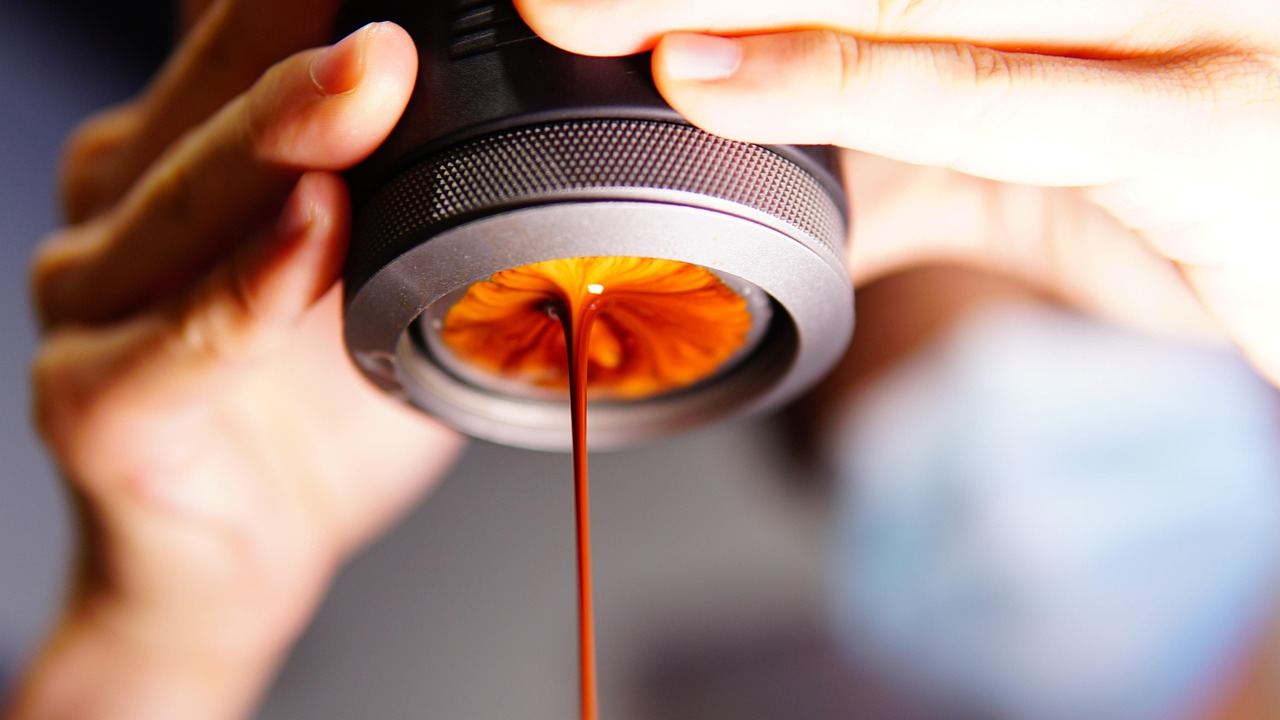
Beverage making isn't just about following recipes—it's an art of experimentation where your tweaks define the taste and experience.
Learning beverage making as a beginner opens the door to crafting everything from simple teas and coffees to complex brews and ferments.
Experimenting with ingredients and techniques lets you master both traditional and innovative drinks.
In Beverage Making, hobbyists engage in hands-on activities like measuring, mixing, and assembling ingredients for cocktails, mocktails, or infused drinks, often by preparing fresh elements such as slicing fruit, freezing berries, and balancing flavors through precise measurements and techniques.
Beverage Making fosters a flow state through repetitive tasks like stirring and measuring, while skill feedback loops provide immediate sensory results, enhancing creativity with improvisation and offering a sense of accomplishment when serving visually appealing drinks.
When you think about beverage making, you might picture thorough recipe-following. But limiting it to just that misses the real joy.
Beyond instructions lies a creative playground where you can experiment with ingredients and flavors.
Imagine substituting a classic ingredient for something unexpected or tweaking brew times. Beverage making is about crafting something uniquely yours.
The real satisfaction comes from understanding the techniques, then breaking the rules to create your signature blend. Next up: how to start exploring beyond the basics.
Your first session will smell better than it tastes. That's the honest summary. You'll slice citrus, measure syrups, shake or stir something that looks genuinely good — and then take a sip that's either too sweet, too sharp, or just... flat. The gap between a drink that looks right and one that tastes right is where all the actual learning happens.
The part most beginners don't expect is how physical the process is. Hands get sticky. Ice melts faster than you planned. A syrup reduces too far or not enough. Beverage making is a tactile hobby — your hands and nose will train faster than your brain will. You'll start noticing things by feel and smell before you can articulate why something works.
There's also a measurement problem that catches almost everyone early. A quarter-ounce of syrup sounds trivial until it completely throws off your balance. Precision matters more in the first few sessions than creativity does — not because the rules are sacred, but because you need a baseline before you can break it intentionally.
The encouraging part: feedback is immediate. You make something, you taste it, you adjust. That loop is fast and weirdly satisfying even when the drink misses. A bad batch isn't a setback — it's the clearest signal you'll get about what to fix next. The mistakes that trip up beginners most, though, follow predictable patterns — and knowing them ahead of time saves a lot of wasted ingredients.
When to start: Morning
Duration: 1-2 hours
Cost to try: $10
Success criteria: if you finished without discarding everything as a failure, do session 2.
It's tempting to stock up on everything at once — shakers, muddlers, fermentation kits, tea infusers. But most beginners buy for the hobby they imagine, not the one they'll actually practice. You only need gear for the single drink type you're starting with. Everything else is a distraction that collects dust.
Pick one format — cocktails, cold brew, infused waters, kombucha — and commit to it for a month. The equipment you actually need will become obvious once you've made ten batches of the same thing.
Flavor balance in beverages is unforgiving. A splash too much citrus or a heavy-handed pour of syrup throws off the entire drink. Beginners often skip measuring because it feels overly fussy — but that's exactly why their results are inconsistent.
Measure precisely until you can taste the difference, then you can start trusting your instincts. A jigger for spirits, a kitchen scale for tea and infusions, and measuring spoons for syrups cost almost nothing and fix most early failures immediately.
You make a drink, it tastes off, so you swap the spirit, change the ratio, add a new garnish, and use a different mixer — all in the same batch. Now you have no idea what actually fixed it. This is one of the most common ways beginners stall out without realizing it.
Change one thing per batch and write down what you changed. Even a basic notes app works. After a few iterations you'll have a real understanding of how each variable affects the result — and that knowledge carries into every drink you make after.
Most beginners follow a recipe, finish the drink, and then taste. By that point, there's nothing left to adjust. Beverage making gives you instant sensory feedback at every stage — the whole point is to use it.
Taste as you go: after adding each major ingredient, before and after chilling, before serving. Small mid-process adjustments are always easier than trying to rescue a finished drink. This habit alone accelerates your palate faster than any guide or tutorial.
A bitter cold brew, a flat kombucha, a cocktail that tastes like medicine — these aren't signs you should stop. They're diagnostic data. Every off-batch tells you something specific about what went wrong, whether that's steep time, temperature, fermentation duration, or balance.
The feedback loop in beverage making is immediate — that's the advantage, not the problem. A bad batch you understand is worth more than a good batch you can't repeat.
Reddit is the fastest way to find your people. Start with r/cocktails, r/homebrewing, r/tea, or r/mead depending on your focus — each has hundreds of thousands of active members sharing recipes, troubleshooting ferments, and rating each other's pours.
For in-person connection, homebrewing supply shops are a surprisingly reliable hub. Most local homebrew shops host free tasting nights or beginner workshops — walk in and ask. The American Homebrewers Association also maintains a club finder at HomebrewersAssociation.org that lists registered clubs by zip code.
Craft beer festivals, kombucha tastings, and cocktail competition nights at local bars all draw hobbyists at every level. Search Eventbrite using terms like "homebrew swap," "fermentation workshop," or "cocktail class" filtered to your city. A hands-on class at a local distillery or mixology bar is the single fastest way to meet serious enthusiasts and get live feedback on your technique.
Cocktail and mocktail mixing is the fastest on-ramp into beverage making. You measure, combine, taste, and adjust — all within a single session.
This is the path for anyone who wants immediate sensory feedback and something to show off at the end of the night. The skill ceiling is higher than it looks, but the entry point is just a shaker and some curiosity.
Home brewing — beer, wine, cider, kombucha — runs on patience. You set things in motion and then wait days or weeks for fermentation to do its work.
The appeal is the process itself, not just the pour. You learn about yeast, temperature, sugar content, and carbonation. Every batch teaches you something the last one didn't.
Specialty coffee and tea making turns a routine habit into a genuine craft. Dialing in grind size, water temperature, steep time — small variables that produce dramatically different cups.
This one suits people who already drink coffee or tea every day and want to stop settling for mediocre. The gear investment can stay minimal, and the improvement curve is steep in the best way.
Infusing spirits, vinegars, or waters with fruits, herbs, and botanicals is about building flavor from scratch. You steep ingredients over time and taste as you go.
This suits creative thinkers who treat the kitchen like a lab. There's no strict formula — just your palate and a willingness to try combinations that haven't been tried before.
Shrubs, syrups, and craft sodas are the underrated corner of beverage making. You're building concentrated flavor bases that can go into anything — alcoholic or not.
The social upside is real here. A house-made ginger syrup or blackberry shrub turns a basic sparkling water into a conversation starter. It's also one of the easiest ways to start experimenting without committing to a full brew setup.
Readers who enjoy this often gravitate toward Mead Making next.
The skill that separates people who keep improving from people who plateau is palate calibration — the ability to taste what's actually in your glass, not what you expect to be there.
Most beginners taste a drink and think in binaries. Too sweet. Too bitter. Needs something. That reaction is useful, but it's not calibration. Calibration means isolating which element is off — acid, sweetness, dilution, or bitterness — and adjusting one variable at a time to fix it.
Here's where it clicks: every sensory result in beverage making has a cause. A flat cocktail is usually under-diluted or missing acid. A muddy tea is over-steeped or over-packed. Once you can name the problem precisely, the fix becomes obvious — and your next attempt is already better.
This is what makes beverage making genuinely rewarding rather than just mechanical. The feedback loop is immediate and edible. Build this one skill and every recipe becomes a starting point, not a ceiling. The next section covers where to actually begin practicing it.
Give this a real shot with four sessions over two weeks — one focused on mixing, one on infusing, one on balancing flavors, one on something you made up yourself.
That spread is enough to feel the repetitive rhythm, hit your first real failure, and taste something you're actually proud of.
That's the hook. If you were sneaking sips mid-process, adjusting ratios without being told to, or already mentally redesigning your second batch during your first — the sensory feedback loop has already got you.
From here, pick a specific category — cold brew, shrubs, fermented sodas, spirit infusions — and go deep on one before spreading out. Generalism comes later.
Indifference here usually means the format was wrong, not the hobby. Solitary measuring and mixing might not be the entry point that clicks for you.
Try a cocktail-making class with other people, or build a drink around something social — a dinner party, a themed night. If context changes nothing, the hobby probably isn't the fit.
If the measuring felt tedious, the waiting felt pointless, and the cleanup felt like punishment — that friction isn't beginner awkwardness, it's a signal about what kind of maker you are.
You likely want faster, looser creative output with less precision. Cooking, food styling, or even coffee art might scratch the same itch without the process overhead.
Opening the fridge to check on an infusion you started two hours ago — twice — is the involuntary tell that this hobby has already moved in.
Sometimes you just need something for the next ten minutes — that's what things to do when bored is for.
Basic beverage making requires minimal gear to begin—you'll need a good quality pitcher or mixing vessel, a scale for precise measurements, and basic tools like spoons and strainers. As you advance, you might invest in specialized equipment like brewing kettles, fermentation vessels, or espresso machines, but these aren't necessary for beginners trying coffee, tea, or infusions.
Time varies dramatically by beverage type—a simple cold brew takes 12–24 hours, hot tea steeps in 3–5 minutes, and craft cocktails take 5 minutes to prepare. Fermented beverages like kombucha or homemade wines require weeks to months, but actual hands-on time is usually minimal.
No—most beverages are beginner-friendly and forgiving. Starting with tea infusions, cold brews, or simple syrups teaches core skills with minimal risk of failure. As you gain confidence, you can progress to more complex processes like fermentation or craft cocktail techniques.
You can start for under $50 with basic tools and quality ingredients for tea or coffee experimentation. Initial costs scale up if you pursue specialized hobbies like home brewing ($100–$300) or kombucha fermentation ($50–$150), but ingredients themselves are affordable once you invest in equipment.
The range is extensive—craft coffee and specialty teas, cold brews, smoothies, infused waters, homemade syrups, fermented drinks like kombucha, cocktails and mocktails, and even small-batch beer or wine. Most people start with simple infusions and expand based on their interests.
Absolutely—beverage making is highly accessible and doesn't require culinary training or prior experience. Simple techniques like steeping, mixing, and measuring are easy to learn, and you'll develop more advanced skills naturally as you experiment with different recipes and methods.