BoredomBusted — Find Your Next Favorite Thing To Do
Discover hobbies, activities, places, and ideas that spark joy. Whether you're looking for something creative, active, social, or relaxing, BoredomBusted helps you find your next favorite thing to do.
Browse our hobby guides, things-to-do collections, and place ideas to never be bored again.
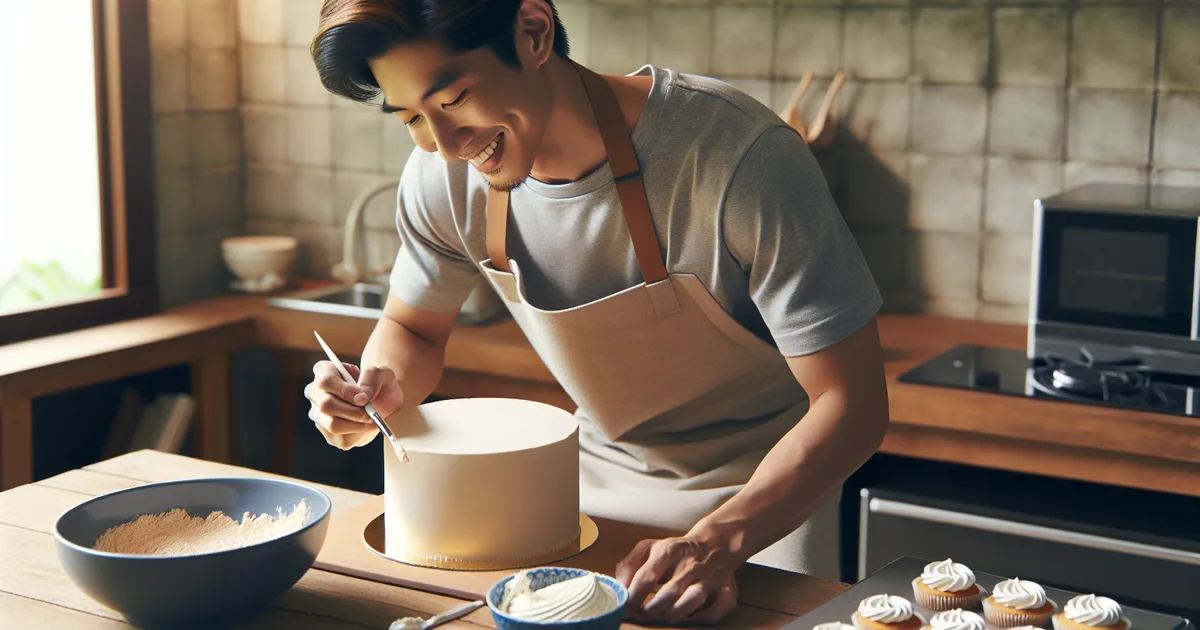
Cake decorating is more about mastering motor skills and precision than baking; think sculpting rather than cooking for real expertise.
Getting started with cake decorating as a beginner allows you to turn ordinary cakes into delightful edible art. Using frosting, fondant, and piped designs, you create art that you can eat.
This artistry plays with texture, color, and structure. Every element combines to enhance both appearance and flavor.
Decorating is more about style than baking science. While baking requires precision, decoration is about visual creativity.
In cake decorating, you design and embellish cakes using techniques like piping, fondant application, and painting, transforming simple baked goods into visually striking desserts through careful detail work and creativity.
Cake decorating engages the creative drive and facilitates a flow state, as you focus on intricate designs and techniques, providing immediate feedback on your skills and a satisfying sense of accomplishment with each completed cake.
You think cake decorating is a hobby for people who already know how to bake. Something domestic. Quiet. A little Pinterest-y.
That assumption is costing you a genuinely weird, technical, almost architectural skill set.
Cake decorating involves sculpture more than cooking – the baking is just creating your canvas. The real work starts when the oven's off.
Precision trumps creativity – a sturdy buttercream rose needs precise control of temperature, pressure, and timing.
The learning curve targets your hands – muscle memory in piping takes weeks to build.
A florist who picked this up to make her daughter's birthday cake spent the first two sessions just practicing pressure on parchment paper – no cake involved.
By session four she was piping consistent rosettes. She didn't get better because she got more creative.
She got better because she treated it like a motor skill.
You're switching from making something pretty to building a repeatable technique. That's what separates people who plateau from those who get good.
The next question is whether your setup is working against you before you even start.
Watching a decorator ribbon-pipe a perfect rose in seconds is mesmerizing. Then, reality hits when your first piping bag explodes buttercream up your arm. Most people quit or get hooked right there — when they realize watching is easier than doing.
Mess is inevitable. Swirls won't be symmetrical, fondant will tear, and buttercream will end up everywhere. But there's also a small win — that one decent rosette that makes you feel proud. The cake tastes better than it looks, and that's part of the charm.
Week by week, tiny victories build up. Those shaky hands grow steadier. One piping technique finally clicks — maybe it's star tips or borders. By then, you might feel brave enough to photograph your creation. Just not brave enough to post it online.
Keep it cold longer than you think necessary. Warm buttercream ruins shapes, turning intricate designs into blobs. Use cold buttercream, and give your cake a chill in the fridge before piping.
When to start: Morning
Duration: 1.5 hours
Cost to try: $15
Success criteria: If you frost a cake smoothly, pipe at least two clean borders or flowers, and add one tinted design, do session 2.
Butter should be soft but not melting for buttercream. Beginners grab it straight from the fridge, thinking room temperature is just a suggestion. Give butter two hours at room temperature. It should be dentable with a thumb, yet keep its shape.
Beginners turn piping into a precision battle, locking elbows and wielding stiff hands like swords. Relax your arms and pipe from your shoulder. You'll get smoother lines and less frustration.
Some skip this layer, seeing it as optional. But without it, crumbs play peek-a-boo under your final frosting. Apply a crumb coat, refrigerate for 20 minutes. Then finish with a smooth final layer.
An overstuffed bag seems efficient until warmth turns frosting liquidy. Limit the bag to half-full – refill often. It's easier than wrestling with drippy frosting.
Seeing a cake stop steaming tricks some into frosting right away. But warm layers turn frosting messy. Ensure the cake is entirely cooled. Let it sit for two hours on a rack, or chill in the fridge for 30 minutes after cooling.
Cake decorating isn't just for home kitchens. It unfolds at community centers and hourly rental studio spaces. Some bakeries even host workshops on weekends, so reach out and ask your local bakery if they do this.
Online, start with Facebook Groups like "cake decorating [your city]" or "sugarcraft [your state]." These groups are lively, local, and free to join.
For structured learning, use Wilton's class locator at wilton.com/classes. You'll find certified instructors nearby and can filter by skill level.
Eventbrite is perfect for discovering "buttercream workshop" or "fondant class" events. These are often one-day paid classes, ideal for beginners.
When you attend, just say you're new at working with fondant or royal icing. This will get you the instructor's attention and help early on.
Buttercream uses frosting, spatulas, and piping bags to create textures and smooth finishes. Mistakes are easily fixed, making it very beginner-friendly. A starter set of piping tips costs about $10–$15.
Great for beginners wanting quick success with minimal tools.
Fondant is the smooth, rolled sugar paste seen on elegant wedding cakes. It offers a polished look but highlights every imperfection, like tears and bubbles. Expect to spend an additional $15–$30 on fondant and tools.
Perfect for decorators after a refined, sculpted appearance with patience to learn.
Focused on cookie decorating, royal icing boosts your piping precision for cakes as well. It focuses on detail and is ideal for those who enjoy precise, methodical work.
Best for developing intricate line control over large visuals.
Crafted from gum paste or sugar, sugar flowers require building each petal by hand. The process is challenging but leads to stunning results. Prepare to invest $30–$50 for supplies like gum paste and cutters.
Ideal for those experienced in buttercream or fondant seeking a specialized skill.
Use ganache drips and mirror glazes to prioritize aesthetics without advanced techniques. Quickly achieve a modern look that's perfect for sharing on social media.
Best for beginners aiming for photogenic cakes, or experienced decorators seeking faster styles.
If you want a related angle, Dessert Making is the natural next stop.
If you want a related angle, Bread Making is the natural next stop.
Another variant that pulls from the same roots is Fermenting.
Pressure control is the one skill that separates beginners from skilled decorators.
It's about regulating how hard you squeeze the piping bag and knowing when to ease off.
Every perfect rosette or border hinges on this control.
Get it right, and your lines remain smooth. Shapes close cleanly, avoiding those annoying floppy tails.
Without mastering pressure, it's easy to blame other factors like the recipe or humidity. In reality, it's all about your grip.
Consistent pressure gives your borders a confident appearance.
With slower movements, the issue becomes clear. Recognizing it is the first step.
Six sessions over 30 days. Aim for about twice a week, with each session lasting roughly 90 minutes. This timeframe is long enough to move beyond the novelty and see how you truly feel about cake decorating.
Finding yourself eager to start the next session? That's more than enthusiasm – it's a sign of momentum. You're noticing small improvements and craving more progress. Invest in a new tool and start learning from decorators who challenge your current skill level.
If you completed all six sessions but aren't pulled back in, take note. The appeal might have been the idea of cake decorating – the visuals or the finished product – not the actual practice. If you've yet to try royal icing or fondant, consider an extra month. But if those have been tried and you're still unmoved, then you've found your answer.
Watching the clock and dreading cleanup is a clear signal. Some enjoy the creative expression but dislike the mess, precision, or repetition involved. This isn't about phases or mindsets – it's about personal preference in the kitchen.
The one sign you shouldn't ignore is if you're not even decorating yet but can't help zooming in on cakes at events. Noticing border techniques on store cakes or repeatedly viewing Instagram cake snapshots for your own interest suggests a genuine connection.
Looking for something lighter? Our boredom-busters guide is built for exactly that.
A basic starter kit with piping bags, tips, spatulas, and turntable typically costs $30–$60. You can begin with even simpler tools for under $20 and gradually invest in specialty equipment like airbrushes or fondant tools as your skills develop. Many bakers start with kitchen items they already own before buying dedicated decorating supplies.
Cake decorating has a low barrier to entry but rewards consistent practice. Simple techniques like frosting and basic piping can be learned in a few sessions, while advanced skills like fondant modeling or intricate designs take months to master. Most beginners can create impressive results within their first few projects with patience and experimentation.
A simple decorated cake takes 30–60 minutes, while moderately decorated designs typically require 2–4 hours. Elaborate wedding or competition cakes can take 8+ hours depending on complexity. Time improves significantly with experience as you develop muscle memory and work faster.
You need basic cake baking ability—understanding how to mix batters, control oven temperature, and produce a level cake. Decorating focuses on frosting, design, and presentation rather than baking itself, so you can improve your baking skills alongside decorating techniques. Many decorators practice both skills together to achieve the best results.
Buttercream is creamy and forgiving for beginners, made from butter and sugar; it's great for rustic or textured designs. Fondant creates smooth, polished finishes and is ideal for formal cakes but has a steeper learning curve. Royal icing hardens completely and is best for detailed piping work and decorative elements like flowers.
Yes—many decorators buy pre-made cakes from bakeries or grocery stores to focus purely on decorating skills. This is a practical way to learn without managing both baking and decorating variables, though eventually learning to bake your own gives you more control over cake structure and flavor.