BoredomBusted — Find Your Next Favorite Thing To Do
Discover hobbies, activities, places, and ideas that spark joy. Whether you're looking for something creative, active, social, or relaxing, BoredomBusted helps you find your next favorite thing to do.
Browse our hobby guides, things-to-do collections, and place ideas to never be bored again.
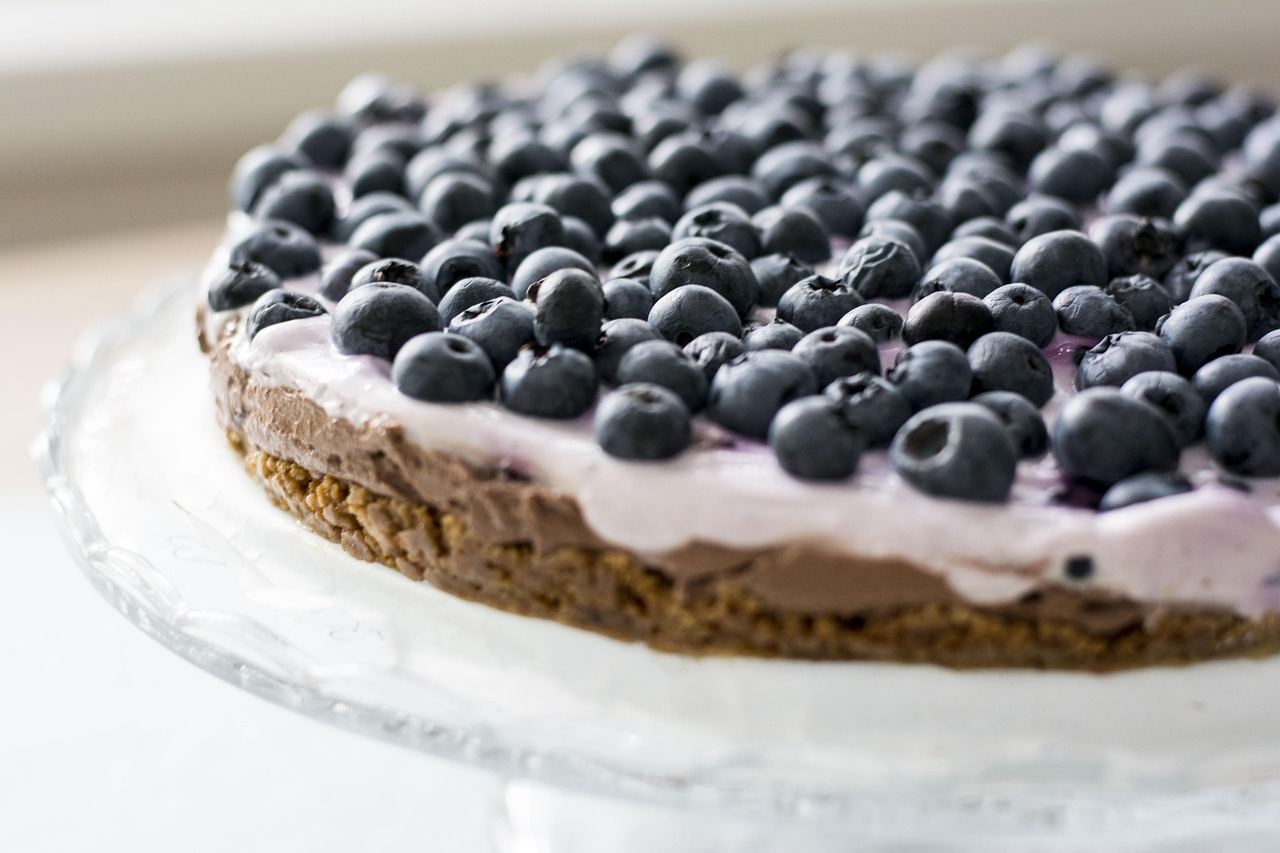
Dessert making is more chemistry than following recipes — temperature and timing mistakes are the real culprits behind most baking failures.
Learning dessert making as a beginner is a delightful journey into crafting sweet dishes like cakes, pastries, and chocolates.
Small changes matter in dessert making. Precise ratios of sugar, fat, and temperature can dramatically alter the outcome.
Desserts require precision rather than guesswork. This high level of accuracy leads to a particularly satisfying mastery.
In dessert making, you engage in hands-on activities like measuring, mixing, and baking to transform basic ingredients into visually appealing treats, such as layering icebox cakes or whipping cream for cobblers, while also experimenting with flavors and troubleshooting textures to achieve the perfect result.
Dessert making fosters a flow state through its multi-step processes that demand focused attention, while immediate skill feedback from sensory cues like texture and aroma provides a rewarding sense of accomplishment, creativity, and social connection through shareable results.
You think dessert making is simple. Follow a recipe, mix, bake. Easy afternoon project, right?
That's why cakes sink and caramel seizes more often than not.
Dessert making is applied chemistry. The fat-to-flour ratio affects texture before the oven is even on. A degree here or there in butter temperature can decide if your croissant ends up perfect or as a brioche. Timing? It's not on a clock – visual clues tell the real story, like catching that perfect amber just before caramel turns bitter.
A pastry chef in Lyon teaches patience first. Not touching sugar as it melts. Just watching for ten minutes. Learning what 'almost there' looks like is key to catching it before it's too late.
Recipes aren't just instructions. They're maps. Each time you understand this, your skills transform.
Day one is where this journey really begins, and the next section dives into how that unfolds.
Videos make folding ganache or pulling sugar seem meditative. Calm hands glide through glossy surfaces, achieving perfect results effortlessly.
In your first real attempt, expect surprises. Chocolate seizes, crusts stick, and custards turn lumpy. It's all part of learning.
The world of baking isn\u2019t just about precision; it\u2019s about timing too. You\u2019ll come to appreciate the subtleties, like why room temperature butter matters, and how rushing changes everything.
Get a candy thermometer. It\u2019s crucial for mastering sugar stages because terms like 'soft ball stage' can be baffling without it.
Facing ugly batches and wasted ingredients is common.
Many quit here, just before things start clicking. Hang in there, because the next section tackles common errors that keep bakers in frustration longer than needed.
When to start: Morning
Duration: 1 hour
Cost to try: $15
Success criteria: If your cake bakes evenly and a toothpick comes out clean from the center, do session 2.
Beginners often swap butter, oil, and margarine in recipes because they all seem "fatty." This switcheroo can ruin your bake, turning cakey into greasy or chewy into crumbly. Stick to the specified fat in your recipe until you know why it's there.
Eyeballing flour leads to big variations. A cup can weigh anywhere from 120g to 180g. That's a 50% swing affecting your bake.Use a kitchen scale and measure by grams every time.
Opening the oven feels like due diligence but actually ruins the bake. A quick peek drops the temperature by 25°F or more, which can cause soufflés to fall or cakes to sink.Trust the timer and use the oven light without opening the door prematurely.
Rushing butter and eggs out of the fridge leads to cold ingredients that don't mix well. Cold butter won't cream properly, and cold eggs can curdle batters.Take them out 45 minutes before you start mixing.
New bakers often hold off tasting until the dessert is done. That's when you find under-salted batter or overly sweet ganache.Taste at each stage - the batter, cream, and filling - to adjust flavors as needed.
Most people dive into dessert making at home, exploring flavors and textures in their own kitchens.
Community college culinary programs, bakery workshops, and cooking class venues offer a structured way to elevate your skills.
Explore local chapters of the American Culinary Federation. Not exclusively dessert-focused, but a solid place to meet pastry pros and attend events.
Casually introduce yourself and express a desire to learn. Opening up about your curiosities will often lead to insightful conversations about techniques and common mistakes.
The right dessert-making path makes all the difference. Start smart to avoid months of frustration.
Baking cakes, cookies, and bars offers a forgiving beginning. Recipes are precise, but there's room for error. Start here to see fast progress with visible results. A basic hand mixer ($25–$40) suffices for essentials.
Mastering croissants, puff pastry, and danishes demands precision. Temperature and timing are the whole game here. Ideal for those with basic skills seeking to push boundaries and embrace frequent failures as learning.
Confectionery involves controlling sugar and chocolate at precise temperatures. A candy thermometer ($10–$15) is vital. Perfect for precision enthusiasts who embrace a science-driven, steep learning curve.
No-bake desserts rely on skill, not heat, for texture. Think mousses, icebox cakes, and cheesecakes. Ideal for those with unreliable ovens or those seeking a different culinary skill set without baking basics.
Frozen desserts like ice cream and sorbet depend on mastering ingredient ratios. A machine is optional; granita needs just a fork and a freezer. Great for summer explorers wanting an exciting, low-risk start.
Bread Making lives in the same world — different mechanics, similar appeal.
For something adjacent, see Home Cooking.
If the texture of this appeals to you, Pasta Making is built on similar bones.
Beginners often blame recipes when things don't turn out right. The recipe was never the problem.
The real skill is reading your batter and dough by texture, not measurements. Recognize that "add milk until smooth" means a thick ribbon off the spoon, neither watery nor gluey. Adjust as you go, instead of relying on rigid measurements that ignore humidity or ingredient variations.
Knowing how to read texture means you're no longer at the mercy of environmental factors. Recipes are just a guide, not the final word.
Without this skill, you'll make the same dense brownie or cracked cheesecake repeatedly. You'll believe you're just not cut out for baking.
Mastering texture reading unlocks a whole new world of baking creativity. Next, we'll explore measuring mindsets and how they impact your confidence in the kitchen.
Try 6 sessions over 30 days. Plan for about one and a half per week, keeping space for reflection.
If you find yourself planning the next baking session in the middle of the week, that enthusiasm signals something deeper. You're curious about the process, not just the end product. Upgrade specific techniques like whisking or folding next.
If the sessions felt like an obligation, that's perfectly honest feedback. Try making one quick dessert like a fruit tart before deciding it's not for you, as patience varies greatly in this hobby.
If each session left you drained, and precision felt like drudgery, that's a clear sign. Many love the outcome, but some don't enjoy the process itself.
The unmistakable sign: you're watching dessert videos for technique, not taste. If that's where your curiosity leads, you're on the right path.
When you don't want to commit, things to do when bored is a better starting point.
You can start with basic tools: mixing bowls, measuring cups and spoons, an electric mixer, baking sheets, and a reliable oven. As you progress, you might invest in specialized items like a stand mixer, silicone molds, or a kitchen scale for precision, but these aren't necessary for beginners.
Most beginners can master fundamental techniques like creaming butter and sugar, folding, and basic baking within 2–4 weeks of regular practice. However, developing consistency and tackling advanced techniques like tempering chocolate or making pâte à choux typically takes several months of dedicated practice.
No—dessert-making welcomes complete beginners. Starting with simpler recipes like brownies, cookies, or mousse helps you build confidence before moving to layered cakes or pastries. Many successful home bakers have no formal training.
Initial costs can be minimal—$30–$50 covers basic tools and ingredients for your first few desserts if you use items you likely already have. Higher-quality equipment or specialty ingredients add to the cost, but they're optional investments for hobbyists.
Beginners often overmix batter, skip ingredient measurements, or don't read recipes fully before starting. Temperature control—chilling dough, using room-temperature eggs, and proper oven preheating—is another frequent oversight that impacts results.
Absolutely—a whisk, wooden spoon, and some elbow grease work perfectly for most desserts, though mixing may take longer. Electric hand mixers are also affordable alternatives to stand mixers for beating, creaming, and whipping.