BoredomBusted — Find Your Next Favorite Thing To Do
Discover hobbies, activities, places, and ideas that spark joy. Whether you're looking for something creative, active, social, or relaxing, BoredomBusted helps you find your next favorite thing to do.
Browse our hobby guides, things-to-do collections, and place ideas to never be bored again.
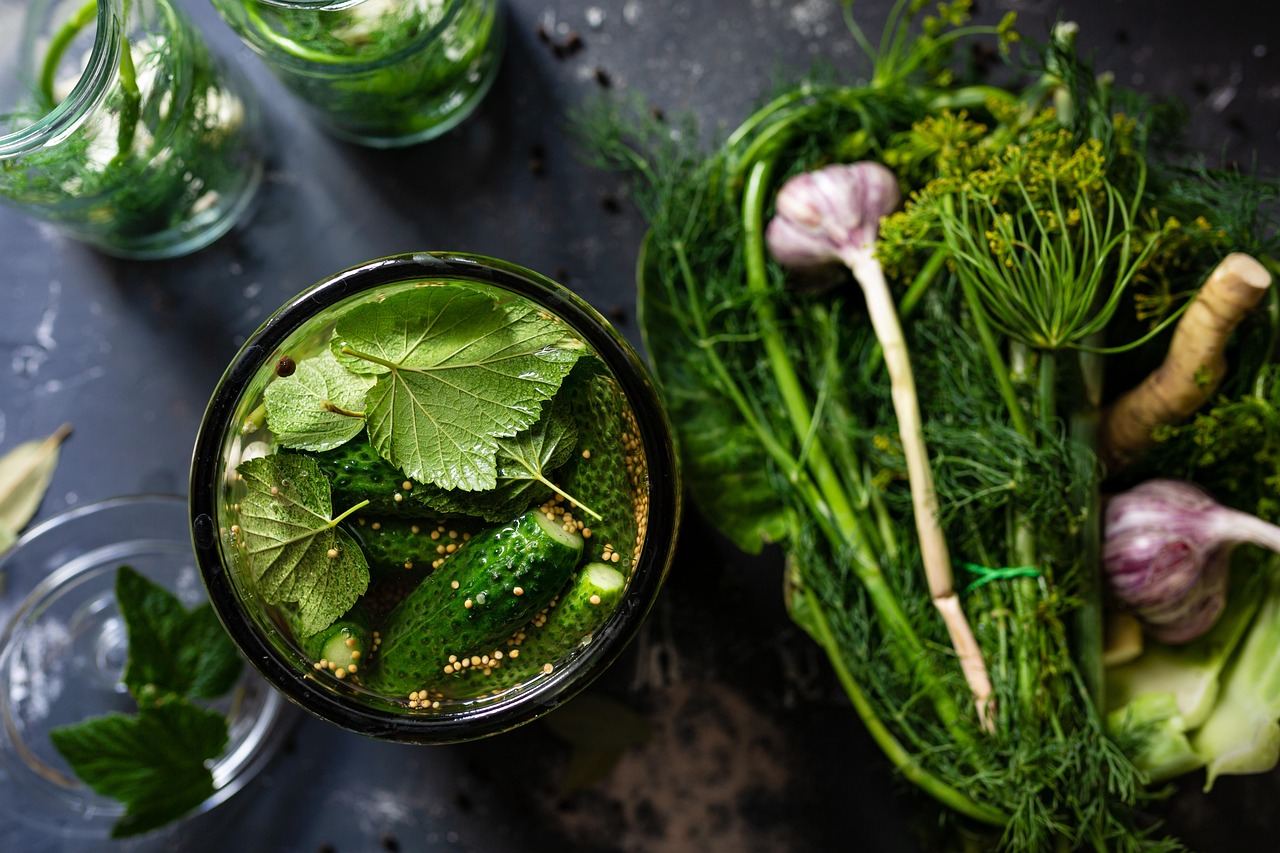
Fermenting isn't about avoiding failure—it's about guiding microbial ecosystems for flavor, just like nurturing a garden.
Getting started with fermenting as a beginner is a fascinating journey that allows you to transform simple ingredients into flavorful staples like sauerkraut, kombucha, sourdough, or hot sauce.
Microbes consume sugars and produce acids, alcohol, or gas, which preserves food and deepens flavor.
Unlike cooking, nothing gets destroyed by heat — you're building a living system, not dismantling one.
In fermenting, you select fresh produce such as cabbage or jalapeños, prepare brines with precise salt ratios, chop ingredients, massage them to release juices, pack them into jars, and monitor the fermentation process over several days by observing bubbles and aromas while making adjustments as needed.
Fermenting fosters a flow state through low-effort monitoring of a living process, creating sensory feedback loops that build anticipation and provide immediate feedback on your technique, while also offering a sense of accomplishment from turning simple ingredients into complex flavors.
You think fermenting is all about avoiding disaster. Keep the temperature just right, don't let mold win, and pray for a decent smell — that's the whole game, right?
It's not. The real skill is learning to read and guide a living process.
Fermentation isn't just about avoiding microbes — it's about managing them.
Salt, temperature, and time are tools to choose your microbial winners.
Novices see every batch as a risky science experiment.
Seasoned fermenters think like gardeners — they set conditions, not rigid rules.
The sought-after complexity of flavors? It's the result of natural microbial battles.
Lactic acid bacteria dominating the mix is why kimchi has unmatched flavor.
Picture a jar of sauerkraut on your counter. By day three, the smell alters.
A few days later, the taste sharpens. You're not just making sauerkraut — you're participating in its transformation.
This dynamic process is exactly why your first ferment can surprise you — and why the next section will steer you before your first jar hits the counter.
Fermentation videos promise that it's just patience and jars.
Your first try reveals an unknown layer—timing, temperature, and a strange smell. This layer is real. It's the part they skip in tutorials.
Early on, you will encounter misleading signs. Jars sit silently, making you doubt if it's working.
The temptation to give up is common. That voice in your head suggesting store-bought options grows loud.
The critical factor isn't always obvious. Beginners often fixate on the wrong things.A precise salt ratio is more crucial to your success than vegetable type.
Skip guessing with volume measurements. Get a kitchen scale. Weigh your ingredients. Calculate salt to make that 2–2.5% magic happen.
When to start: Morning
Duration: 1 hour
Cost to try: $25
Success criteria: If your jar’s cabbage is fully submerged in its own brine and has started to bubble slightly, do session 2.
Salt amounts vary drastically when measured by volume. This can turn your kraut from crunchy to mushy. Use a kitchen scale. Always salt to 2% of your vegetable's weight.
It's tempting to check your ferment every day. But opening the jar exposes it to air, risking mold formation. Press veggies under the brine and leave it sealed for five days minimum.
Your kitchen's 78°F in summer is too warm. Fast ferments turn soft and develop off-flavors. Find a cooler spot like a basement shelf or a tucked-away cabinet.
Chlorine in tap water kills the necessary bacteria. It sabotages your fermentation. Use filtered water or let tap water sit overnight to evaporate chlorine.
That white film is likely harmless *kahm* yeast. Many beginners discard good batches over this. Skim it off with a spoon and keep your veggies submerged to continue fermenting.
Most fermenting happens at home. Your kitchen counter or a garage corner works great.
Community kitchen spaces and homebrewing stores offer more. Some host fermentation sessions or lend gear to members.
Introduce yourself as a newbie at these meetings. You might leave with a mentor and a starter culture in hand.
Use salt, vegetables, and a jar for lacto-fermentation.No special equipment or starter culture needed. Perfect for beginners with minimal mess-ups.
Kombucha brewing uses sweet tea and a SCOBY. Expect the process to take 1–3 weeks and need temperature control.Ideal for those who are okay with babysitting batches.
Sourdough involves wild yeast fermentation. It ties into baking for a two-hobby combo.More challenging than simple salt brining.
Miso and koji require long fermentation, sometimes over a year. This suits those who want an intricate, long-term set out.Initial costs include $20–$50 for koji spores and containers.
Homebrewing of beer, wine, or cider requires more gear and sanitation.Startup costs range from $60 to $100 before ingredients.
A close neighbor worth considering: Home Cooking.
If this resonates, Dessert Making explores a similar direction.
Pasta Making lives in the same world — different mechanics, similar appeal.
Sensory calibration makes fermenting click: interpreting smell, taste, texture, and visual cues as a living feedback system.
Most beginners obsess over recipes. The exact salt percentage, the right jar, the perfect temperature. The recipe isn't the problem.
Not being able to read your ferment is.
A ferment doesn't fail silently. Smells, tastes, and textures provide clues.
If you know what to listen for, you can decode exactly what's happening.
With sensory calibration, you stop treating every batch as a gamble. Real-time adjustments become possible – adding salt, moving the jar, or pulling it early.
Without this skill, you'll keep following the same recipe blindly. Twelve times, twelve surprises. Understanding comes from learning this crucial skill.
It's the difference between fermenting and just waiting.
Commit to 4 fermentation sessions over 30 days. That's roughly one per week. Each cycle includes mixing, waiting, tasting, and adjusting. This span gives you the chance to feel the true rhythm, not just the initial excitement. You'll see beyond the novelty, past that first inevitable batch failure.
When you're checking the jar anxiously and already thinking about the next batch, this is a real signal you're in. Process-based hobbies like fermenting suit you. The next step is to try branching out. Shift from vegetables to beverages or lengthen your timelines for added challenge.
If the process just doesn't spark anything and feels like a task list, that's key information. It suggests your interest is in the end product, not the craft itself. Fermenting is for those who enjoy the little details, and one more attempt won't change that truth.
The aroma turns you off, and the uncertainty stresses you out. This hobby isn't for you if jars invoke dread and not fascination. That doesn't mean there's anything wrong with you—fermenting creatively plays with decay, and not everyone finds that appealing.
Ingredient labels become fascinating. Suddenly, kimchi, sourdough, miso, and kombucha at the store have stories to tell. You're not just seeing them as food; you're curious what's inside. That's a brain shift you shouldn't overlook.
Looking for something lighter? Our boredom-busters guide is built for exactly that.
Fermentation timelines vary by product—kimchi and sauerkraut typically ferment in 3–7 days, while yogurt takes 4–12 hours and craft beer can take 2–4 weeks. Most ferments are hands-off after initial preparation, so active time is minimal even though total time varies.
You can start with basic kitchen items: glass jars, salt, and ingredients. For more serious ferments, consider glass fermentation weights, airlocks, or a temperature-controlled environment to ensure consistent results. Most beginners successfully ferment with just clean jars and ingredients.
Fermentation is beginner-friendly—the process is guided by natural microbes that do most of the work once conditions are right. Simple ferments like kimchi or sauerkraut require only ingredient mixing and basic temperature awareness, making them ideal starting points.
Basic fermentation costs very little—under $20 if you use jars you already have and purchase salt and ingredients. Investing in specialized equipment like airlocks or fermentation crocks can run $30–100, but it's optional for beginners.
Fermented foods contain beneficial probiotics that support gut health, improve digestion, and boost immune function. They also increase nutrient bioavailability and create complex flavors while reducing sodium needs compared to other preservation methods.
Fermentation can fail if exposed to air, contaminated with bad bacteria, or kept at improper temperatures, resulting in mold or off-flavors. Success comes from using clean equipment, maintaining proper salt ratios, keeping ingredients submerged, and fermenting at the right temperature range for each food.