BoredomBusted — Find Your Next Favorite Thing To Do
Discover hobbies, activities, places, and ideas that spark joy. Whether you're looking for something creative, active, social, or relaxing, BoredomBusted helps you find your next favorite thing to do.
Browse our hobby guides, things-to-do collections, and place ideas to never be bored again.
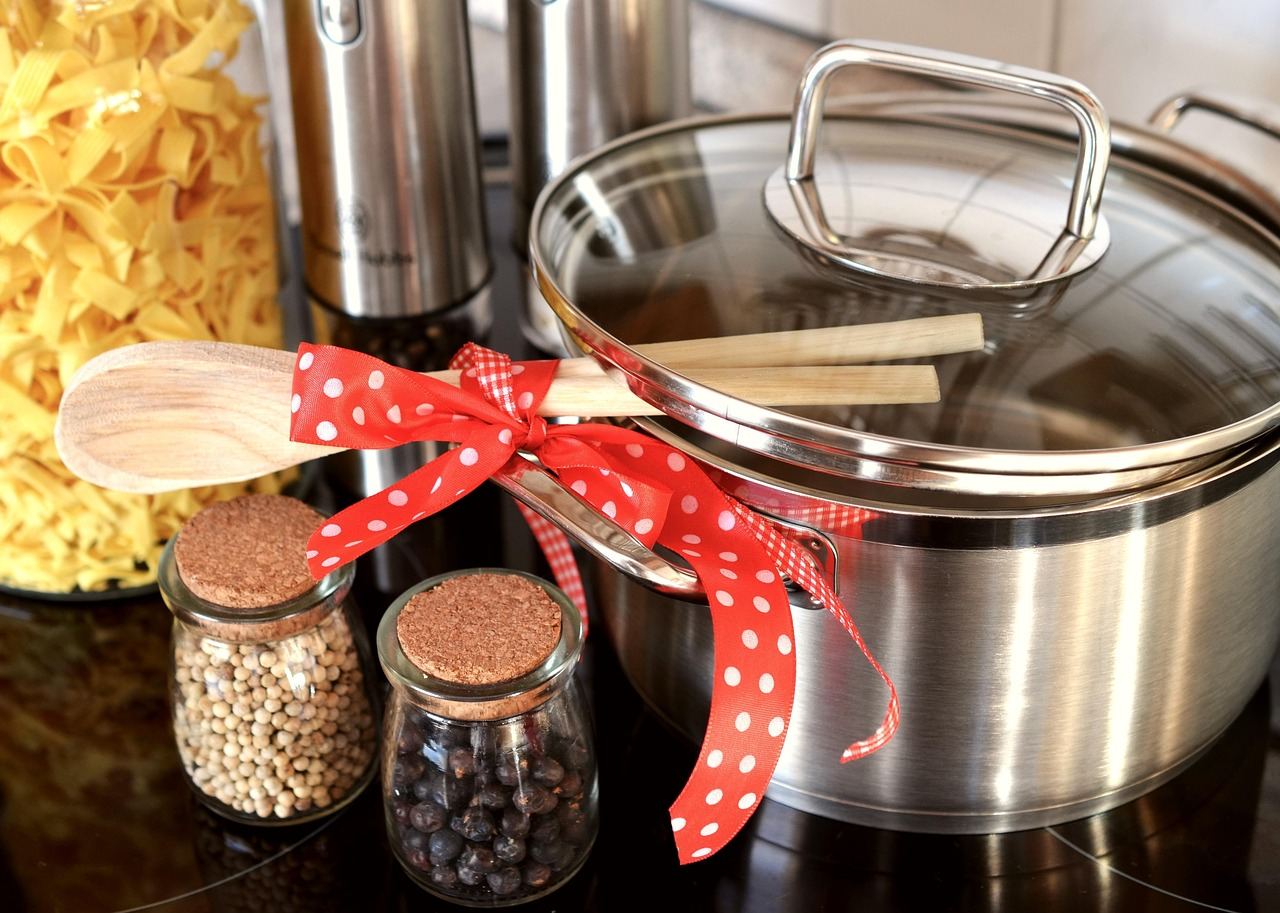
Most home cooks view recipes as strict guidelines, but the real skill emerges when you start to improvise and focus on texture instead of flavor.
Learning home cooking as a beginner allows you to craft delicious meals from simple, fresh ingredients right in your own kitchen.
You control what goes in, how it's made, and when it's served.
It's a daily skill built through repetition across every meal—not just a niche technique for special occasions.
Home cooking involves selecting recipes, gathering fresh ingredients, and executing hands-on techniques like chopping, kneading, and sautéing to create personalized meals. You measure and mix, roll dough, and plate dishes while experimenting with flavors and textures, often improvising to adapt recipes or reduce waste.
Home cooking fosters a flow state through rhythmic physical actions, while skill feedback loops provide immediate sensory validation as you taste and adjust flavors. Creative expression emerges as you experiment with novel ingredient substitutions, and a sense of accomplishment builds from transforming raw materials into satisfying meals, combating feelings of monotony.
You likely think of cooking as a basic chore, something done just to keep fed. This mindset keeps dinner stuck in a rut of reheated leftovers more often than not.
A friend who cooks seriously noted that a simple focus on
texture contrast transformed her boring weeknight meals. She began exploring how a dish could excel by questioning its texture rather than just its flavor. By doing this, she found even a plain Tuesday pasta became exciting.
Think of it...
trading mindless repetition for clarity
as understanding what makes a meal stand out will always improve your experience.
Ready to elevate your approach?
Suddenly, that elegant dish you saw on a cooking show seems unreachable. Your chopping feels clumsy, the aroma might not be inviting, and the kitchen gets messier by the minute.
It's all part of the process. That feeling of doubt is fleeting.
The recipe reads as manageable, but reality has other plans. Somehow, the onions aren't right, and dinner is later than intended. On the bright side, it's still tasty.
Your initial attempts leave you amused and puzzled, but week two opens your eyes. Why did that dish flop? Maybe the pan was too hot or you cut a corner.
That's the real breakthrough. Insight replaces doubt.
By week three, a single success—and a request for more—flips your perception of skill. You find a small comfort in the act of cooking.
Week four rolls in with less stress. You're still working at a slower pace, still making a mess, but the anxiety fades. You're not just following steps anymore; you're engaging with the process.
A flat dish often signals missing seasoning throughout the cooking—not just at the end.
Salting along the way matters more than you'd expect.
As the smoke alarm blares and chaos reigns, remember: Early cooking feels clumsy before it gets comfortable. Many stop just before this shift, but sticking with it brings consistent progress.
When to start: Morning
Duration: 1-1.5 hours
Cost to try: $15
Success criteria: If you cook a simple pasta or stir-fry to an even doneness and season it so the final dish tastes balanced, do session 2.
Turning up the heat seems faster. But often, this results in burnt outsides and raw insides.
Stick to medium heat, cover with a lid if foods look dry, and let the process unfold naturally.
Beginners often skim recipes, then wing it as they cook. This backfires when a step needed planning, like softened butter.
Read the full recipe first, and gather all ingredients to prevent surprises.
People often sprinkle salt at the end, leaving food tasting flat.
Season as you go, especially pasta water, until it resembles mild seawater for deeper flavor.
Piling in too much food cools the pan rapidly. Instead of browning, you steam the food.
Cook in smaller batches to achieve better texture and flavor.
Deciding the dish is ready after plating means missing a chance to adjust the flavors.
Taste halfway through and adjust seasonings for a balanced result.
Home kitchens and community kitchens are your go-to spots for cooking.
Community centers and culinary schools offer open classes where you can join drop-in sessions and meet fellow food enthusiasts.
The James Beard Foundation is the touchstone for cooking events. Their site has a list of regional events, communities, and resources for home cooks.
Tell the group you're a beginner and ask for advice on what dish to bring. This gives you a reason to participate and a connection with someone interested in your cooking journey.
Master the basics without shortcuts. If you're just starting with home cooking, this is your entry point. Simple meals, real ingredients, and no more than an hour in the kitchen.
If you want to save time, not master technique, bulk cooking is your go-to. Prepare meals for the week in a couple of sessions. Perfect for those who enjoy home-cooked meals minus the daily grind. Just budget for a few large containers and sheet pans upfront.
If you embrace precision over improvisation, baking is your match. Success relies on strict adherence to measurements, and a kitchen scale (~$15) is practically a necessity.
If you crave authenticity and variety, immerse yourself in a specific culinary tradition. Go beyond generic recipes as you invest $30–60 in foundational pantry staples and discover the logic behind a cuisine.
For seasoned cooks seeking a fresh challenge, live-fire cooking demands instinctual heat management. Grilling and smoking elevate your skills, with a basic charcoal setup starting at $50–150; smokers are a bigger investment at $200+.
Dessert Making is a sibling pursuit and often surfaces the same kind of curiosity.
If the texture of this appeals to you, Pasta Making is built on similar bones.
A close neighbor worth considering: Fermenting.
The secret to mastering home cooking is understanding heat, not just following recipes. Beginners often stress over ingredients and precise steps, but the real transformation happens when you grasp how heat works.
It's not about setting a burner to medium. It's about observing how oil moves, listening to the sizzle, and recognizing when food releases naturally from the pan.
Cooking by instinct frees you from the clock. Recognizing heat means knowing when to turn, flip, or stir, based on what's happening in the pan.
Every technique, like searing or simmering, is just applying the right heat level for the desired outcome. If you can't read heat, even a perfect recipe leaves room for error.
Cook 8 meals over 30 days. That's roughly twice a week, giving you time to build some muscle memory, not cram it into a busy schedule.
Eight sessions cover enough variety for honesty. You'll hit a tired night, a recipe flop, and a surprising success. That range is the actual test.
You kept looking up new recipes between sessions.Not about the results, but your mind staying in the kitchen after leaving it. Start by mastering 10-15 dishes you love to cook, then expand.
You finished the sessions but felt nothing either way.This means recipes were too safe or too hard. Try a meal that genuinely excites you to eat. If that still doesn't change the feel, cooking as a hobby might always feel like a chore.
You resented every session.Don't overthink it. Some find the process stressful. If that stress was consistent, cooking as a hobby might not be your thing.
You're watching cooking videos at 11pm, just for the fun of it. This pull toward food content, restaurant menus, or meals signals the hobby has a real hook for you.
Not ready to pick a hobby yet? The boredom busters page has smaller things to try first.
You can start with basic essentials: a sharp knife, cutting board, pots, pans, and mixing bowls. A good chef's knife and a 10-inch skillet will handle most everyday cooking tasks. As you progress, you can add specialized tools, but beginners don't need an expensive setup to create delicious meals.
Most people can learn fundamental techniques like sautéing, boiling, and roasting within 2–4 weeks of regular practice. Building confidence and expanding your recipe repertoire takes a few months, but you'll be creating satisfying meals from day one.
Yes, home cooking is typically 50–70% less expensive than restaurant meals when you cook efficiently and plan meals. Buying ingredients in bulk and reducing food waste further stretches your budget, making it one of the most cost-effective hobbies.
Begin with simple recipes that use 5–7 ingredients and basic techniques like pasta, stir-fries, or sheet pan dinners. Choose recipes you genuinely want to eat, follow them closely the first time, and don't be afraid to make mistakes—they're part of learning.
Practice frequently with different recipes, watch cooking videos to see techniques in action, and read food blogs or cookbooks that explain the 'why' behind methods. Tasting food mindfully and experimenting with flavors and spices also accelerates skill development.
Absolutely—exploring global cuisines is a rewarding part of home cooking and helps you discover new techniques and flavor profiles. Start with cuisines that appeal to you, learn about their signature ingredients and methods, and gradually build confidence with more complex dishes.