BoredomBusted — Find Your Next Favorite Thing To Do
Discover hobbies, activities, places, and ideas that spark joy. Whether you're looking for something creative, active, social, or relaxing, BoredomBusted helps you find your next favorite thing to do.
Browse our hobby guides, things-to-do collections, and place ideas to never be bored again.
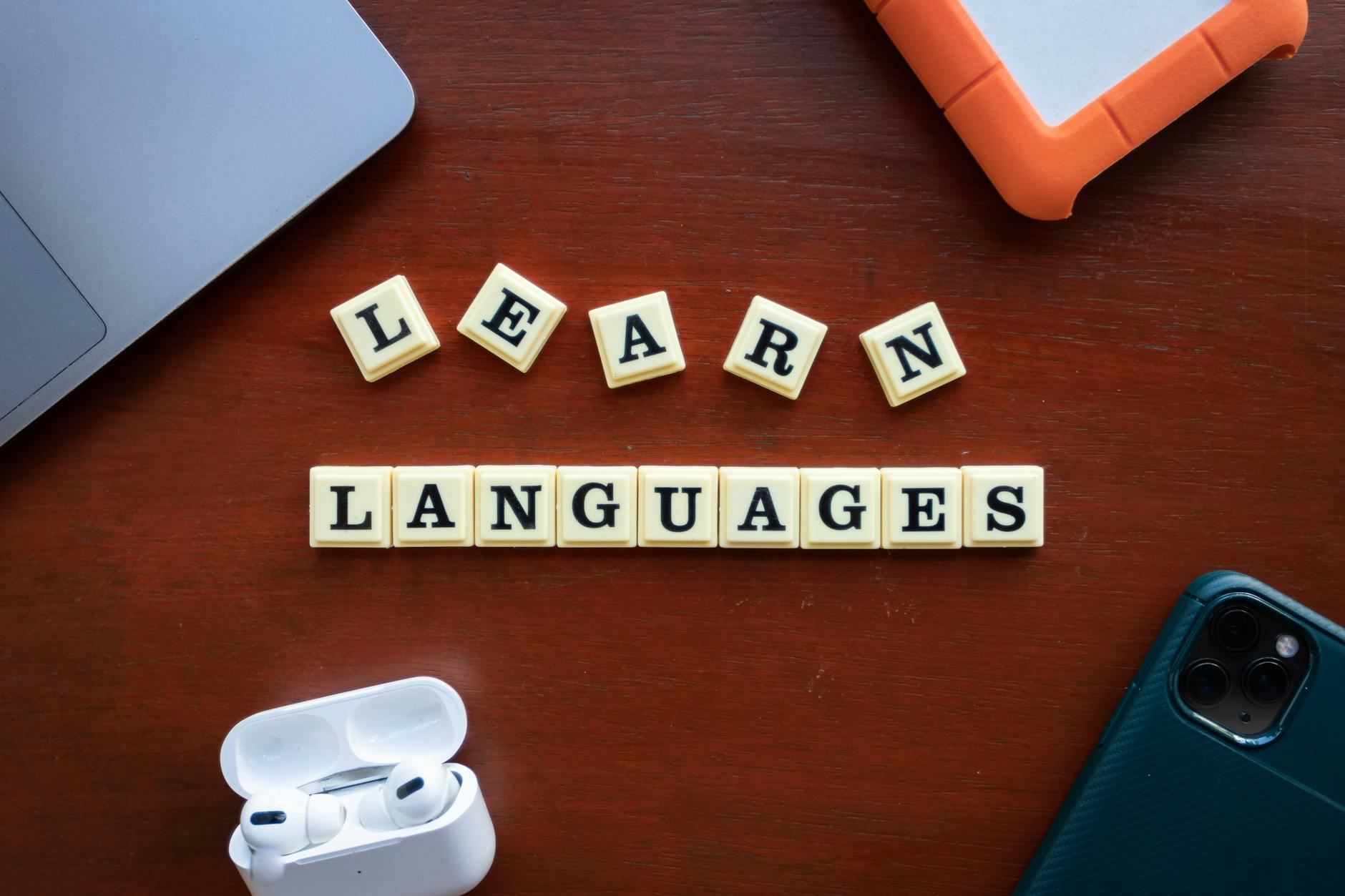
Language learning isn't just memorization — it's a vibrant journey of connection and culture through real-life interactions and media immersion.
Getting started with language learning as a beginner opens up a world of new perspectives and communication skills. It's a deep dive into new ways of thinking.
Grammar and vocabulary build the foundation, while cultural nuances add layers of meaning.
Language learning sharpens your mind and expands how you see the world.
Language learning involves engaging in structured activities like vocabulary memorization with flashcards, listening to podcasts, reading graded materials, writing exercises, and speaking practice through conversation or self-talk. Sessions typically last 15-30 minutes and may integrate into existing routines, like practicing during commutes or switching TV shows to the target language.
This hobby combats boredom through feedback loops that provide measurable progress, creating a sense of mastery that activates reward pathways; it also fosters flow by maintaining challenge and engagement, ensuring that learners feel both competent and stimulated throughout their practice.
You assume mastering a language is about memorizing endless lists of words and rules.
Imagine Lara, a beginner who chatted weekly with native speakers through online exchanges after only a month of lessons. She didn't just learn grammar from textbooks; she discussed her favorite bands and movies. Lara found conversations gave her a reason to learn the rules. They made the memorization feel less like a chore and more like the key to connection.
Discovering a language is diving into a world, not just a dictionary. Each phrase offers glimpses into cultural nuances and values. It's about understanding people, not just words.
Next, let's see how language learning transforms travel.
Your first steps in language learning can feel overwhelming. Basics like greetings, numbers, and simple sentences come at you fast. Expect to be intrigued by
the disconnect between pronunciation and spelling. This confusion is completely normal, but soon you'll notice patterns emerging.
Interestingly, small wins are incredibly uplifting—maybe you order coffee or catch the lyrics to a song. These small victories make the early struggles feel worth it. The next section explores common mistakes that could extend those struggles.
When to start: Early morning
Duration: 1 hour
Cost to try: $0
Success criteria: If you finished without skipping any steps, do session 2.
Grammar matters, but focusing too much on it can stop you from speaking.Learn from conversations instead. Talking to others helps you improve fluency through context, not just rules.
Consistency beats cramming. Short daily sessions aremore useful than weekly marathons. Make language learning a small but regular part of your day.
Good pronunciation is key to being understood.Practice with native speakers and use tools focused on correct sounds.
Apps are useful, but they can't be your only method.Diversify with media, podcasts, and live chats to fully develop your skills.
Language learners can find communities in local language clubs, online forums, and social media groups. These spaces offer support, practice partners, and cultural exchanges.
Online platforms like Discord and Reddit host vibrant language communities, providing a place to ask questions and share resources.
Language exchange meetups are another great way to practice speaking with native speakers while helping them learn your language.
Focus on practical communication. Perfect for travel or quick social connections. Ideal for picking up essentials fast without deep diving into grammar.
Rigorous grammar and vocabulary study. Great for academia or specialized professions. Commitment to thorough understanding is key here.
Immerse in a country where the language is native. Best for total immersion seekers ready for intensive learning amid a new culture.
If you want a related angle, Research Reading is the natural next stop.
Some of the same instincts show up in Tutoring — worth a look if this clicked.
Readers who enjoy this often gravitate toward Cultural Language Revival next.
Effective language learners welcome mistakes and use them to grow. Every error is a chance to understand more deeply.
Mistakes are proof you're trying. Accepting this helps you learn with ease and avoid the trap of aiming for absolute perfection.
Active listening plays a critical role. Focus intently on audio resources or conversations to sharpen your comprehension and speaking.
This natural engagement with the language boosts your confidence. Up next, find out how to apply these skills in real-world scenarios.
Try language learning with three sessions a week for a month. Keep the sessions spaced out to reflect on your progress and enthusiasm.
If exploring new words feels exciting and you're curious about cultural nuances, you're likely hooked. Track your progress with a diary and consider joining a language group for deeper engagement.
If language practice felt like an obligation, you're probably indifferent. Before quitting, try a different language-learning app or find a conversation partner to reignite interest.
If every session was a chore and stepping out of your comfort zone was dreadful, this isn't your hobby right now. Some people enjoy the idea but dislike the actual practice — that's okay.
The sign it's genuinely for you is when you're watching foreign films at 1am without subtitles.
Language Learning is a deeper commitment than most boredom cures — for lighter options, check things to do when bored.
Fluency typically takes 600–2,200 hours of study depending on the language's difficulty and your starting point. For Romance languages like Spanish or French, you might reach conversational fluency in 6–12 months with consistent daily practice. More complex languages like Mandarin or Japanese can take 2–3 years or longer.
Begin with a structured app or course that teaches core vocabulary and basic grammar, then supplement with immersive activities like podcasts, shows, or conversation partners. Most learners benefit from combining self-study with real-world practice—even 15–30 minutes daily yields better results than infrequent longer sessions.
Free platforms like Duolingo, YouTube, and podcast apps can get you started effectively, though premium courses often provide structured curricula and real instructor feedback. Many paid options range from $10–50/month for apps to $200–500 for comprehensive online courses, depending on your learning style and commitment level.
No—anyone can learn a language regardless of background, though ease depends on how different it is from languages you already speak. Beginners typically find Romance or Germanic languages more approachable, while tonal or character-based languages require more upfront effort but are entirely learnable with consistent practice.
Aim for 5–7 hours per week (roughly 45 minutes daily) to see measurable improvement in 2–3 months. Even 30 minutes daily beats sporadic weekend cramming, since consistent exposure helps your brain retain and apply new vocabulary and grammar patterns.
Apps offer flexibility and vocabulary drills but lack real-time feedback and conversational practice; classroom courses provide structure, instructor correction, and peer interaction but require fixed schedules. Many successful learners combine both—using apps for daily maintenance and occasional conversation lessons for real-world speaking confidence.