BoredomBusted — Find Your Next Favorite Thing To Do
Discover hobbies, activities, places, and ideas that spark joy. Whether you're looking for something creative, active, social, or relaxing, BoredomBusted helps you find your next favorite thing to do.
Browse our hobby guides, things-to-do collections, and place ideas to never be bored again.
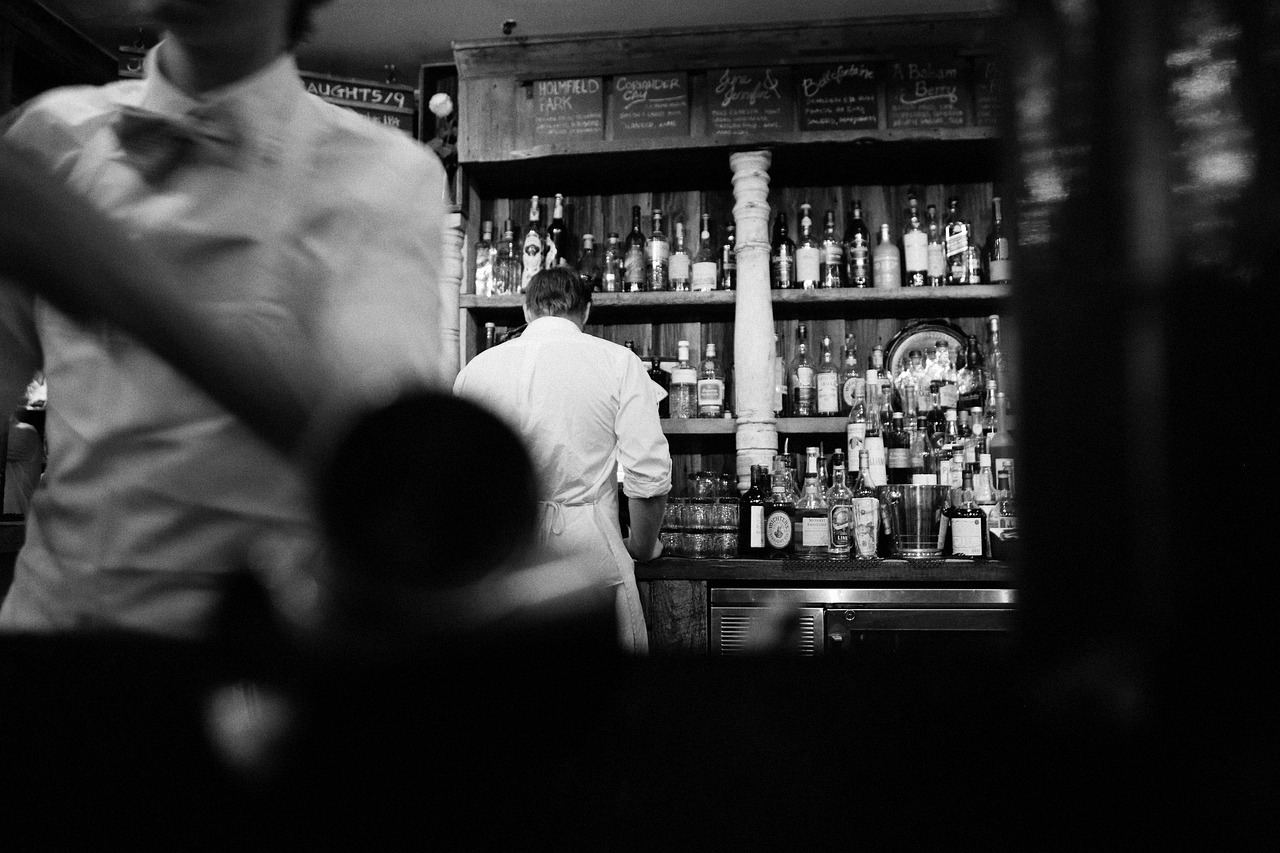
Mixology isn't about flashy bartending; it's mastering balance and understanding flavors, where simplicity reveals the true challenge.
Learning mixology as a beginner involves mastering the art of crafting cocktails with intention, focusing on the balance of flavor, technique, and presentation rather than just pouring drinks.
You learn how ingredients interact, then use that knowledge to create or recreate recipes.
What separates it from casual bartending is the why – understanding acid, sweetness, dilution, and texture as tools, not afterthoughts.
In mixology, you measure and combine spirits, mixers, and garnishes to craft cocktails. This involves precise measurements, flavor experimentation, executing techniques like shaking and stirring, creating unique recipes, and curating a home bar with selected ingredients.
Mixology engages you through immediate sensory feedback and creative expression, allowing for skill progression as you experiment with flavors and techniques, fostering motivation and a sense of accomplishment with each drink created.
Mixology seems like just bartending to you. Shaking things, measuring things, looking cool doing it.
That's where many go wrong. They're focused on performance over craft and often quit after two weeks.
Order a Daiquiri at a good bar. Just rum, lime, sugar syrup. Three ingredients, but one of the hardest drinks to master. Simplicity is where the real skill hides.
Next, you'll discover how little gear you actually need to get started. It's far less expensive than you might expect.
First attempts at making cocktails feel clumsy. A simple drink transforms into sticky chaos, leaving you questioning whether your Old Fashioned is actually drinkable.
The surprise is how many things can go wrong with such few ingredients. Too much syrup, the wrong ice, or citrus that overshadows everything. It's stubbornness, not skill, that finishes the glass.
Flavors won't come together at first. You'll make drinks that confuse the palate, failing to grasp what "balanced" means. Yet, with each taste, your senses sharpen.
Suddenly, a drink turns out right, though you struggle to repeat it. Proper measuring takes the place of guesswork, fueled by the desire for consistency.
Taste your ingredients separately before mixing. Beginners often blame technique when cheap ingredients are the real issue. Recognize that learning involves distinguishing quality flavors.
Get through those initial frustrating sessions. The upcoming section covers the common mistakes that keep you stuck.
When to start: Morning
Duration: 1-2 hours
Cost to try: $20-$30
Success criteria: If you can shake, strain, and present two cocktails that taste balanced enough to finish a full sip each, do session 2.
Many beginners see a bartender's impressive collection and think more bottles mean more skill. But that's not the case.
Master five cocktails using one base spirit before expanding your bar. This focuses your learning and saves money.
Pouring without measuring seems confident, but when the taste is off, you won't know why.
Always use a jigger until you have a solid understanding of proportions. Precision makes it easier to troubleshoot issues.
Most beginners think all ice is created equal, but it affects dilution, texture, and temperature.
Use large, dense cubes for drinks like Old Fashioneds, and choose cracked or pebble ice for cocktails like mojitos.
Many shake by default, thinking it's more fun, but spirit-heavy drinks often turn cloudy and diluted.
Remember: stir when mixing spirits only, and shake when adding juice, cream, or egg.
Most cocktail problems start during the building stage, not at the end.
Taste your mix halfway through before adding ice or mixers, allowing you time to adjust flavors.
Mixology often begins at home with a dedicated bar cart, a cleared kitchen counter, or a full home bar setup.
For deeper learning, attend classes at cocktail bars, culinary schools, or specialty liquor stores that host tasting and technique events.
Introduce yourself as someone eager to learn technique, not just a cocktail drinker.
You'll be directed to foundation classes, and likely meet a mentor bartender who enjoys teaching.
Focus on a pre-Prohibition era and really nail those classics. You'll explore the templates behind sours, slings, and fizzes. This is the most beginner-friendly path — knowing these ratios simplifies everything else.
Building a starting spirits collection will cost between $80–$150, and you can be sure you'll use it all.
Dive into Tiki for layered cocktails with rum and citrus. These aren't just drinks; they're a show.
Hosting is part of the fun here, not just serving tasty drinks. Remember, glassware and garnishes are extra expenses.
These aren't just diluted drinks. Low and no-proof bartending rebuilds flavor profiles without relying on alcohol.
It's perfect for mixed-crowd gatherings or the sober-curious. Consider that non-alcoholic options may be pricier per bottle.
Experiment with shrubs, tepache, and kombucha. You're crafting your own mixers.
Fits well for those who enjoy cooking and fermenting and want that continuity into their cocktail game. It's as much food craft as mixology.
This involves juggling bottles and crafting a visual experience. It's showmanship over anything else.
Perfect if the act itself dazzles you. It won't change your drink's taste but will add flair—and stickiness—to your bar.
Another variant that pulls from the same roots is Home Brewing.
A close neighbor worth considering: Beer Brewing.
A close neighbor worth considering: Beverage Making.
Most beginners focus on following recipes to the letter. They memorize ratios and buy every ingredient. But that's not what leads to improvement.
The true skill is active tasting. It's about identifying what's missing in a drink before you attempt to fix it. Not just noticing it's off. Pinpointing whether it's too sharp, too flat, or in need of acid, sugar, or dilution. This is what upgrades you from following recipes to genuinely mixing cocktails.
Every time you correctly identify a problem, it turns an experiment into knowledge instead of luck. Name your drink's flaw — "too acidic," "needs more sugar," or "overdiluted." Adjust thoughtfully. Without this step, you'll end up making the same drink taste the same, even if with pricier components.
Commit to 8 sessions over 30 days. Aim for once every three or four days to develop muscle memory without rushing through your spirits too quickly.
If you're eager for the next session while still in the middle of one, you're hooked. You start browsing cocktail menus with a critical eye, thinking about what you'd change or try next. This level of engagement means you're ready to curate your home bar.
If every session feels neutral, not painful but not exciting, find that spark in a different setting. Spend one evening at a cocktail bar, asking the bartender about a drink. See if that changes your perspective before deciding it's not for you.
If setting up feels like a recurring battle with yourself, listen to that. Resistance due to detail work, cleanup, or ingredient anxiety isn't going to disappear with time. Acknowledge that this might not be your ideal activity.
The clear sign you're meant for mixology is the constant pull toward exploring drinks. If you're browsing menus and saving recipes at odd hours, that's genuine enthusiasm.
Looking for something different? The hobbies list is the easiest way to scan what else is on the table.
Still looking for something to do? Browse things to do when bored for more ideas.
You'll need basic bartending tools: a cocktail shaker, jigger, bar spoon, strainer, and muddler. A mixing glass and citrus juicer are also helpful but not essential when starting. Most beginners can get a quality starter kit for $30–$50.
You can learn fundamental cocktail-making techniques in 2–4 weeks of casual practice, mastering classic drinks like margaritas, mojitos, and martinis. Becoming proficient with advanced techniques like layering and infusions typically takes a few months of consistent practice.
No—mixology is beginner-friendly and fun to learn. You start with simple recipes that focus on proportions and technique, then gradually experiment with flavor balancing and presentation as you build confidence.
A cocktail traditionally contains spirits, sugar, water, and bitters in specific proportions, while a mixed drink is any beverage combining alcohol and non-alcoholic ingredients. Understanding this distinction helps you follow classic recipes and create balanced flavors.
Start with 3–4 essential spirits (vodka, gin, rum, whiskey) totaling $60–$100, plus basic mixers and bitters. You can build a well-stocked home bar gradually as you experiment with new recipes—most home bartenders invest $150–$300 initially.
Yes—mid-range spirits work perfectly for learning techniques and flavor combinations, and many impressive cocktails use simple, affordable ingredients. Focus on mastering technique first; upgrading to premium spirits comes naturally as you develop your palate.