BoredomBusted — Find Your Next Favorite Thing To Do
Discover hobbies, activities, places, and ideas that spark joy. Whether you're looking for something creative, active, social, or relaxing, BoredomBusted helps you find your next favorite thing to do.
Browse our hobby guides, things-to-do collections, and place ideas to never be bored again.
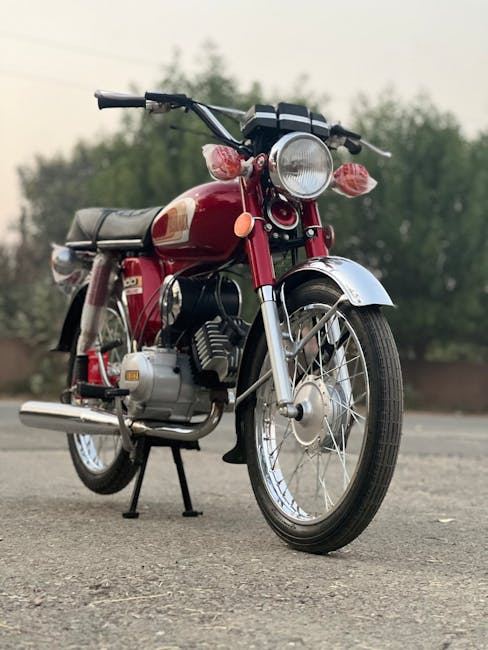
Motorcycle restoration isn't just fixing bikes; it's a deep dive into systems, history, and research that can turn into an unexpected education.
Getting started with motorcycle restoration as a beginner involves understanding the steps to bring a non-running or deteriorated bike back to its original glory.
You source a neglected machine, diagnose what's broken, and rebuild it mechanically and cosmetically.
Unlike general wrenching or customization, restoration prioritizes historical accuracy over personal taste, making authenticity the actual finish line.
Motorcycle restoration involves methodically disassembling vintage bikes, cleaning rust and grime, repairing key components, and reassembling them to restore functionality and aesthetics. Hobbyists assess the bike's condition, create a list of repairs, and execute tasks like replacing spark plugs or polishing chrome, often culminating in a test ride to confirm the successful restoration of the mo…
This hobby promotes a flow state through sequential tasks that require focus, offering immediate feedback on progress as hobbyists see tangible results like restored paint or functioning engines. The sense of accomplishment from transforming a neglected bike into a classic, combined with the social engagement found in forums and meets, fosters community and personal pride, effectively combating b…
You think restoring a motorcycle is about handing over some cash for a fixer-upper, swapping out a few parts, and following YouTube tutorials. Easy-peasy, right?
That's exactly why so many newbie projects gather dust half-finished, abandoned after the initial excitement wears off.
In Portland, someone took on a '78 Honda CX500 expecting a simple carb clean and new tires. Just eight months later, he'd rewired the whole harness, hunted down a seat from Germany, and even got familiar with an oscilloscope. Time flew, but he'd reassure you every minute was worth it.
So you're thinking about your starter bike. That's a question that weighs more heavily than you expect. Let's steer into that decision.
Watching a restoration channel can set expectations too high. The host knows their way around an engine, while you're fumbling with parts and YouTube tutorials.
Excitement fades when reality hits. A seized bolt here, a stripped thread there, and suddenly the carburetor is in six pieces. Where did all the parts come from?
In those first few weeks, time slips away as you figure out what parts you even have. Fixing one issue often reveals two more, keeping you on a never-ending scavenger hunt for solutions.
Your project will stall, but that's part of every successful build. It's easy to quit just before a breakthrough, thinking you've hit a wall.
Take detailed photos before disassembly. '70s and '80s motorcycles lack wiring standards, so memory isn't reliable. Next, we'll dive into newbie mistakes that make things trickier.
When to start: Morning
Duration: 1.5 hours
Cost to try: $20
Success criteria: If you finished without rushing any step, do session 2.
That rare European bike might seem like a find. But it's not exciting when you're waiting months for a Croatian carburetor.
Verify parts availability online before buying a model. Check for active forums and parts listings.
Beginners often try to muscle out stuck bolts, only to snap them.
Use penetrating oil and heat first. Let them soak for 24 hours and apply a torch, then remove.
Painting the tank is tempting, but pointless if the engine doesn't run.
Before any bodywork, ensure the engine turns freely. Remove plugs and add oil to check rotation by hand.
Generic diagrams lead to short circuits.
Use the correct factory service manual. Get one for your bike's year and model, often available as free PDFs on forums.
Guessing how tight bolts should be is risky. A loose head bolt can spell disaster at speed.
Consult the service manual for exact torque specs. Tighten crucial fasteners to spec, not by feel.
Most restoration magic happens in your own garage. But if space is tight, try a makerspace or community workshop. These spots offer lift bays and shared tools.
Some motorcycle shop owners also rent out bay time. You get professional equipment without the overhead.
Hit local bike nights and ask who's doing project builds. This one conversation beats any website for shop insights and workspace leads.
Walk in and mention your specific bike and problem. Skipping the beginner talk shows you're already serious, leading to genuine help and maybe borrowed tools.
Every part restored to factory-original specs. This is about creating a perfect artifact, not a running bike.
Ideal for collectors and competitive show entrants who value provenance over riding.
Budget for concours builds ranges from $20,000 to $50,000+ when including NOS parts and professional finishing.
Make it mechanically sound and decent-looking. Get it back on the road.
Best for beginners who seek usability without the concours obsession.
Start with a donor bike and transform it into a stripped, aggressive street machine.
Blend restoration with customization. Historically informed but not factory-faithful.
Perfect for those who want creative control and don't mind sacrificing originality.
The donor bike is an unknown quantity – seized engine, missing parts, decades of neglect.
Learn the most, fastest. Every system requires attention, planned or not.
Suited for those who learn by solving problems instead of following checklists.
Period-correct bikes rebuilt for competition in vintage racing classes.
Different from concours, bikes are used hard. Rules constrain the changes you can make.
Perfect for riders wanting a destination beyond the garage.
Do your research on sanctioning bodies – wrong modifications can disqualify you.
Another variant that pulls from the same roots is RC Model Crafting.
For something adjacent, see Shipbuilding.
Some of the same instincts show up in Clay Sculpture — worth a look if this clicked.
Reading a motorcycle's failure logic is the key skill that changes everything. Beginners often focus on acquiring parts and watching teardown videos. They substitute diagnosis with accumulation and end up stacking correct parts on incorrect assumptions.
When a bike won't start, it's about tracing symptoms backward. Follow the logical path: fuel, spark, and compression. Find the true issue, not just the most common online suggestion.
Get this right and every fix turns into a deliberate experiment. You'll avoid wasting $200 on parts that don't fix anything. Miss this and you'll restore the same bike twice. Aesthetically first, then again when you find that ignored electrical gremlin.
You'll soon see which bike issues are worth your time and which are rabbit holes for parts.
Commit to six sessions over a month—each lasting about an hour and a half. Aim for once or twice a week.
If you're thinking about the bike even when you're not in the garage, pay attention. Teardown videos at midnight, texting the old owner with questions—that's obsession, not just interest. Time to start gathering parts and move forward without doubt.
Finishing all the sessions but feeling indifferent isn't unusual. If the reality didn't excite you more than the idea, that's clear feedback. Consider giving it a temporary extension if you haven't hit a mechanical issue yet. Sometimes, tackling a real problem shifts everything.
Dreading another session is a strong signal. Not just tired or annoyed, but truly not wanting to be there. That's telling you something about the fit—ignore at your own risk or you'll end up surrounded by half-finished projects and wasted weekends. It's wise to return the bike and look for a hobby that genuinely pulls you in.
Walking past old bikes and feeling the urge to know more is a strong indicator. That curiosity toward rusty, neglected machines is a clear signal this might be your hobby.
For quicker fixes, see our roundup of things to do when you're bored.
Restoration costs vary widely depending on the bike's condition and your goals, typically ranging from $3,000–$15,000+ for a basic rebuild to $50,000+ for a full frame-off restoration. Labor is often the biggest expense; if you do the work yourself, you'll mainly pay for parts, tools, and materials. Starting with a realistic budget and prioritizing which systems to restore first helps manage costs.
A simple mechanical restoration can take 100–300 hours spread over a few months, while a complete frame-off restoration may require 500–2,000+ hours over 1–3 years. The timeline depends on the bike's condition, your experience level, and how much time you can dedicate weekly. Many hobbyists work weekends and evenings, so it's best to plan for a multi-month commitment.
Basic mechanical knowledge and a standard socket set, wrenches, screwdrivers, and gasket scraper will get you started, with specialized tools purchased as needed. YouTube tutorials and restoration manuals make learning hands-on—you don't need professional training to begin, though patience and attention to detail matter more than prior experience. As you progress, you'll invest in specialty tools like pullers, press equipment, and welding gear depending on your restoration scope.
Yes—many hobbyists start with no experience and learn by doing, using online resources, forums, and manuals as guides. Breaking the project into manageable systems (engine, electrics, brakes) makes it less overwhelming and lets you build confidence gradually. Joining a local motorcycle club or restoration community provides mentorship and support when you hit roadblocks.
A simple rebuild focuses on mechanical function—replacing worn gaskets, fluids, and worn parts to get the bike running again. A full restoration includes frame-off disassembly, repainting, re-chroming, and cosmetic restoration to return the bike to original (or show-quality) condition. Choose your approach based on budget, timeline, and whether you're restoring for personal use or resale value.
Specialized vendors like eBay Motors, dedicated restoration shops, and manufacturer archives stock original or reproduction parts for most vintage bikes. Online forums and local swap meets connect you with other enthusiasts who may have rare parts or know where to source them. OEM part numbers and the bike's year/model are essential for finding the right fit.