BoredomBusted — Find Your Next Favorite Thing To Do
Discover hobbies, activities, places, and ideas that spark joy. Whether you're looking for something creative, active, social, or relaxing, BoredomBusted helps you find your next favorite thing to do.
Browse our hobby guides, things-to-do collections, and place ideas to never be bored again.
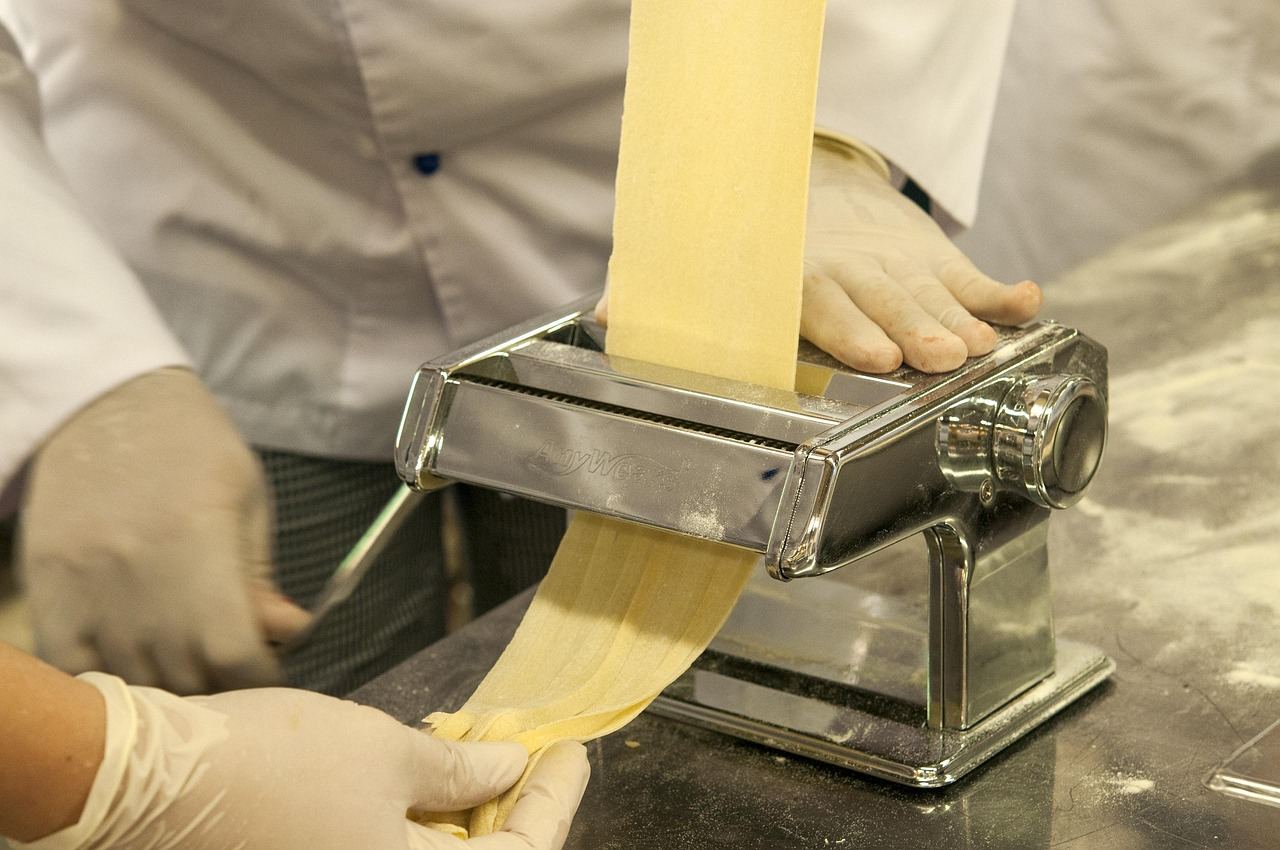
Pasta making isn't just about the final dish — it's a hands-on craft that beats boredom by creating instant sensory satisfaction with each step.
Learning pasta making as a beginner involves understanding the simple yet rewarding process of mixing flour and eggs into fresh dough before shaping it into your favorite forms.
Unlike cooking as a broad hobby, it's narrowly focused on dough craft – texture, hydration, and technique matter more than seasoning or heat.
In pasta making, you mix flour, eggs, and water to knead dough, roll it through a machine to create thin sheets, and shape these into various forms like tagliatelle or ravioli, using hands-on techniques that involve crimping, folding, and boiling to achieve perfect texture.
Pasta making induces a flow state through tactile skill feedback, where each action—like thinning dough or sealing pasta—provides immediate sensory gratification and a clear sense of accomplishment, thereby reducing feelings of boredom through engaging, low-stakes challenges.
You think pasta making is just mixing flour and eggs. Roll it flat, cut it up, boil it. The assumption is that the machine does the work and the recipe does the thinking – you're just there to supervise.
The truth is that pasta making is an art and a science.
Fresh pasta is a tactile skill – the dough tells you when it's ready, and learning to read that feeling is the whole game.
Hydration, gluten development, and resting time interact differently every time you make it, depending on your eggs, your flour, and your kitchen humidity that day.
The shapes aren't decorative – different pasta geometries hold sauce differently, and choosing the wrong one genuinely changes the dish.
Picture a batch of pappardelle made on a dry winter day versus one in August. Same recipe, same kitchen, same you. But they'll feel completely different under your hands. The real skill is adjusting without being thrown. That intuition only comes from practice and experience.
You're already wondering what equipment you actually need. The real answer is probably less than you think.
Watching someone effortlessly pull silky ribbons of tagliatelle is a trap for beginners. The reality is more flour clouds, sticky messes, and torn dough.
The romantic idea of dough-making vanishes quickly when your hands dive into a mix that's too wet or too dry, with pasta sheets ripping mid-roll.
Getting the dough right is a journey. It starts with sticky or crumbly disasters and questions about your flour choice.
By week two, the dough becomes manageable, but rolling it thin is nerve-wracking.
Week three brings some success with a decent sheet, leading to the realization that texture matters more than shape.
By the fourth week, muscle memory kicks in, and you're adjusting the dough without overthinking.
It's not personal failure when pasta falls apart—it's about learning gluten development, which comes from repeated practice.
For smooth, elastic dough, use "00" flour. All-purpose flour may seem close, but it tears more easily and is less forgiving.
When to start: Morning
Duration: 1 hour
Cost to try: $10
Success criteria: if you finished without fully forming your pasta shapes, do session 2.
Fresh pasta dough should feel tacky. Beginners often panic and add too much flour, making the dough dense and tough. Give it a full
10 minutes of kneading before adding any extra flour. The gluten will develop, and the stickiness will resolve itself.
It's tempting to use the dough immediately, but skipping the
30-minute rest leads to tears and snapping back. Wrap the dough tightly in cling film and let it sit. This rest makes it easier to roll thin sheets.
Rolling one portion while the rest is exposed leads to dry, cracked edges.
Work with one piece at a time and keep everything else covered to prevent drying out.
Cold eggs don't blend well into the flour. Room-temperature yolks emulsify better, improving texture.
Pull your eggs out 30 minutes before starting
Fresh pasta sticks quickly, especially if it's warm.
Toss cut pasta in semolina flour immediately and nest it loosely to prevent sticking.
Sur La Table and Williams Sonoma host pasta workshops regularly. Join one, and you'll find regulars who often form informal groups.
Your city might have a dedicated group. Check Facebook Groups for "pasta making [your city]." The names "pasta making" or "home pasta club" often reveal active communities.
Meetup.com is fantastic for real events. Use terms like "Italian cooking" or "fresh pasta" to find groups that encourage hands-on participation.
The International Pasta Organisation (IPO) can help. Reach out through pasta.org, and they'll connect you to instructors and events.
Mention your interest in learning dough hydration. This shows you've done some reading and might pair you with experienced participants.
Flour, eggs, roll, cut. This is how you begin. Most beginners should stick here for months before moving on to complex techniques.
Best for anyone who wants to learn the fundamentals without buying specialty ingredients.
You push dough through a die, creating shapes like rigatoni or spaghetti. The outcome is rougher, ideal for holding sauce. Machines start at $150 and get expensive quickly.
Best for people who've already made fresh pasta and want to go deeper.
Use semolina and water instead of all-purpose flour and eggs. It's tougher to work with, but the result is authentic to southern Italy.
Best for intermediate makers who want to practice traditional shaping techniques like orecchiette or cavatelli.
You're using fresh egg pasta and adding a filling, then sealing it. Errors here are unforgiving; bad seals mean filling lost to the water.
Best for people who've nailed basic cutting shapes and want a genuine challenge.
Made from rice flour, tapioca, and xanthan gum, it acts unlike wheat dough. Expect very different handling, as standard techniques don't apply.
Best for those cooking for dietary needs, not as a learning path for beginners.
A close neighbor worth considering: Home Cooking.
A close neighbor worth considering: Dessert Making.
Fermenting lives in the same world — different mechanics, similar appeal.
Mastering pasta means mastering dough hydration by touch. Beginners focus on ratios, thinking they'll solve tearing or gummy pasta.
The real issue is your hands.
Knowing when to add flour, knead more, or let your dough rest is crucial. No need for measurements—just your sense of touch.
Feel your dough and make decisions, not follow recipes. Ready to adapt to humidity and ingredient variations.
Otherwise, you remain dependent—recipes won't save you from sticky or crumbly dough.
Commit to four pasta sessions over 30 days, aiming for one each week.
If you're already planning your next batch before finishing the current one, that's the sign you've found something compelling. You don't need perfect results—just the urge to tweak and improve. Upgrade your experience by getting a second flour type and start tweaking the ratios.
If each session felt like an obligation, consider what that signals. It's not a lack of interest but perhaps a misalignment; the activity might be more craft than cooking for you. Give it another month only if you were rushing or ignoring rest times; otherwise, explore cooking hobbies that are less intensive on technique.
If you found excuses to skip sessions or it felt like cleanup wasn't worth the effort, take that as a clear indicator. The reality of flour everywhere and sticky surfaces won't change. If the mess already outweighed the enjoyment, pasta making isn't well-suited for you right now.
You're scrolling through pasta-making videos you didn't search for and find them captivating. That involuntary attraction is a reliable signal that pasta might be your thing.
Repetitive stress injuries in wrists or hands will make each session challenging. Kneading and shaping are unavoidable parts of the process; even using a machine won't eliminate the tactile work. If your schedule is tight, offering only 20-minute bursts, you'll find pasta making frustrating. Dough requires rest, with most recipes taking at least 90 minutes from start to finish.
For ideas that take five minutes instead of five weeks, see things to do when you're bored.
Fresh pasta typically takes 30–45 minutes from start to finish, including dough resting time. This can vary depending on the shape and thickness you're making—filled pastas like ravioli may take longer. Once you get comfortable with the process, you'll work faster.
You can begin with just a bowl, rolling pin, and fork, though a pasta machine (either hand-crank or electric) makes shaping and rolling much easier. A kitchen scale helps with consistency, and a pasta board or large work surface is helpful for drying finished shapes.
Pasta making is beginner-friendly—most people can make a basic dough on their first try. The main skills to develop are kneading technique and achieving the right dough consistency, but these improve quickly with practice and are very forgiving.
You can start for under $20 using kitchen tools you likely already have. A basic hand-crank pasta machine costs $30–50, and a home-use electric machine ranges from $100–300. Flour and eggs are inexpensive, making the hobby affordable to maintain.
Fresh pasta is made with soft wheat flour and eggs, cooks in 2–4 minutes, and has a tender, silky texture. Dry pasta is made with hard durum wheat, lasts months in storage, and takes 8–12 minutes to cook, making it better for everyday use.
Yes—egg-free pasta uses just flour and water, and is common in Southern Italy and for those with allergies or dietary restrictions. The dough requires slightly more water and technique to achieve the right texture, but it's absolutely doable for beginners.