BoredomBusted — Find Your Next Favorite Thing To Do
Discover hobbies, activities, places, and ideas that spark joy. Whether you're looking for something creative, active, social, or relaxing, BoredomBusted helps you find your next favorite thing to do.
Browse our hobby guides, things-to-do collections, and place ideas to never be bored again.
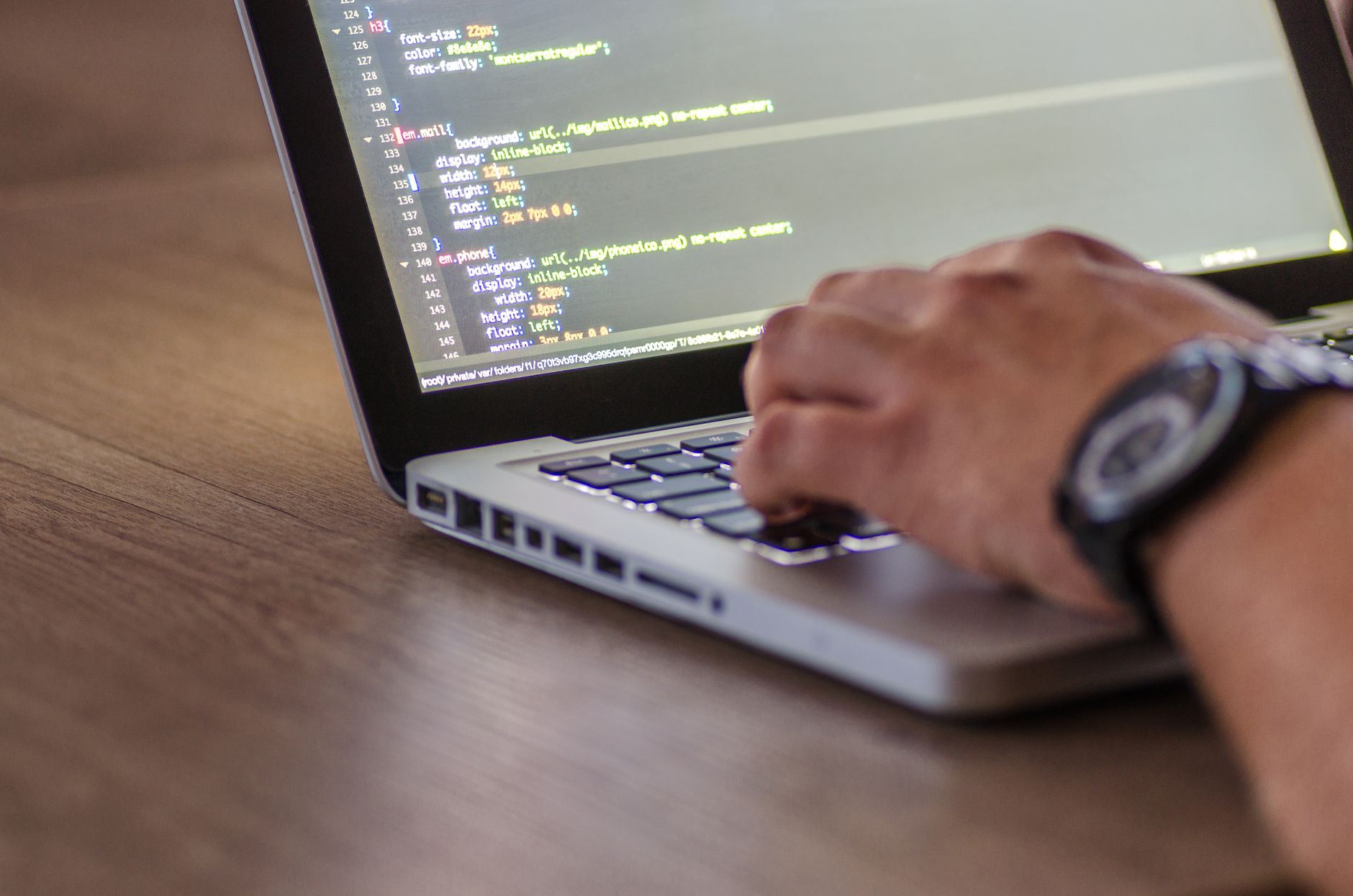
Programming cultivates immersion not just through challenges, but by offering instant gratification with each successful code run.
Getting started with programming as a beginner involves learning to write clear instructions that a computer can execute, combining syntax, logic, and structure to create functional software.
Unlike creative hobbies where effort is invisible, every line you write either works or it doesn't, which makes the feedback loop brutally honest and oddly addictive.
In programming, hobbyists engage in typing and editing code to create functional digital projects, running and debugging their scripts to test for errors, building and iterating on applications or games, and experimenting with new features or technologies using a personal computer.
Programming induces a flow state by balancing complex problem-solving with skill level, allowing for deep immersion where hobbyists lose track of time, while also providing immediate feedback through successful code execution, fostering a sense of accomplishment and creative expression.
You think programming is about memorizing syntax. Maybe you picture someone typing green text on a black screen, solving puzzles only math geniuses can crack. Hollywood magic aside, this isn't reality.
Computers need clarity, so programming forces you to think in complete thoughts. This skill seeps into every other part of your life. Most professional developers Google basic syntax constantly. The real job isn't memory but breaking problems into solvable pieces. You're not just learning a tool—you're building a medium to create anything for a screen.
Take Lena, a young teenager who wanted an app to text her mom when she ran late. She didn't rely on advanced coding knowledge. Instead, she recognized the problem she needed to solve and Googled her way through the rest.
She didn't memorize a language.
Her drive to create something new was all she needed. This mindset shift is crucial as we dive deeper into coding.
Watching someone code on YouTube looks effortless. They type, magic happens. It just works.
Your own first session won't. Slower, quieter, more confusing. Expect it.
That gap between watching and doing is where most close the tab. You start confident. Syntax seems clear. "I get this" becomes humbled. Syntax warps, and error messages are your real lessons.
Week one, you'll mostly read errors instead of writing code. Embrace it – that's learning.
Week two, something small works but feels mysterious. This is unsettling yet normal.
Week three, you'll copy from Stack Overflow. Not fraud, just smart practice shared by developers everywhere.
Week four, a problem that stumped you now gets solved without a browser check.
Feeling stuck and frustrated is part of this.
Programming challenges your brain to form new logic patterns. Friction means growth.
Before you begin, recognize this: Error messages reveal clues, not failures. Read them top to bottom. Don't just jump to the last line.
When to start: Early morning
Duration: 1 hour
Cost to try: $0
Success criteria: if you finished without errors in running your code, do session 2.
Online forums buzz with opinions, leading new coders astray because they grab onto popular languages without considering their goals.
Pick Python for quick results. Choose JavaScript for web projects. Focus on the endgame, not what's trending.
Sitting through endless tutorials feels productive. But simply watching doesn't translate to real skills.
After finishing a tutorial, close it. Attempt to rebuild the project independently to truly learn.
There's a bigger leap from basic coding to full app development than it seems. Many beginners face frustration when ambitious projects stall.
Start small. Try a simple script like a tip calculator that you can finish swiftly.
Quick fixes are tempting. Stack Overflow provides answers but you miss out on learning the root cause of issues.
First, analyze the error message. Form a theory, then search to confirm it.
Knowing syntax details feels like progress until logical problem-solving appears and you're lost.
Practice challenges on Exercism or Codewars. They're tools for logical thinking, where the real learning happens.
Programming happens anywhere there's a laptop and internet. Your home, a library, or a coworking space all work.
IEEE or ACM chapters offer workshops and networking events. These lack a national governing body but are great local resources.
When you attend, mention you're starting out and see what people recommend. Vets love guiding beginners—they remember being there.
Create what lives in a browser – websites, apps, digital tools. Ideal for those eager to share their work with others quickly. Beginners love it for its instant feedback: tweak something in your code, and your page updates right before your eyes.
Dive into programming to discover patterns and predictions with data science and machine learning. Perfect for analytical thinkers ready to dig through large datasets. Bring math skills – or circle back when algebra is less intimidating.
Create interactive experiences. It combines programming, design, physics, and audio – a challenging stack most beginners underestimate. Perfect for those absorbed by games, willing to tackle slow progress early on.
Free tools like Unity are available; costs apply if you publish.
Program physical devices – microcontrollers, robots, sensors. For those who prefer tangible creations over screen time. Expect less coding and more hands-on work with tools like soldering irons.
Starter kits like Arduino cost around $30–$50.
Scripting and automation may not be glamorous, but it's the quickest way to make an impact as a beginner. Write small programs to automate repetitive tasks and boost efficiency without dedicating yourself to a full-blown software project.
Start here or with web development. A perfect beginning if you want to ensure your time is well spent.
Gunsmithing lives in the same world — different mechanics, similar appeal.
A close neighbor worth considering: AI Model Tinkering.
Many newcomers focus on syntax, memorizing methods and copying patterns. But that's not what makes a difference.
The real skill is learning to see error messages as valuable information.
Develop diagnostic thinking to analyze a faulty program. Form a clear hypothesis about its failure without altering anything.
Think beyond 'the loop is incorrect.' Instead, suspect 'the variable might be undefined because of its assignment inside a non-running conditional.'
Bugs turn into puzzles with real solutions when you diagnose them properly. Instead of guessing, you eliminate false paths.
Without diagnostic skills, every mistake feels like starting from zero. This is what often causes beginners to give up within months.
Commit to 12 sessions over 30 days, aiming for about three times a week with each lasting 45–60 minutes. Keep this pace to maintain the mental thread of learning.
If you find yourself eager to dive back into code—caught up with a bug, a feature idea, or a problem that sneaks into your thoughts—you're hooked. The next step: choose a small project that's a bit beyond your current skills and dive in.
If each session left you indifferent, that's a clue. While programming can take time to click, if nothing about it drew you back, extending the trial likely won't change much.
If turning on your laptop felt like a task you avoided, don't force it. Disliking the solitary nature and precision of coding isn't a failure—it's just a mismatch.
You're on the right track if the mechanics of tech fascinate you. Wondering why a site loads slowly or how an app prioritizes content are signs of real interest and often appear before you realize it.
Long screen hours causing eye strain or other physical issues mean programming could exacerbate them. The endless ambiguity isn't for everyone. Early stages are filled with "Why isn't this working?" moments, without clear answers or guidance.
If needing quick feedback keeps you engaged, programming might be a struggle. Progress can be slow, with weeks before visible results.
If nothing here clicks, our guide to what to do when bored covers shorter, lower-commitment options.
Most people can learn programming basics in 3–6 months with consistent practice, but becoming proficient takes 1–2 years. The timeline depends on how much time you invest daily and which programming language you start with.
Python is ideal for beginners because it reads like plain English and has a gentle learning curve. JavaScript is another great option if you're interested in web development, while Java is better if you want to pursue enterprise-level careers.
No, many successful programmers are self-taught or learned through bootcamps and online courses. What matters most is consistent practice, portfolio projects, and problem-solving skills you can demonstrate to employers.
Getting started is free—you only need a computer and access to free tools like VS Code, Python, or freeCodeCamp. Paid courses ($20–$500) can accelerate learning, but quality free resources are readily available online.
Not at all—most programming doesn't require advanced math skills. You need logical thinking and problem-solving ability, which you can develop through practice regardless of your math background.
Beginners typically start with simple projects like calculators, to-do list apps, and games, then progress to web pages, data analysis tools, and mobile apps. Building real projects is how you solidify concepts and create a portfolio.