BoredomBusted — Find Your Next Favorite Thing To Do
Discover hobbies, activities, places, and ideas that spark joy. Whether you're looking for something creative, active, social, or relaxing, BoredomBusted helps you find your next favorite thing to do.
Browse our hobby guides, things-to-do collections, and place ideas to never be bored again.
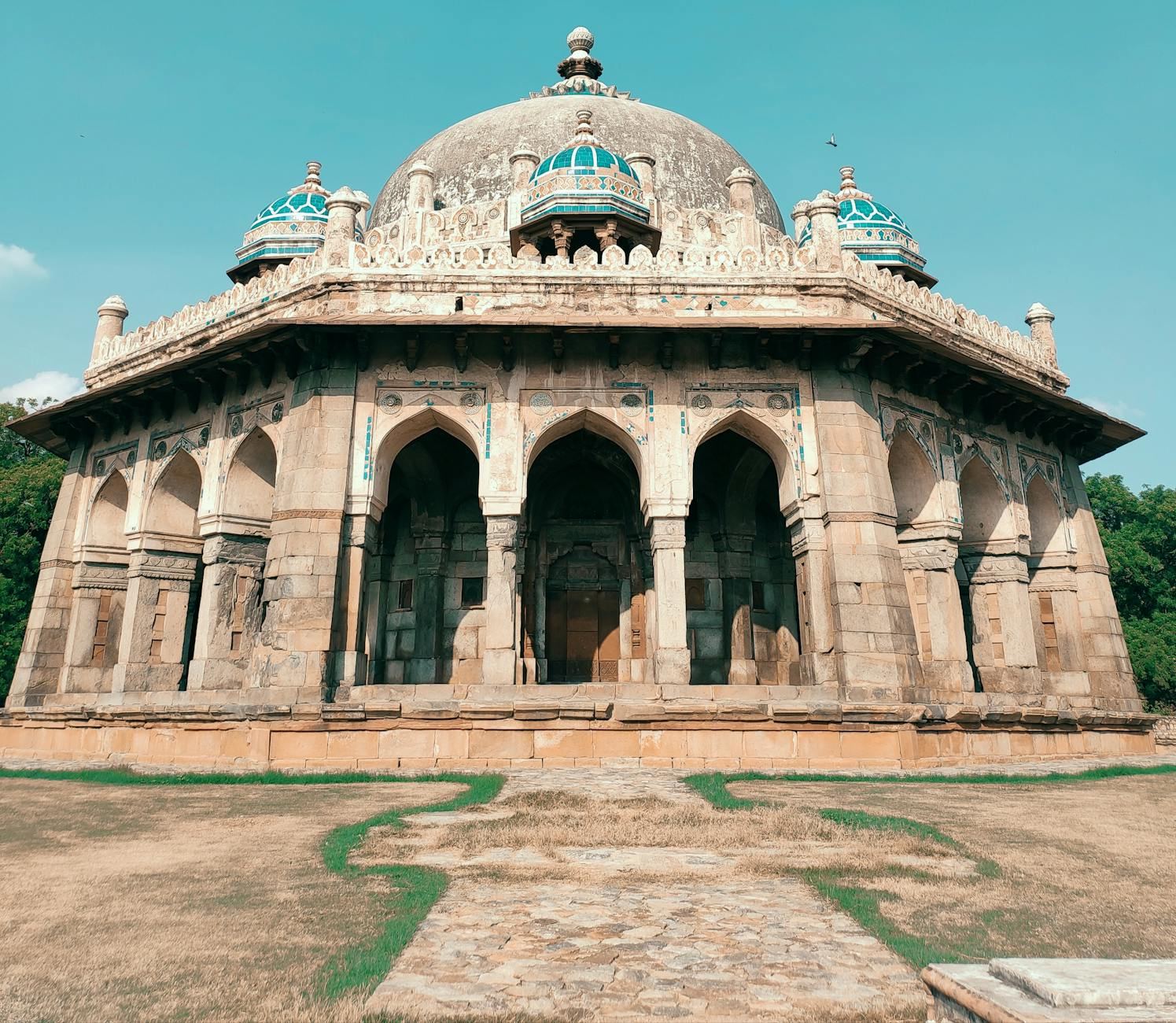
Historical sites and monuments offer a journey through time, revealing tales of past civilizations and significant events. Ideal for history buffs and curious minds alike.
Historical sites and monuments are where the past stops being abstract. You're standing on ground where something actually happened — a battle, a civilization, a turning point. That's a different feeling from reading about it.
The range is wide. Ancient ruins, preserved architecture, battlefields, towering monuments. Many carry UNESCO recognition — meaning the world has agreed they're too important to lose. Artifacts, structures, and on-site displays do the storytelling, often better than any book.
These places hold the evidence of how people built, fought, and adapted across centuries. That context — cultural, architectural, technological — is what turns a slow afternoon into something that actually sticks with you.
Historical sites reward the prepared visitor. A few small adjustments can be the difference between a rushed visit and one you actually remember.
This place earns its visit depending on what you bring to it.
Standing inside a historical site has a way of making the past feel personal. Genealogy hits different when you're physically walking through the culture your ancestors lived in — the architecture, the layout, the scale of it all gives context that no ancestry website can replicate.
Historical sites are also a natural training ground for architectural and documentary photography — the kind where light, texture, and decay tell a story. Every carved detail and weathered surface rewards a photographer who slows down and looks closely.
Scrolling gives you nothing to stand in front of. A historical site gives you something that actually happened — right here, on this ground. That physical connection to a real event is what separates this from any other way to kill an afternoon.
You don't need a detailed plan to get something out of it. Show up curious and the place does the work. Most people leave knowing something they didn't when they arrived — which is a better return than most days offer.
The change of environment matters more than it sounds. Getting out of your usual surroundings resets your focus in a way that's hard to manufacture elsewhere. Historical sites do that with an extra layer — you're not just outside, you're somewhere that meant something.
A first visit to a historical site or monument is an opportunity to dive into the narrative of history itself. Begin by setting the tone with some background reading; understanding the significance of the location beforehand can greatly enhance what you take away from the experience. This will give you a deeper appreciation of the stories told by the structures, relics, or monuments you might encounter.
Upon arrival, take your time exploring. It's often the minute details that tell the most captivating stories, whether it's an inscription on a stone or the unique architecture of an ancient building. Consider joining a guided tour if available; local guides often share insights and stories you won’t find elsewhere.
Don't forget to visit any on-site museums or visitor centers. These facilities usually house collections or exhibits that can provide additional context and artifacts related to the site. Also, make sure to check out any walking trails or observation points that may offer panoramic views of the area, providing a broader perspective of the surrounding region.
Finally, respect the site’s rules and guidelines. Many historical sites require conservation efforts, so be mindful of where you walk and what you touch. At the end of the day, spend a moment reflecting on what you've learned and how the visit has enriched your understanding of history.
Best time to visit: Mid-morning to early afternoon
Visitors are often impressed by the depth of history and well-preserved aspects of sites.
Some sites can be crowded or have limited accessibility options.
While not always necessary, booking in advance can secure your entry during peak visitor times or special events.
It varies per site. It's best to check ahead for accessibility options such as ramps or available assistance.
Photography is generally allowed, but restrictions may apply in certain areas or exhibits.
While many sites offer guided tours, some smaller venues might require you to book them in advance.
Yes — a Historical Site & Monument is one of the best options when boredom strikes. It gets you out of the house, offers plenty to do, and is accessible for most budgets. Whether you're solo, with a partner, or bringing the whole group, there's something to engage with.
When you're bored at a Historical Site & Monument, the key is to try something you haven't done before. Explore the less-crowded areas, challenge a friend, or use the visit to disconnect from screens and engage with your surroundings. Check the activities section above for specific ideas.