BoredomBusted — Find Your Next Favorite Thing To Do
Discover hobbies, activities, places, and ideas that spark joy. Whether you're looking for something creative, active, social, or relaxing, BoredomBusted helps you find your next favorite thing to do.
Browse our hobby guides, things-to-do collections, and place ideas to never be bored again.
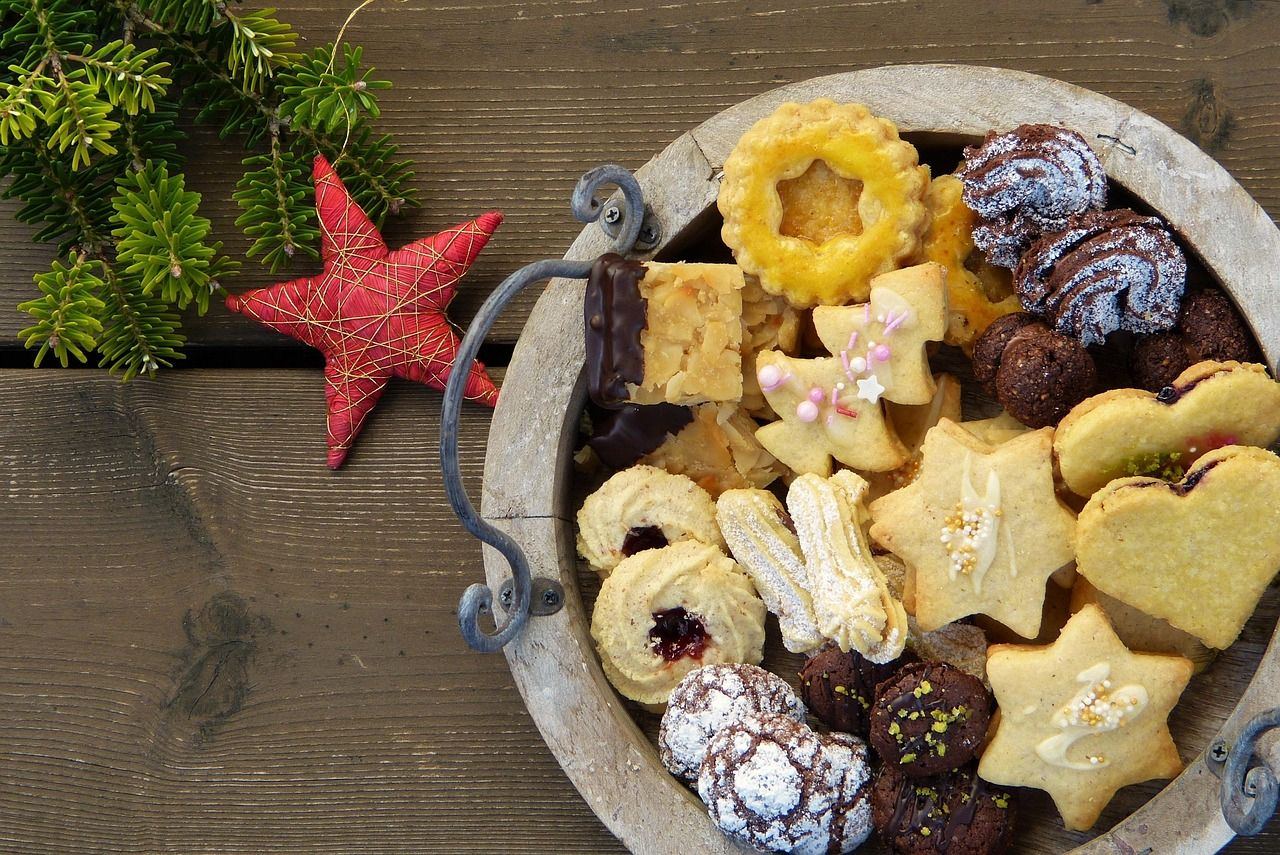
Baking isn’t just for professionals; many quick recipes can be mastered in under an hour using basic ingredients, making it surprisingly accessible.
Learning baking as a beginner opens up a world of creativity, allowing you to transform simple ingredients like flour, sugar, and eggs into delicious bread, cakes, and pastries — but the real pull is what happens when you stop following instructions exactly. Recipes are just a starting point.
Swap one ingredient, change a temperature, rest your dough longer — and you get something nobody else made. That gap between the recipe and your instincts is where baking actually gets interesting.
In baking, you engage in a hands-on process that includes measuring ingredients precisely, mixing and kneading dough, rolling out pastry, and decorating finished items, often planning intricate projects that span several days.
Baking fosters a flow state through its sequential tasks that require focus, while also providing incremental skill feedback through visible results, enhancing social belonging via shared baked goods and online communities, and offering creative expression through themed projects.
You think baking is all about long hours and perfect skills.
But
you control how simple or complex it gets. Sarah was a complete novice who started with easy cookie recipes. Less than an hour, no fancy ingredients, just immediate satisfaction.
Start small.
Grab some flour, sugar, and one simple idea.
See where it leads.
Baking isn't about perfection; it's about the joy of creating.
Next, discover how your kitchen can become your creative haven.
Your first session will smell better than it goes. The oven warmth, the vanilla, the browned butter — that part is real. But your hands won't cooperate the way you expect. Measuring feels fussier than cooking ever did, and you'll second-guess yourself halfway through whether a tablespoon means level or heaped. The batter might look nothing like the photo. That's not a warning sign — that's just the first session.
The thing most beginners don't expect is how much waiting is involved. You mix for ten minutes, then you wait. You shape the dough, then you wait again. Baking runs on its own schedule, not yours, and fighting that timeline is where most first attempts go wrong. Pulled too early, rushed through proofing, opened the oven door out of curiosity — the results punish impatience fast.
The feedback loop is brutally honest. A cake that sinks in the middle tells you something specific. Cookies that spread flat into one giant sheet are pointing at a real mistake. That visible result — good or bad — is actually the fastest way to learn, because you can trace it back to one decision you made. Most hobbies don't give you that kind of direct evidence so quickly.
By your third or fourth attempt, the steps start feeling less like a checklist and more like a rhythm. You stop reading each line twice before doing it. The mess still happens — flour on the counter, sticky dough on your knuckles — but you stop fighting the process and start working inside it. That shift is small, and it happens before you notice. The next section is about what slows that shift down.
When to start: Morning
Duration: 1 hour
Cost to try: $10
Success criteria: if you finished without burning anything, do session 2.
Baking is chemistry. A pinch more flour or a splash less liquid genuinely changes the result. Beginners often assume the forgiving instincts that work in cooking apply here — they don't.
Use a digital scale for every recipe until measuring becomes second nature. Volume measurements like cups vary depending on how you scoop. Weight doesn't. A $10 kitchen scale removes the single biggest variable most beginners never suspect.
Most home ovens run hot or cold by 15–25°F. You set 350°F, but the oven delivers 375°F — and your cookies come out darker than intended. This catches almost every beginner off guard.
Buy an oven thermometer and check your actual temperature before you blame the recipe. They cost next to nothing. Once you know your oven's real behavior, you stop second-guessing every bake.
A towering layered cake or a laminated croissant looks incredible online. It also has fifteen steps, precise temperature windows, and techniques that take months to feel natural. Beginners pick these projects and quit after one failure.
Pick recipes with five ingredients or fewer for your first month. Shortbread, banana bread, simple muffins — they teach you the fundamentals without punishing every small error. Confidence comes from finishing things, not from attempting the hardest thing first.
It's tempting to check on something as soon as it starts smelling good. But opening the oven door drops the temperature sharply — and cakes that were just starting to set collapse flat.
Set a timer for the minimum bake time and don't open the door until it goes off. Use the oven light instead. It sounds obvious, but breaking this habit early saves dozens of failed bakes.
Most beginners follow recipes without understanding what each step actually does. So when something goes wrong — and something always goes wrong — they have no idea where it broke down.
Look up the purpose of one unfamiliar step every time you bake. Why cream the butter and sugar together first? Why rest the dough? Small answers add up fast. Within a few weeks, you stop following blindly and start making smart adjustments — which is exactly where baking gets genuinely fun.
Start with r/Baking and r/Breadit on Reddit. Both communities are enormous, active, and genuinely helpful to beginners. Post a photo of your first loaf and you'll get real feedback within hours.
For in-person connection, look for classes at local culinary schools, community colleges, and kitchenware shops like Williams Sonoma or Sur La Table — both run regular hands-on baking workshops. Farmers markets often have amateur baking competitions attached to them, which are a surprisingly easy way to meet serious home bakers in your area.
Instagram and TikTok have massive baking communities built around hashtags like #BreadBaking, #CakesOfInstagram, and #SourdoughStarter. They're less about discussion and more about visual inspiration — useful when you need ideas, less useful when you have questions.
The King Arthur Baking community at kingarthurbaking.com/community is the most underrated option online. It's a forum full of experienced bakers who answer technical questions that Reddit glosses over. If you're troubleshooting a dense crumb or a collapsed cake, that's where you go.
Everyday baking — cookies, quick breads, brownies — is where most people start. The projects are short, the ingredients are cheap, and the feedback is immediate.
This is the version for people who want results the same day they start. No special equipment, no overnight resting, no piping bags required.
Bread baking is slow and tactile. You're mixing, kneading, and waiting — then doing it again. The dough changes under your hands in ways that take time to understand.
It suits people who find the repetitive, physical rhythm of a craft genuinely relaxing. Sourdough in particular rewards patience over speed.
Cake decorating — buttercream, fondant, tiered builds — is its own discipline. The baking part is almost secondary. The real work is in the finish.
This path is for anyone who gets more satisfaction from how something looks than how long it took to bake. It pulls more from visual art than from cooking instincts.
Pastry — croissants, choux, puff pastry, tarts — demands precision. Temperature, technique, and timing all interact. Small changes produce very different results.
It's well-suited to people who want to understand the mechanics, not just follow steps. The learning curve is steeper, but so is the payoff when it works.
Celebration baking — birthdays, holidays, themed projects — is about the occasion more than the technique. You're choosing a project because someone else will love receiving it.
This works best for people who are motivated by the reaction, not the process itself. The social side of baking — the sharing, the surprise — is the whole reason to do it.
If the texture of this appeals to you, Mead Making is built on similar bones.
Home Brewing is a sibling pursuit and often surfaces the same kind of curiosity.
Another variant that pulls from the same roots is Coffee Roasting.
The skill that separates bakers who keep improving from those who stall is learning to read your dough instead of just reading your recipe.
Every recipe gives you measurements, timings, and temperatures. What it can't give you is the feel of dough that's properly hydrated versus dough that's too dry. It can't tell you that your kitchen runs cold, so your bread needs twenty extra minutes to proof. Those things only reveal themselves when you're actually paying attention — not to the page, but to what's in front of you.
Two bakers follow the same recipe exactly. One gets a perfect loaf. The other gets a dense, gummy brick. The difference isn't the recipe — it's that one of them noticed something was off mid-process and adjusted, while the other just kept following steps.
That adjustment instinct is a physical skill. It builds through repetition — the same way you eventually stop measuring pasta by the handful and just know. Every batch you bake, even a failed one, trains your eyes, hands, and nose to catch signals earlier.
This is also why baking rewards curiosity over caution. The bakers who plateau are the ones who stick rigidly to recipes because they're afraid to ruin a batch. The ones who improve are the ones who ask "what happens if I change this?" — and then actually try it. That mindset is the whole game.
Once you start baking with your senses rather than just your timer, you'll also need a space that supports that kind of attention. Next, we'll look at how to set up your kitchen so it works with you — not against you.
Bake four times over the next month — roughly once a week, one simple recipe each session. That's enough real data to know where you actually stand.
You pulled the tray out of the oven and your brain was already somewhere else — a different flavor, a different shape, what happens if you add something. That forward pull is the real signal. Move past single recipes and start building a small repertoire — one bread, one cookie, one pastry. Then start adjusting them.
Indifference after four sessions usually means the format wasn't right — not the hobby itself. Switch the context before you walk away. Try baking with someone else, or pick a recipe tied to something specific — a birthday, a dinner, a craving you've had for weeks. Purpose changes the experience more than people expect.
If the measuring, the waiting, the cleanup — all of it felt like friction rather than process, baking is probably asking for patience you'd rather spend elsewhere. That's useful information. Cooking over open heat moves faster and punishes less — it might give you the same creative satisfaction without the same demand for precision.
If you caught yourself mid-week — not baking, not planning to bake — scrolling through a recipe and quietly bookmarking it for no reason, that's the hobby already taking hold. Unprompted curiosity is the only signal that actually matters.
If baking feels like too much to commit to right now, browse what to do when you're bored for lower-stakes ideas.
You can start baking with as little as $20–$50 for basic tools like measuring cups, a mixing bowl, and a wooden spoon, plus ingredients you likely already have at home. Most recipes use common pantry staples like flour, sugar, and eggs. As you progress, you may invest in specialty equipment like stand mixers or silicone molds, but these are optional and can be acquired gradually.
Essential starter items include measuring cups and spoons, mixing bowls, a whisk or fork, a baking sheet, an oven thermometer, and parchment paper. You don't need expensive gadgets—most home bakers start with just these basics and add items like a rolling pin or piping bag once they've developed their skills.
You can master basic baking techniques like cookies and simple cakes within 2–4 weeks of regular practice. More complex skills like working with yeast doughs or decorating take a few months of consistent baking. The learning curve depends on how often you bake, but most beginners see noticeable improvement after 5–10 baking sessions.
Baking is beginner-friendly if you follow recipes carefully, as it's more precise than cooking but still forgiving when learning. Starting with simple recipes like brownies, cookies, or muffins helps you build confidence before attempting more complex projects. Most people find their first batch successful, which makes baking an encouraging hobby to pick up.
Baking uses precise measurements and chemistry (flour, leavening agents, and heat) to create structured foods like bread and cakes, while cooking is more flexible and forgiving with seasoning and technique. Baking requires following recipes closely, whereas cooking allows for improvisation. Both are rewarding, but baking offers a more predictable learning path for beginners.
Baking once or twice a week is ideal for steady progress and building muscle memory without overwhelming yourself. Even baking once every two weeks will show improvement over time, though consistency matters more than frequency. Regular practice helps you understand how ingredients behave and develop troubleshooting intuition.